Indonesia denies foreign claim to rescued orangutans
 Turkey hosts COP31 climate talks in Antalya.
 Pope meets Argentine bishops.
 APOD: 2026 November 8 – Major Fireball Meteor
 Indonesian Horror Hit ‘Pabrik Gula’ Gets 2028 Sequel as MD Entertainment Lines Up Three Imax Films
How to clean wooden utensils and avoid getting splinters in your food
**
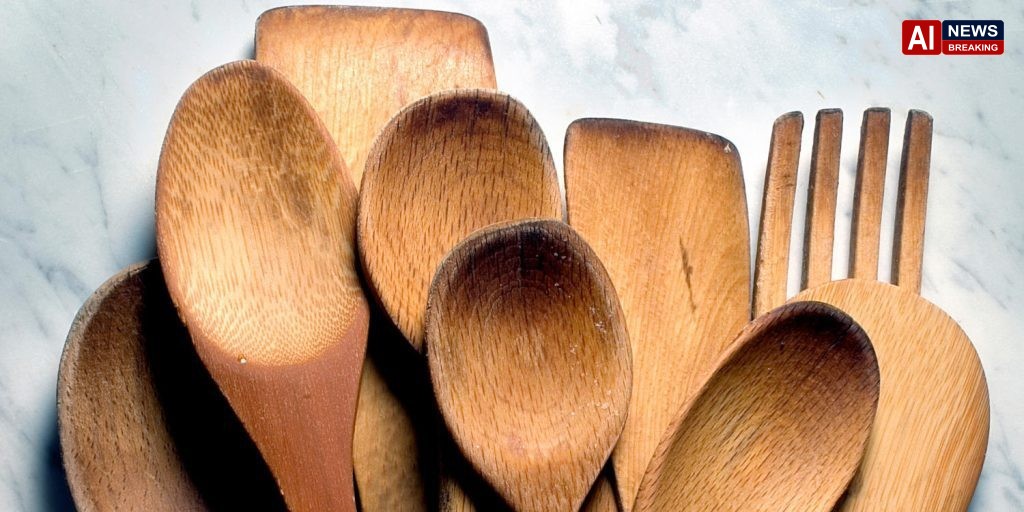
How to clean wooden utensils and avoid getting splinters in your food - AI News Breaking
clean wooden utensils avoid:
Wooden kitchen tools such as spoons, spatulas and salad tongs have been a staple of home cooking for centuries, valued for their gentle handling of non‑stick surfaces and their natural aesthetic. Yet, the very qualities that make them desirable – porosity, softness and the ability to absorb flavours – also render them vulnerable to staining, odour retention and, if neglected, the development of splinters that can find their way into food. Proper care, therefore, is not merely a matter of hygiene but also of safety and longevity..
This guide outlines the most effective methods for cleaning stained or aged wooden utensils, restoring their appearance and preventing the risk of splintering, while respecting the material’s natural properties.The first step in any cleaning regimen is to assess the condition of the wood. Light surface stains, often caused by turmeric, beetroot or coffee, typically indicate that the colour has penetrated only the outer fibres. Deeper discoloration, a sour smell or a gritty texture, on the other hand, may signal that the wood has begun to break down..
In such cases, a more intensive approach is required before the utensil can be returned to regular use. Regardless of the severity, the cleaning process should begin with a gentle rinse in warm water to remove loose food particles. Unlike metal or plastic, wood should never be subjected to prolonged immersion; the cellular structure can swell, leading to cracks once the utensil dries.For routine cleaning after each use, a mild, neutral‑pH dish soap diluted in warm water is sufficient..
A soft sponge or a non‑abrasive cloth should be used to wipe the surface, moving with the grain of the wood rather than across it. This respects the natural alignment of the fibres and reduces the chance of micro‑scratches that can later develop into splinters. Rinse quickly under running water, ensuring that no soap residue remains, and then pat dry with a clean towel..
The utensil must be stood upright or placed on a rack to air‑dry completely, allowing any remaining moisture to evaporate from the surface rather than becoming trapped inside the wood.When dealing with stubborn stains, a natural, food‑safe abrasive can be employed. Baking soda mixed with a few drops of water forms a paste that, when applied with a soft brush, lifts pigments without harsh chemicals. The paste should be worked into the grain in gentle circular motions, then left to sit for a minute before being rinsed off..
For deeper, oil‑based stains such as those from garlic or onions, a solution of one part white vinegar to four parts water can be used. Vinegar’s mild acidity helps break down lingering oils, but it must be rinsed thoroughly to avoid leaving an acidic residue that could affect the wood’s pH balance over time.Wood that has become rough or begins to splinter can be rejuvenated by light sanding. Using a fine‑grit sandpaper (220‑to‑320 grit), the utensil should be sanded along the grain, applying even pressure to smooth the surface without removing excessive material..
After sanding, the utensil must be wiped with a slightly damp cloth to remove dust, then allowed to dry. This step not only eliminates existing splinters but also prepares the wood for a conditioning treatment that will restore moisture balance and protect against future damage.Conditioning is a crucial, often overlooked stage in wooden utensil maintenance. Food‑grade mineral oil, raw linseed oil or specially formulated wooden kitchen oil provide a barrier that repels water and reduces the wood’s tendency to swell..
The chosen oil should be poured onto a clean cloth and worked into the utensil in thin, even coats, again following the grain. Excess oil should be wiped away after a few minutes, and the utensil left to absorb the oil for several hours or overnight. Periodic re‑application—approximately once a month for frequently used items—keeps the wood supple and minimizes the formation of cracks where splinters can develop.For particularly old or heavily discoloured pieces, a deeper restorative method involves a two‑step treatment..
First, the utensil is soaked briefly—no more than five minutes—in a solution of equal parts water and hydrogen peroxide (3 % concentration). The peroxide acts as a mild bleach, lifting embedded pigments while also possessing antimicrobial properties. Following the soak, the utensil is rinsed, dried and immediately conditioned as described above..
This process should be used sparingly, as excessive bleaching can weaken the wood fibres.In addition to cleaning, proper storage practices play a vital role in preventing splinter formation. Wooden utensils should be kept in a dry environment, away from direct sunlight and heat sources that can cause the wood to dry out and become brittle. Hanging them by their handles or storing them in a utensil drawer with a breathable cloth barrier helps maintain airflow, reducing the risk of moisture buildup that could encourage mould growth..
Metal or plastic holders that clamp tightly can create pressure points, leading to localized cracking.While the above methods are suitable for most common kitchen woods such as maple, beech and walnut, certain exotic or highly porous varieties may require specialised care. For instance, bamboo, which is technically a grass, benefits from more frequent oiling due to its tendency to dry out quickly. Similarly, hardwoods with a pronounced grain pattern may show visible oil streaks after conditioning; in such cases, a light rub with a clean, dry cloth can even out the finish..
When in doubt, manufacturers’ guidelines should be consulted, especially for utensils that carry a warranty or are marketed as “hand‑crafted” with unique finishes.Ultimately, the goal of cleaning wooden kitchen tools is to preserve their functional integrity while respecting their natural composition. By employing gentle, food‑safe agents, avoiding prolonged exposure to water, sanding only when necessary and maintaining a regular conditioning schedule, cooks can keep their spoons, spatulas and tongs both aesthetically pleasing and safe for daily use. Proper care not only prevents unsightly splinters from contaminating meals but also extends the life of these timeless implements, allowing them to serve generations of home chefs without the need for replacement..
Updated: October 26, 2026
Wooden kitchen utensils stay safe and long‑lasting when they’re cleaned gently with mild soap, rinsed promptly, and conditioned with food‑grade oil. Regular drying, light sanding for splinters, and proper storage in a dry, breathable environment keep the tools free of stains, odor, and cracking.