Indonesia denies foreign claim to rescued orangutans
 Turkey hosts COP31 climate talks in Antalya.
 Pope meets Argentine bishops.
 APOD: 2026 November 8 – Major Fireball Meteor
 Indonesian Horror Hit ‘Pabrik Gula’ Gets 2028 Sequel as MD Entertainment Lines Up Three Imax Films
Israel elections 2026: What happens if no party can secure a 61-seat Knesset majority Top scenarios explained
**
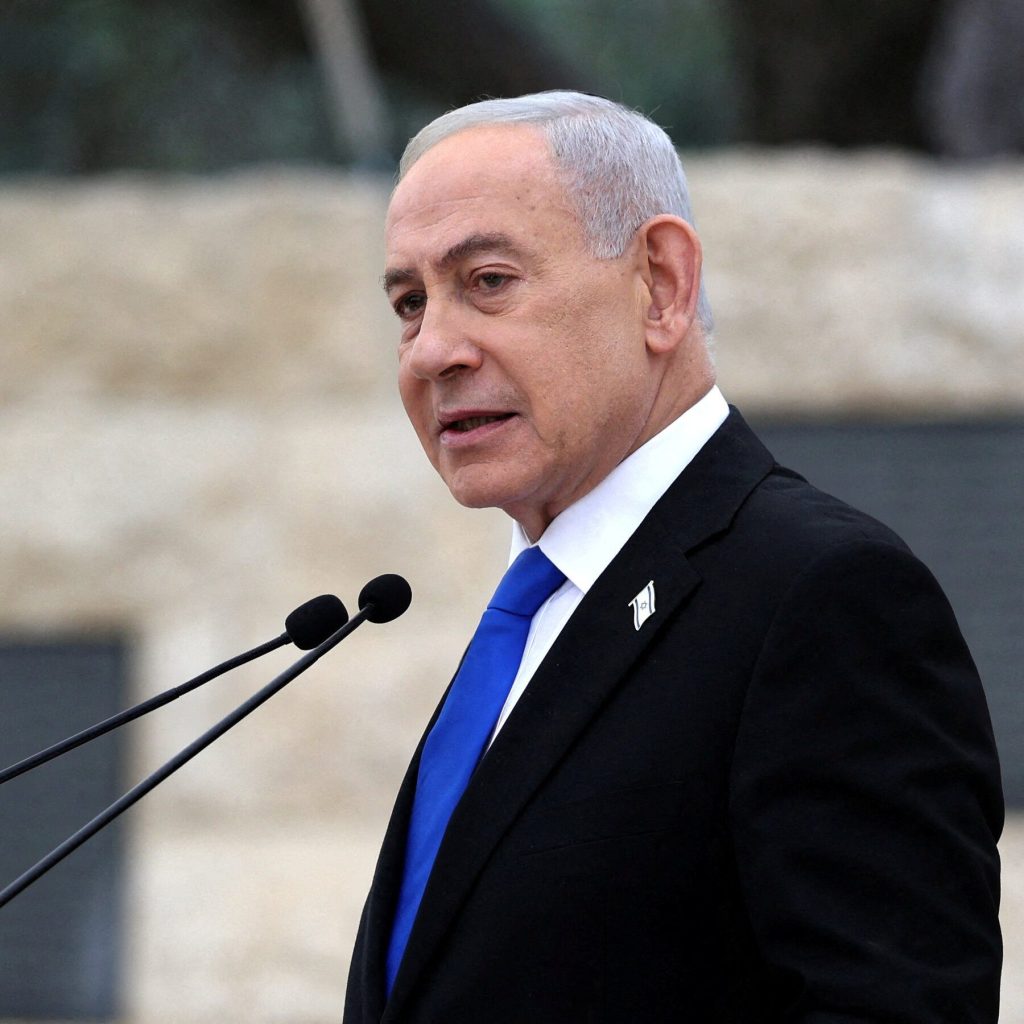
israel elections 2026 what:
Israel’s political landscape is poised for another test of its parliamentary system as voters head to the polls for the 2026 Knesset election. The outcome will determine whether one of the country’s many parties can command a clear majority of 61 seats, or whether the fragmented result will force political actors into a series of negotiations that could reshape the balance of power in Jerusalem. While the electorate’s preferences remain uncertain, the mechanics of forming a government in the absence of an outright majority are well‑defined by precedent, law and the strategic calculations of the parties involved..
This article outlines the most likely scenarios that could emerge if no single bloc reaches the 61‑seat threshold, and what each would mean for Israel’s domestic agenda and its foreign policy posture.The first and most straightforward option is that two or more parties reach a post‑election coalition agreement that together command at least 61 seats. Israeli politics has long been characterized by coalition building, with parties ranging from secular right‑wing blocs to religious, Arab and centrist formations. In a typical scenario, the party that wins the most seats – often Likud, the centrist Yesh Atid or a new political formation – would be invited by the president to form a government..
Negotiations would then focus on the distribution of ministerial portfolios, policy compromises and the inclusion of smaller parties whose support is essential for achieving the majority. Historically, these talks have taken weeks, sometimes months, and have involved detailed agreements on issues such as the budget, judicial reforms, settlement policy and the status of the Arab minority. If successful, the resulting coalition would provide the stability needed to pass legislation and avoid the costly cycle of repeated elections that has plagued Israel since 2019.A second, increasingly common, possibility is the formation of a “national unity” or “grand coalition” government that brings together the two largest blocs, regardless of ideological differences..
Such arrangements have been used in past crises, most notably after the 2020 coronavirus pandemic, when Likud and the Blue and White alliance combined forces to address a national emergency. In the 2026 context, a unity government could be proposed if the election results produce a near‑even split between the right and the center‑left, making a narrow coalition untenable. Under this model, power‑sharing agreements typically involve rotating the premiership or granting each major partner a veto over certain policy areas..
While unity governments can project an image of national solidarity, they often suffer from internal friction, as divergent parties must reconcile competing agendas on security, the economy and social issues. The durability of such a coalition would depend on the ability of the leaders to manage dissent and maintain a coherent policy direction.If coalition talks stall or the parties cannot bridge their differences, Israel could see the emergence of a minority government. In this arrangement, the party or coalition that holds the most seats but falls short of a majority attempts to govern by seeking ad‑hoc support from other parties on a case‑by‑case basis..
Minority governments are rare in Israel but not without precedent; they have existed at the municipal level and in the Knesset during brief periods when a leading party chose to avoid a full coalition. The primary advantage of a minority administration is its ability to move forward without committing to extensive policy concessions. However, it is vulnerable to votes of no‑confidence and may struggle to pass critical legislation such as the annual budget..
To survive, a minority government would need to negotiate “confidence‑and‑supply” agreements, whereby smaller parties agree to back the government on key votes in exchange for policy concessions or specific ministries. The success of such a model would hinge on the political calculus of potential supporting parties, many of which may leverage their position to extract significant policy wins, particularly on issues like religious funding, housing or security matters.A third, more drastic, outcome is the dissolution of the Knesset and the call for fresh elections. Israeli law permits the president to dissolve the parliament if no viable government emerges within a prescribed timeframe, typically 28 days after the initial appointment of a prime‑ministerial candidate..
This mechanism was employed after the March 2020 election, when the inability to form a coalition led to a repeat election in March 2021. While new elections provide an opportunity for parties to reassess their platforms and for voters to express fresh preferences, they also carry the risk of deepening political fatigue and eroding public confidence in the democratic process. Moreover, repeated election cycles can delay essential legislation, including the state budget, and create uncertainty in both domestic markets and Israel’s diplomatic engagements..
Analysts suggest that parties may prefer to avoid this scenario, given the financial cost of campaigning and the potential for further fragmentation of the electorate.Another nuanced possibility involves the formation of a “rotation government,” wherein two major parties agree to share the premiership over the Knesset’s four‑year term. The arrangement was first trialled after the 2020 elections, when the leadership of Likud and the Blue and White alliance agreed to split the term, each serving as prime minister for two years. This model can be appealing when neither side is willing to concede a full term to the other, yet both recognise the necessity of a stable executive..
The rotation agreement would be codified in a coalition contract, specifying the timing of the handover, the division of ministries and mechanisms for dispute resolution. While it can mitigate the deadlock of a stalemate, the interim period can be marked by policy inconsistency, as each leader may prioritize their own agenda while in office, potentially complicating long‑term strategic planning, especially in areas such as security policy and the peace process.A less frequently discussed but legally viable route is the appointment of a “caretaker” government. Under Israeli law, the incumbent prime minister remains in office in a limited capacity until a new government is formed..
This caretaker administration handles routine affairs but refrains from major policy initiatives or legislative proposals. In a situation where coalition negotiations are protracted, the caretaker government may effectively run the country for an extended period, which can be problematic if urgent decisions are required, for example in response to a regional security flare‑up or an economic crisis. The presence of a long‑standing caretaker can also influence public opinion, potentially swaying voter sentiment toward parties perceived as responsible for the impasse.The role of the president in this process, although largely ceremonial, becomes pivotal when no clear majority emerges..
The president must consult with the leaders of all parties that have secured at least 10 seats, or those that have demonstrated the ability to gather a coalition of 61 seats, before assigning the mandate to attempt government formation. In recent elections, presidents have exercised discretion by giving the first mandate.
Updated: October 26, 2026
Insight: Israel’s endless coalition calculus could finally push voters to reward a single, decisive bloc—turning fragmentation from a strategic advantage into a political liability.
If a grand‑unity or rotation deal collapses, the ensuing caretaker paralysis may force the electorate to prioritize stability over ideology, reshaping the country’s long‑