Europe warns of Russia’s hybrid attacks but struggles to counter them
  Former chief election commissioner calls SIR scheme illegal.
  A Corruption Scandal Is Reshaping Brazil’s Presidential Election
  US citizen injured in Illinois after ICE agents mistook him for fugitive, tried to arrest him
  At 10 years old, Smithsonian’s Black museum is undaunted amid pressure from Trump administration
 Hyderabad Officials Implement Sustainable Public Transport Solutions
** The Greater Hyderabad Municipal Corporation (GHMC) is taking a multi-pronged approach to address traffic congestion in the city by implementing sustainable public transport solutions, including improved bus and metro rail services, non-motorized transport modes, and innovative technologies to promote a culture of using sustainable modes of transport.
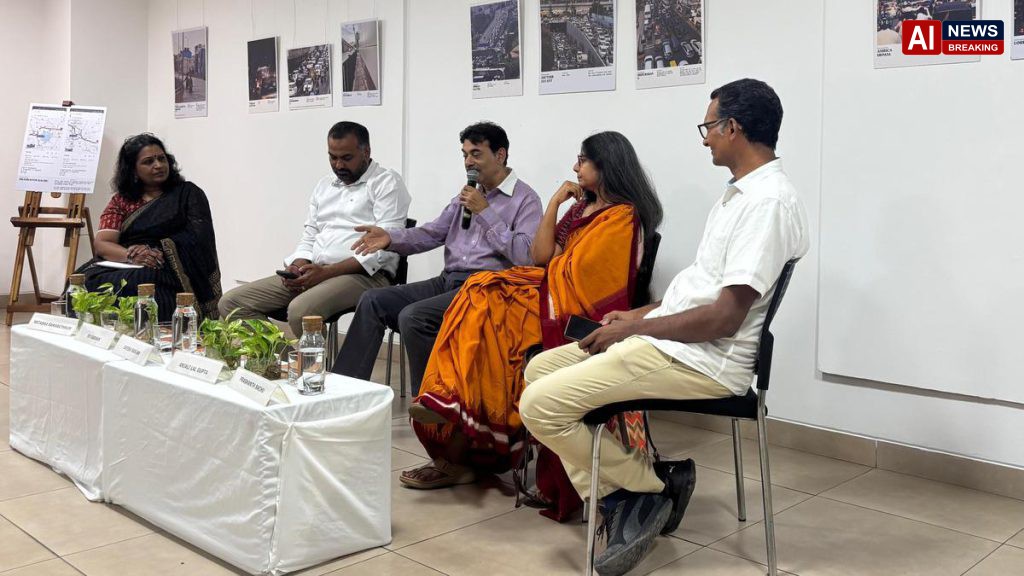
Hyderabad Officials Implement Sustainable Public Transport Solutions - AI News Breaking
Officials emphasis sustainable public transport solutions to address chronic traffic congestion and improve urban mobility in Hyderabad The traffic situation in Hyderabad has become a cause of concern for residents and commuters alike, with the city witnessing a significant increase in population and economic growth over the years. This has led to an exponential rise in private vehicles on the road, resulting in chronic traffic congestion and reducing the overall quality of life for citizens. In an effort to address this issue, the Greater Hyderabad Municipal Corporation (GHMC) has been working towards implementing sustainable public transport solutions to improve urban mobility in the city..
According to GHMC Commissioner R.V. Karnan, addressing traffic congestion in the city requires a multi-pronged approach that includes infrastructure development, improvement in public transport, and promoting a culture of using sustainable modes of transport. He emphasized that the GHMC has been working closely with various government agencies and stakeholders to develop an integrated master plan for public transport in the city..
The aim is to provide safe, efficient, and reliable transport services that cater to the needs of all segments of the population. One of the key strategies being implemented by the GHMC is to improve connectivity and frequency of public transport services such as buses and metro rail. This includes upgrading the existing bus network, introducing new routes, and increasing the number of buses on the roads..
Furthermore, the GHMC plans to integrate public transport services with other modes of transport, including auto-rickshaws and cycle rickshaws. Another crucial aspect of the GHMC’s public transport strategy is to promote the use of non-motorized transport modes such as walking and cycling. This includes creating pedestrian-friendly infrastructure including sidewalks, pedestrian crossings, and public squares..
Additionally, the GHMC aims to improve road safety by introducing pedestrian-friendly traffic management systems and implementing pedestrian-first policies. The GHMC has also identified the need to create a comprehensive public transport system that is integrated with other urban services such as education, healthcare, and employment. This would enable citizens to use public transport for multiple purposes, reducing their reliance on private vehicles..
Commissioner Karnan emphasized that the GHMC is working towards developing a seamless transport system that connects residential areas with commercial and educational hubs. The GHMC has also partnered with various private sector companies to develop innovative public transport solutions such as electric and hybrid buses. These vehicles are not only eco-friendly but also reduce operational costs for the GHMC..
Commissioner Karnan emphasized that the partnership with the private sector is crucial for implementing sustainable public transport solutions that can be self-sustaining. Another innovative approach being implemented by the GHMC is to use technology to improve public transport services. This includes developing mobile apps that provide real-time information on bus and metro rail schedules, as well as tracking the movement of public transport vehicles..
Additionally, the GHMC plans to implement an Intelligent Transport System (ITS) that can predict traffic congestion and optimize public transport services accordingly. The GHMC has also embarked on a major initiative to improve traffic management in the city by using advanced technologies such as traffic flow models and smart sensors. These technologies can predict traffic congestion and provide real-time data on traffic conditions, enabling the GHMC to deploy traffic management teams effectively..
In addition to these initiatives, the GHMC has also launched a public awareness campaign to promote the use of public transport and sustainable modes of transport. This includes creating awareness about the benefits of using public transport, as well as providing incentives to citizens who use public transport. Commissioner Karnan emphasized that public awareness and education are critical to making sustainable public transport solutions a success..
The GHMC has also introduced a system of congestion charges in certain areas of the city, where private vehicles are charged a fee to enter or use specific roads. This system is being implemented to discourage private vehicle usage and promote the use of public transport and cycling. The GHMC expects to generate significant revenue from this system, which will be used to improve public transport services..
While the GHMC’s efforts are promising, Commissioner Karnan emphasized that addressing traffic congestion in the city requires the involvement of all stakeholders, including citizens, private sector companies, and state government agencies. He emphasized that public transport is a critical service that requires the support and cooperation of all segments of the society. As part of its effort to improve traffic management, the GHMC has also introduced a system of smart parking in the city..
This system allows citizens to reserve parking spaces in advance, reducing congestion caused by parking vehicles on the streets. Commissioner Karnan emphasized that smart parking can significantly reduce traffic congestion in the city. The GHMC has also introduced a number of initiatives to promote non-motorized transport modes such as cycling and walking..
This includes creating dedicated cycling lanes and pedestrian-friendly infrastructure such as sidewalks and public squares. Commissioner Karnan emphasized that promoting non-motorized transport modes is critical for reducing traffic congestion and improving air quality in the city. As the GHMC continues to implement its public transport strategy, Commissioner Karnan emphasized that a long-term commitment to sustainable transport solutions is essential for addressing traffic congestion in the city..
He emphasized that making Hyderabad a more sustainable and livable city requires the involvement of all stakeholders and requires addressing systemic issues that contribute to traffic congestion..
Updated: July 31, 2026
The shift towards sustainable public transport in Hyderabad not only alleviates traffic congestion but also reflects a broader societal transition towards valuing community-oriented, environmentally conscious urban planning. By prioritizing public transport, the city is investing in the well-being of its citizens and the environment, setting a precedent for other urban areas to follow.