Europe warns of Russia’s hybrid attacks but struggles to counter them
  Former chief election commissioner calls SIR scheme illegal.
  A Corruption Scandal Is Reshaping Brazil’s Presidential Election
  US citizen injured in Illinois after ICE agents mistook him for fugitive, tried to arrest him
  At 10 years old, Smithsonian’s Black museum is undaunted amid pressure from Trump administration
 India Abandons Free Trade Agreements for Africa Ties, Sending Ripples Through Global Economy
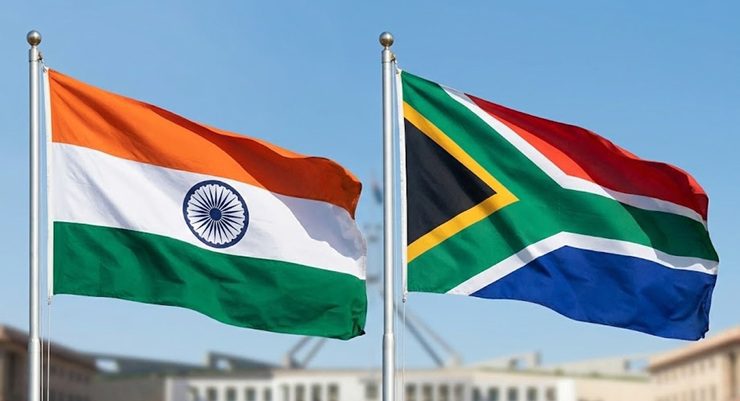
India’s Shift in Trade Strategy Sparks Global Economic Consequences
India may forgo signing free trade agreements (FTAs) and instead opt for deeper ties with African customs unions, a move that has significant economic and geopolitical implications.
According to Indian officials, the country may abandon its pursuit of FTAs with other nations in favor of strengthening its relationships with African customs unions.
Updated: May 10, 2026
India’s Shift in Trade Strategy Sparks Global Economic Consequences
India may forgo signing free trade agreements (FTAs) and instead opt for deeper ties with African customs unions, a move that has significant economic and geopolitical implications.
According to Indian officials, the country may abandon its pursuit of FTAs with other nations in favor of strengthening its relationships with African customs unions. This decision is driven by India’s increasing investment in Africa, which has reached $80 billion, making it one of the largest investors on the continent.
Impact Analysis
The potential implications of India’s shift in trade strategy are far-reaching:
1. Economic Shift: By focusing on customs unions in Africa, India will likely redirect its trade focus towards the rapidly growing African market, rather than the more saturated markets of developed economies.
2. Commodity Trade: India’s investment in Africa has primarily been driven by its appetite for commodities such as oil, gas, and minerals. Strengthening ties with African customs unions could lead to increased access to these resources, potentially reducing India’s dependence on other suppliers.
3. Regional Trade Hubs: Indian companies may establish themselves as key players in regional trade hubs in Africa, further solidifying their presence on the continent.
However, this pivot also carries risks:
1. Market Competition: The decision to focus on African customs unions could expose Indian businesses to increased competition from established players in the region, particularly those from China.
2. Regulatory Complexity: Dealing with multiple African customs unions will introduce regulatory complexities, increasing the risk of compliance issues and potential trade disruptions.
3. Diversification Risks: India’s overreliance on Africa for key commodities could lead to economic instability if regional demand or supply chain disruptions occur.
Broader Implications
This development has significant implications for the global economy and geopolitics:
1. Trade Landscape: India’s decision could lead to a shift in the global trade landscape, as other nations may follow suit in re-evaluating their trade strategies.
2. Africa’s Economic Rise: India’s increased focus on Africa could accelerate the continent’s economic growth, potentially drawing in more investment and development.
3. Geopolitical Realignments: This move could also realign India’s position in the global geopolitical landscape, potentially creating new alliances and partnerships with African nations.
As India continues to navigate its trade strategy, the global community should expect a new era of economic and geopolitical dynamics, with far-reaching implications for the world’s major markets and players.
This shift in India’s trade strategy marks a significant turn towards a Multi-Africa approach, where the country aims to tap into the varied regional strengths and economies of Africa, rather than relying on a single FTA. By doing so, India is effectively re-calibrating its economic compass to prioritize diversification and adaptability in an increasingly dynamic global landscape.
This is a developing story. More updates will follow as new information becomes available.