
 CPI(M) turns the heat on Keralam govt. over SMA drug controversy
  Finnish puppy livestream boosts pet ownership and sales.
  Punjab CM alleges he was made to sit at Delhi airport, officials told him they were ‘under pressure from above’
 Iran and Oman agree temporary shipping lane in the Strait of Hormuz.
Tehran and Muscat have struck a diplomatic breakthrough, establishing a temporary, buoy‑marked shipping corridor through the Strait of Hormuz. The joint effort includes mine‑clearing operations and aims to restore confidence for commercial vessels, lower insurance costs, and ease oil‑price pressures, marking a pragmatic shift toward regional stability.
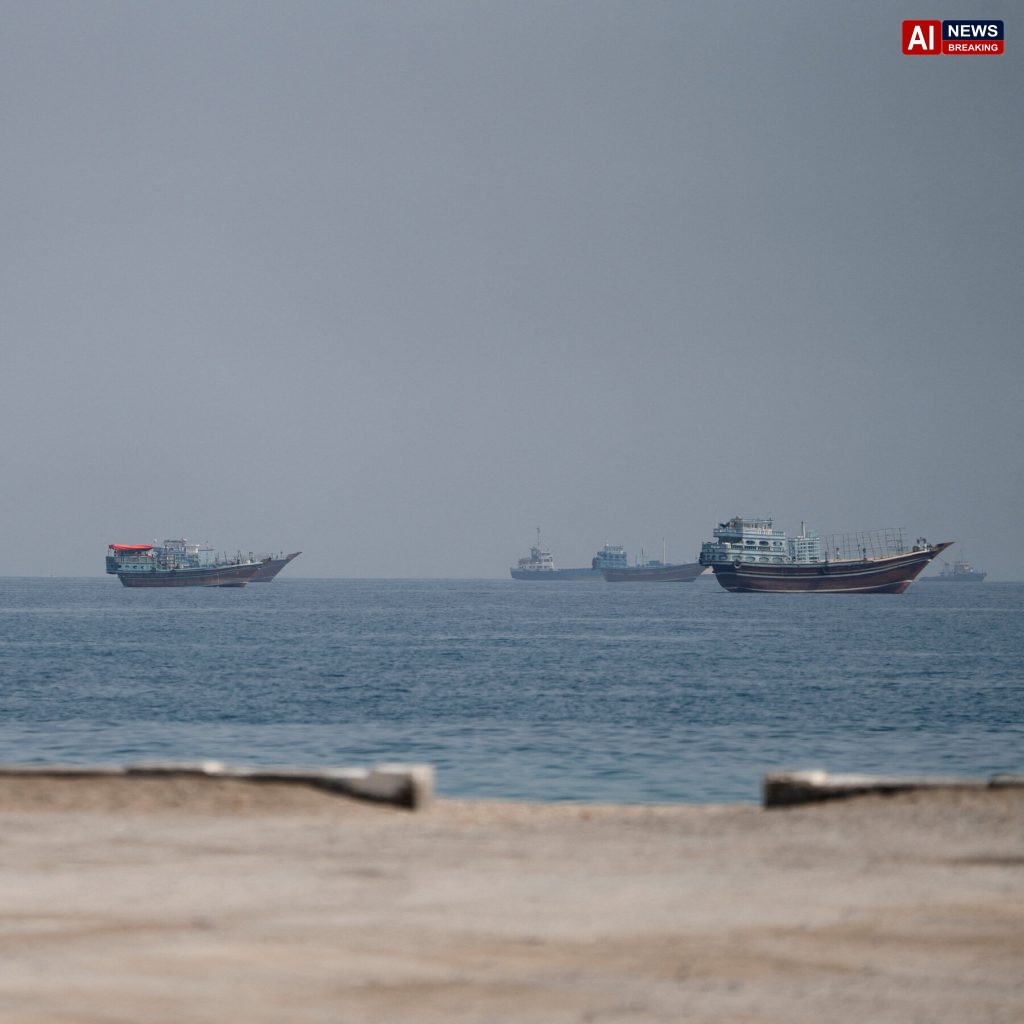
Iran and Oman agree temporary shipping lane in the Strait of Hormuz. - AI News Breaking
iran oman agree temporary:
Iran and Oman Report Progress in Talks on Strait of Hormuz Tehran and Muscat have jointly announced significant diplomatic breakthroughs regarding the management of the strategically vital Strait of Hormuz, signaling a potential de-escalation in regional tensions that have long threatened global energy supplies. In a rare display of cooperative governance, officials from both nations confirmed they would establish a temporary, regulated shipping lane designed to ensure the safe passage of commercial vessels through the narrow waterway. This development comes after months of heightened military posturing and widespread concerns from international maritime organizations about the safety of navigation in one of the world’s most critical chokepoints for oil transportation..
The joint statement emphasized that the primary objective of this new arrangement is to restore confidence among international shipping companies and insurers who have increasingly raised premiums for transit through the region. By agreeing to clear existing naval mines and establish buoy-marked safety corridors, Iran and Oman aim to reduce the risk of accidental collisions or deliberate sabotage. Middle East analysts suggest this move reflects a pragmatic shift in Iranian foreign policy, prioritizing economic stability and regional diplomacy over confrontation..
Meanwhile, Oman has reaffirmed its role as a neutral mediator, leveraging its historic diplomatic channels to facilitate dialogue between Tehran and various Western powers concerned about freedom of navigation in the Persian Gulf waters. Global financial markets reacted swiftly to the announcement, with Brent crude prices dipping by approximately two percent within hours of the news breaking from Baghdad and London trading floors. The immediate drop in oil prices reflects investor optimism that the immediate threat of disruption to the flow of hydrocarbons has diminished significantly..
Strategists note that roughly twenty percent of the world’s oil supply passes through this narrow strait daily, making any perceived reduction in risk a major positive signal for global energy security. However, market commentators caution that while the initial reaction is positive, long-term stability depends heavily on the successful implementation of demining operations and consistent enforcement of the new shipping protocols by both coastal states. Technical teams from both nations are reportedly already in the field, coordinating the complex logistical effort required to identify and neutralize underwater explosives placed in previous years..
The demining process is expected to take several weeks, during which time traffic may be temporarily restricted to specific safe corridors to ensure the safety of clearance vessels. International maritime organizations have offered technical assistance and monitoring capabilities to verify the thoroughness of these operations. Experts warn that any mishap during this sensitive phase could reignite tensions, underscoring the delicate nature of the ongoing cooperation between two states that have historically maintained cautious but steady diplomatic relations despite broader regional conflicts and ideological differences..
The establishment of the temporary shipping lane represents a nuanced diplomatic achievement, balancing the security concerns of Iran with the commercial interests of the international community. Oman’s Ministry of Foreign Affairs stated that the initiative is driven by a shared commitment to regional stability and the protection of civilian maritime traffic. This collaborative approach contrasts sharply with recent rhetoric from other regional actors, who have often emphasized military solutions to security challenges..
The involvement of Muscat highlights the importance of Gulf Cooperation Council states in fostering dialogue and preventing the escalation of conflicts that could have devastating economic repercussions for both the Middle East and the wider global economy. Western ambassadors stationed in the Gulf have welcomed the announcement as a constructive step toward reducing geopolitical friction, though some remain cautiously optimistic about the long-term viability of the agreement. The United States and European Union representatives have called for transparency in the demining efforts and regular updates on the operational status of the new shipping lanes..
They have also urged all parties to refrain from provocative military exercises that could undermine the spirit of cooperation. Diplomatic sources indicate that behind-the-scenes discussions involving other regional powers have been ongoing, suggesting that this bilateral agreement between Iran and Oman may serve as a broader model for future regional security cooperation mechanisms. Local shipping agencies report a gradual increase in booking inquiries for vessels planning transit through the strait over the coming fortnight..
Major tanker operators, who had previously diverted routes or delayed shipments due to safety concerns, are now reassessing their logistics strategies. Industry leaders acknowledge that while the risk profile remains elevated compared to normal times, the formal agreement provides a degree of predictability that was previously absent. Insurance markets are also beginning to adjust their risk assessments, with some underwriters indicating they may lower war-risk premiums for vessels transiting the designated safe lanes, provided all safety protocols are strictly followed..
The political implications of this agreement extend beyond immediate energy security, touching upon broader questions of sovereignty and international law in the Persian Gulf. Iran has historically viewed the strait as an internal waterway subject to its national defense prerogatives, while Western nations have consistently argued for freedom of navigation under international maritime law. The current arrangement attempts to bridge this conceptual divide by creating a mutually agreed-upon zone of safety that respects Iranian security concerns while accommodating international commercial interests..
This compromise could set a precedent for how other contested waterways are managed in an era of increasing great power competition and regional fragmentation. Oman’s role as a facilitator in these talks underscores its enduring reputation as a trusted mediator in the Middle East. The Sultanate has consistently maintained balanced relations with both Iran and Western powers, allowing it to act as a bridge in times of crisis..
This latest achievement adds to Muscat’s credit as a stabilizing force in the Gulf, reinforcing its diplomatic relevance in a region often characterized by volatility and shifting alliances. Regional experts suggest that Oman’s success in brokering this agreement may encourage other Gulf states to engage more directly in multilateral security initiatives, potentially leading to a more cohesive regional approach to maritime security and conflict resolution. Environmental groups have also expressed cautious optimism about the potential benefits of the demining operation for marine ecosystems in the strait..
The presence of unexploded ordnance has long been a hazard to local wildlife, including whales and dolphins that frequent the busy shipping lanes. The removal of these devices not only improves navigation safety but also reduces the risk of accidental explosions that could cause oil spills or other.
Updated: August 26, 2026
Summary: Iran and Oman have agreed to create a temporary, buoy‑marked shipping lane and launch a joint de‑mining effort to secure the Strait of Hormuz, aiming to lower navigation risks and calm oil markets. The move, praised by Western diplomats and insurers, signals a pragmatic shift toward regional cooperation that could reshape Gulf maritime security.
The Iran‑Oman accord hints that Tehran may be pivoting from a hard‑line stance to a pragmatic “economic security” strategy, using the Strait’s stability to attract global trade and curb oil‑price volatility. Whether this détente endures will hinge on both sides honoring the de‑mining timetable