 The Raffles’ Singapore Sling Costs $40. There’s a Reason Tourists Still Love It.
  China limits foreign AI risk warnings
 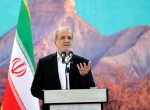 Iran Awaits Official US Response After Trump Rejects Seven-Day Strait of Hormuz Plan
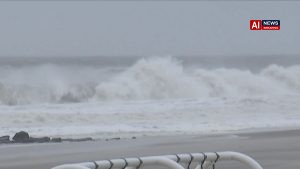
  Special report: One person dead as dangerous nor’easter slams East Coast
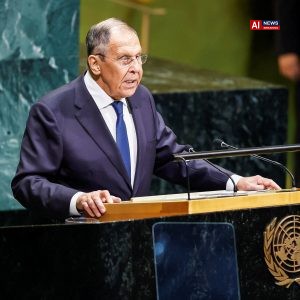
  Russian Foreign Minister Vows Russia Will See Ukraine War Through
 Iran Awaits Official US Response After Trump Rejects Seven-Day Strait of Hormuz Plan
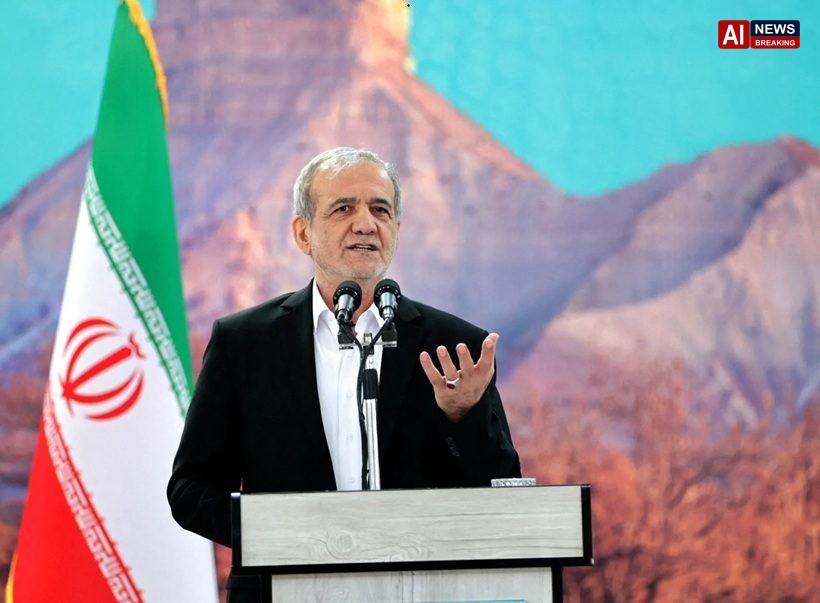
IRAN-NUCLEAR/PRESIDENT
iran awaits official response:
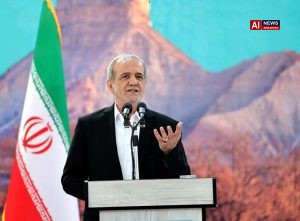
Iran’s foreign ministry issued a statement that it would “wait for an official response from the United States” before taking any further step on the proposal it had put forward to keep the Strait of Hormuz open for commercial shipping.
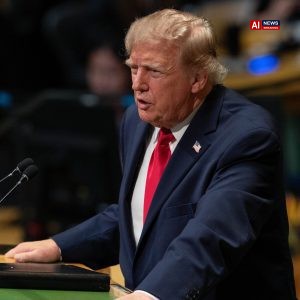
The declaration came after President Donald Trump, in a televised address, dismissed the Iranian offer as a desperate move born of “losing so badly” in the ongoing maritime standoff. The exchange has revived concerns in Washington, Tehran and the global oil market about the strategic importance of the narrow waterway that channels roughly a fifth of the world’s petroleum through the Persian Gulf.The Iranian proposal, first aired in a televised address by Foreign Minister Mohammad Javad Zarif earlier this month, called for a seven‑day cease‑fire along the Strait, during which both sides would refrain from any hostile actions and allow civilian vessels to pass unhindered..
Tehran argued that such a pause would defuse the risk of accidental escalation and protect the livelihoods of the region’s fishermen, while also demonstrating Iran’s willingness to engage in constructive dialogue. The offer was presented as a “good‑will gesture” amid a series of incidents that have seen Iranian Revolutionary Guard Navy vessels harass commercial ships and U.S. warships conduct freedom‑of‑navigation patrols.President Trump responded to the proposal in a brief address to the nation, characterising Tehran’s overture as a “last‑ditch effort” and suggesting that it was driven by a fear of losing “so badly” in the confrontation..
He reiterated his administration’s position that any concession on the strait would be contingent on the removal of sanctions and a halt to Iran’s alleged support for proxy militias across the Middle East. The president also warned that any Iranian attempt to block the waterway would meet a “strong response” from the United States, signalling that the U.S. Navy would be ready to enforce open‑sea navigation with force if necessary.The exchange has prompted analysts to reassess the calculus of both capitals..
In Tehran, the foreign ministry’s decision to await a formal U.S. reply reflects a desire to maintain a veneer of diplomatic propriety while preserving leverage over the negotiations. The statement stressed that Iran remained “committed to safeguarding the lives of civilians and the stability of global oil markets” but would not be “pressured into abandoning its legitimate security concerns.” Iranian officials have also hinted that the proposal could be extended beyond the initial seven‑day window if the United States demonstrates a genuine willingness to discuss a broader framework for de‑escalation.Washington, for its part, has been cautious in its public messaging..
While the White House has not issued a detailed rebuttal to each element of the Iranian offer, senior officials in the State Department have reportedly expressed skepticism about Tehran’s motives, suggesting that the proposal could be a ploy to gain diplomatic cover while continuing covert operations in the Gulf. Sources close to the administration say that the United States is preparing a “comprehensive response” that will address not only the immediate maritime issue but also the wider context of Iran’s nuclear program, regional activities, and the sanctions regime that has been in place since 2018.The Strait of Hormuz, a 21‑mile-wide channel separating the Iranian and Arabian peninsulas, has long been a flashpoint for geopolitical tension. In 2019, a series of attacks on oil tankers, including the seizure of the British‑owned vessel Kokuka Courageous and the damaging of the Greek‑flagged Pegasus by Iranian forces, raised alarms in global markets and prompted the U.S..
to increase its naval presence. More recently, the United Nations has recorded a rise in “near‑miss” incidents involving military and commercial ships, heightening the risk of an accidental clash that could cripple the world’s energy supply chain.Oil traders have responded to the latest diplomatic volley with a mixture of caution and volatility. Brent crude prices, which had been hovering near $84 a barrel, slipped modestly after Trump’s remarks, reflecting market participants’ concerns that any disruption to the strait could trigger a supply shock..
Analysts at major banks warned that a prolonged impasse could see prices surge by as much as 10 per cent, especially if Iran were to employ asymmetric tactics such as mining the waters or targeting offshore platforms. Conversely, a successful diplomatic thaw could stabilise the market and reduce the premium on risk‑laden contracts.Regional actors have also weighed in. Saudi Arabia’s foreign ministry, speaking through a spokesperson in Riyadh, underscored that the Kingdom remains “vigilant” and “ready to cooperate with international partners” to ensure the free flow of oil..
Meanwhile, the United Arab Emirates, which relies heavily on the strait for its own imports, called for “a calm and measured approach” and urged both Tehran and Washington to avoid rhetoric that could inflame the situation. Oman, which shares a coastline with the strait, offered to act as a neutral facilitator for any talks, citing its historical role as a diplomatic bridge between the Gulf states.The United Nations has offered to monitor the situation, with the ary‑General’s office proposing a temporary observer mission to oversee compliance with any cease‑fire arrangement. The proposal, however, has yet to secure the consensus of the Security Council, where Iran’s allies and U.S..
allies remain at odds over the appropriate mandate. In a recent briefing, the UN’s chief of staff on maritime security highlighted the challenges of enforcing a cease‑fire in a region where multiple naval forces operate simultaneously and where the line between civilian and military vessels can be blurred.Inside Iran, public opinion appears divided. A poll conducted by the Tehran-based Research Center for Public Opinion indicated that a slim majority of respondents viewed the seven‑day proposal as a “reasonable step toward peace,” while a comparable share expressed distrust of U.S..
intentions, fearing that any pause could be used by Washington to regroup militarily. Opposition figures in the Iranian parliament have warned that conceding on the strait could be perceived domestically as a sign of weakness, potentially emboldening hard‑line factions within the Revolutionary Guard.In the United States, congressional leaders have called for a clear articulation of policy. The chair of the Senate Foreign Relations Committee, Senator Robert Menendez, urged the administration to “provide a transparent roadmap” that ties any easing of sanctions to verifiable actions by Tehran, including a halt to missile tests and a full implementation of the Joint Comprehensive Plan of Action..
Conversely, some Republican lawmakers have echoed the president’s sentiment, arguing that any diplomatic overture must be matched by a demonstrable reduction in Iran’s regional malign activities.As the world watches, the coming days will determine whether the strait becomes a theater of heightened tension or a platform for.
Iran’s pause‑offer is less a peace gesture than a strategic gamble: by framing a short cease‑fire as humanitarian, Tehran can claim diplomatic goodwill while buying time to recalibrate its covert maritime tactics.
If Washington rebuffs the move, the resulting stalemate could push oil markets into