Europe warns of Russia’s hybrid attacks but struggles to counter them
  Former chief election commissioner calls SIR scheme illegal.
  A Corruption Scandal Is Reshaping Brazil’s Presidential Election
  US citizen injured in Illinois after ICE agents mistook him for fugitive, tried to arrest him
  At 10 years old, Smithsonian’s Black museum is undaunted amid pressure from Trump administration
 Iran Rejects Pressure Tactics, Defends Demands After Trump Dismisses Peace Proposal
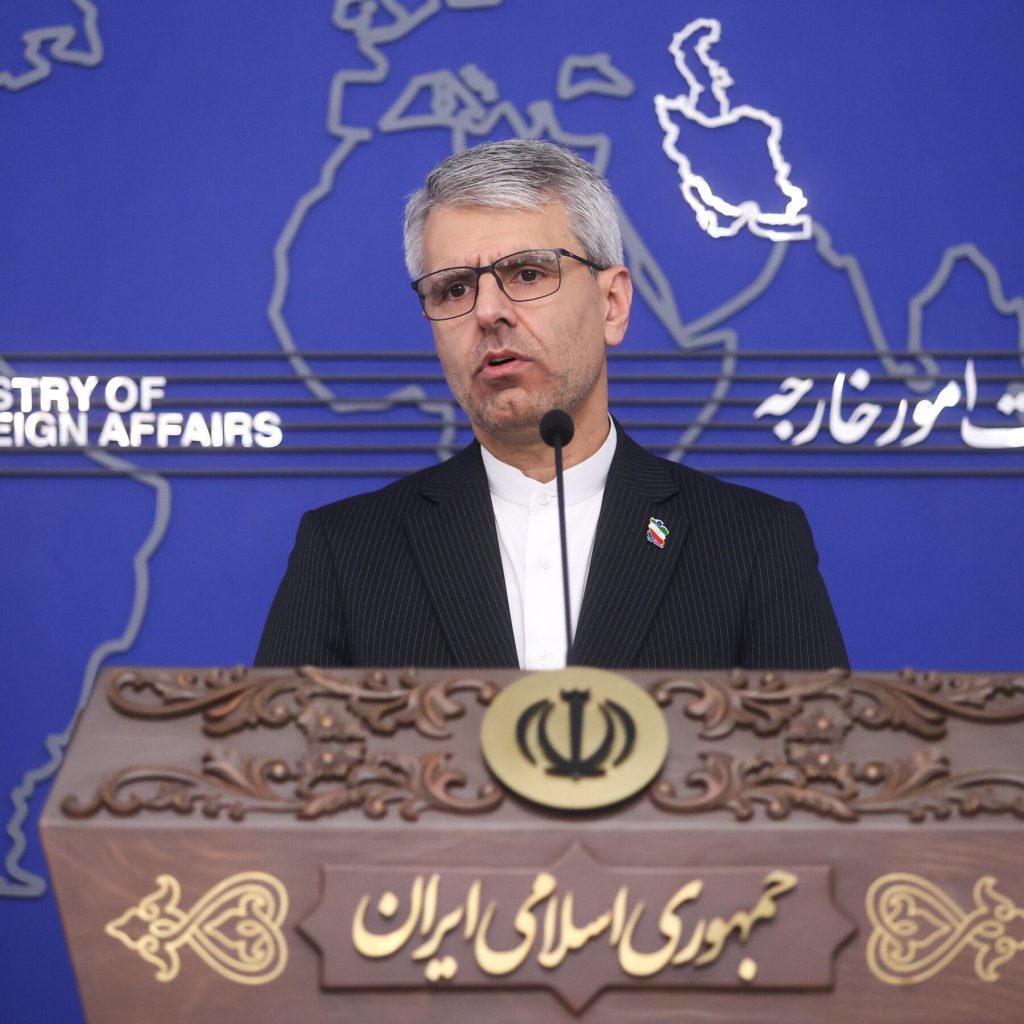
Iran has defended its conditions for ending the ongoing regional conflict after US President Donald Trump dismissed Tehran’s response to a US-backed peace proposal as “totally unacceptable.” Tehran insists its demands are necessary for regional stability, sovereignty, and long-term security, while Washington continues to push for stricter nuclear and military concessions.
The diplomatic standoff has heightened fears of prolonged conflict in the Middle East, with tensions around the Strait of Hormuz and Iran’s nuclear program continuing to drive global concern and oil market volatility.
Iran Pushes Back After Trump Rejects Tehran’s Conditions
Iran on Monday strongly defended the demands it placed before the United States and its allies after President Donald Trump publicly rejected Tehran’s latest response to a proposed ceasefire and peace framework.
The latest escalation in rhetoric has further dimmed hopes for an immediate diplomatic breakthrough in the ongoing Middle East conflict, which has already disrupted regional stability, energy markets, and international shipping routes.
Trump described Iran’s counterproposal as “totally unacceptable” and “a piece of garbage,” accusing Tehran of refusing to make meaningful compromises on its nuclear program and regional military activities.
Iranian officials, however, argued that their demands are rooted in national sovereignty, security guarantees, and compensation for damages caused during the conflict. Tehran insists that any lasting agreement must address broader regional tensions rather than focusing solely on Iran’s nuclear activities.
What Iran Is Demanding
According to multiple reports, Iran’s counterproposal includes several major demands before agreeing to a ceasefire or broader normalization process.
These reportedly include:
- Removal of US sanctions
- Payment of war reparations
- End of military aggression across the region
- Recognition of Iranian sovereignty over the Strait of Hormuz
- Withdrawal of US military pressure in Gulf waters
- Guarantees against future attacks
- Phased negotiations on nuclear issues rather than immediate dismantling
Iran has also reportedly resisted American demands for the complete dismantling of its nuclear infrastructure. Instead, Tehran offered limited and temporary restrictions on uranium enrichment under specific conditions.
Iranian officials maintain that surrendering strategic defense capabilities without broader security guarantees would leave the country vulnerable.
Trump’s Sharp Rejection
President Trump reacted aggressively to Tehran’s proposal, accusing Iran of attempting to delay negotiations while preserving its military and nuclear leverage.
Trump reportedly insisted that:
- Iran must permanently halt nuclear weapons development
- Enriched uranium stockpiles must be neutralized
- Tehran cannot continue supporting regional proxy groups
- Any agreement must include strict enforcement measures
The US administration also signaled that failure to reach an acceptable deal could result in renewed military escalation and tighter strategic pressure.
Israeli Prime Minister Benjamin Netanyahu has echoed Washington’s hardline position, insisting that Iran’s nuclear capabilities remain a major threat to regional security.
Strait of Hormuz Remains Central Flashpoint
One of the most sensitive aspects of the negotiations involves the Strait of Hormuz — the strategically critical waterway through which a large portion of global oil and gas shipments pass.
Iran has demanded recognition of its sovereignty and security interests in the region, while Western powers continue naval operations aimed at protecting commercial shipping routes.
The continuing tensions have raised fears of:
- Shipping disruptions
- Energy supply shocks
- Naval confrontations
- Higher global oil prices
Oil markets reacted immediately after Trump rejected Iran’s proposal, with crude prices rising sharply amid concerns that the conflict could continue for an extended period.
Analysts warn that any prolonged instability in the Strait of Hormuz could have serious implications for global inflation and energy-dependent economies.
Nuclear Program Remains the Core Dispute
At the center of the diplomatic deadlock remains Iran’s nuclear program.
The US and its allies want:
- Long-term or permanent restrictions on uranium enrichment
- International monitoring and inspections
- Reduction of missile capabilities
- Limits on Iran’s regional military partnerships
Iran, however, argues that its nuclear activities are for peaceful purposes and says Western powers cannot demand unilateral concessions while maintaining sanctions and military pressure.
Tehran has repeatedly stated that negotiations must be based on “mutual respect” rather than coercion.
Iranian leaders also appear concerned that accepting sweeping US conditions could be perceived domestically as political surrender.
Regional Tensions Continue to Rise
Despite diplomatic exchanges, military tensions remain high across the region.
Reports indicate continued clashes involving:
- US and Iranian naval forces
- Iranian-backed groups
- Israeli military operations
- Cross-border strikes involving Hezbollah
The conflict has increasingly evolved into a broader regional confrontation rather than a narrow US-Iran dispute.
International mediators, including regional intermediaries such as Pakistan and other Gulf actors, have reportedly attempted to keep communication channels open between Washington and Tehran.
Global Economic Concerns Mount
The standoff is also creating wider economic anxiety.
Energy analysts warn that prolonged uncertainty could:
- Increase oil and gas prices globally
- Intensify inflation pressures
- Disrupt international shipping
- Impact stock markets and trade flows
Several governments are closely monitoring developments due to fears that escalation in the Gulf could trigger broader economic instability.
Energy-dependent countries in Asia and Europe remain particularly vulnerable to supply disruptions through Hormuz.
Diplomatic Prospects Remain Uncertain
While both sides continue exchanging proposals through intermediaries, the tone of recent statements suggests negotiations remain far from resolution.
Iran insists its conditions are necessary to prevent future conflict and ensure long-term stability.
The US, meanwhile, appears unwilling to soften demands related to nuclear restrictions and regional military influence.
Political observers believe the dispute has now become tied not only to security calculations but also to domestic political positioning in both Washington and Tehran.
Neither side wants to appear weak before domestic audiences or regional allies.
AI Insight
The latest confrontation between Washington and Tehran highlights how modern geopolitical negotiations increasingly involve issues far beyond traditional ceasefires. Iran’s insistence on sanctions relief, sovereignty guarantees, and regional recognition reflects its attempt to negotiate from a position of strategic endurance rather than military weakness. Meanwhile, Trump’s rejection underscores the US preference for a maximalist framework focused on dismantling Iran’s long-term strategic capabilities. The deeper challenge is that both governments are balancing external diplomacy with domestic political optics, making compromise politically risky. As long as neither side is willing to offer symbolic concessions first, the conflict may remain trapped in a cycle of escalation, temporary diplomacy, and renewed confrontation — with global energy markets and regional stability caught in the middle.