Europe warns of Russia’s hybrid attacks but struggles to counter them
  Former chief election commissioner calls SIR scheme illegal.
  A Corruption Scandal Is Reshaping Brazil’s Presidential Election
  US citizen injured in Illinois after ICE agents mistook him for fugitive, tried to arrest him
  At 10 years old, Smithsonian’s Black museum is undaunted amid pressure from Trump administration
 IRGC Warns of Regional and Global War as Middle East Tensions Intensify with US-Iran Standoff
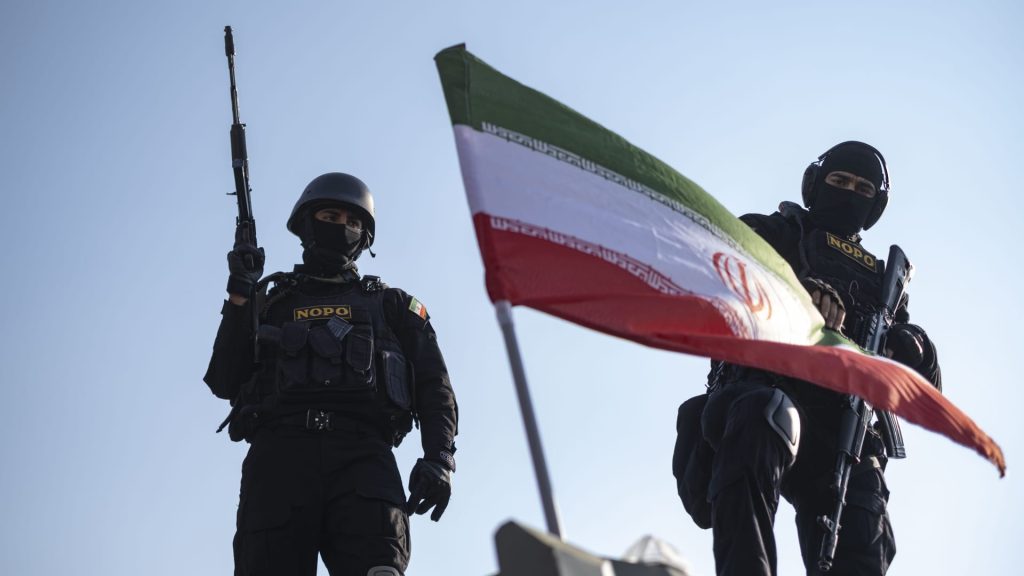
irgc warns regional global:
Middle East Tensions Escalate: IRGC Warns of Regional and Global War
A new wave of tension has swept through the Middle East as the Iranian Revolutionary Guard Corps (IRGC) issued a stern warning that a US-led war on Iran would have far-reaching consequences, extending beyond the region.
This escalation comes amidst ongoing diplomatic stand-offs and threats from top American and Israeli officials.
Updated: May 20, 2026
Middle East Tensions Escalate: IRGC Warns of Regional and Global War
A new wave of tension has swept through the Middle East as the Iranian Revolutionary Guard Corps (IRGC) issued a stern warning that a US-led war on Iran would have far-reaching consequences, extending beyond the region. This escalation comes amidst ongoing diplomatic stand-offs and threats from top American and Israeli officials.
What Happened?
In a recent statement, the IRGC warned that any US-led military action against Iran would have severe repercussions, including a war beyond the region. This warning follows comments from US President Donald Trump, who hinted at the possibility of a military strike on Iran while insisting that Tehran still seeks to negotiate a deal.
Additionally, Trump warned Iran that the consequences of not making a deal would be severe, stating that the country would face a big hit if it fails to reach an agreement within a short timeframe. These remarks come amidst a backdrop of increasing regional tensions and diplomatic efforts aimed at de-escalating the situation.
Background Timeline
The tensions between the US, Iran, and its regional allies have been escalating for several months. Here’s a brief timeline of key events:
November 2018: The US withdraws from the Joint Comprehensive Plan of Action (JCPOA), a nuclear deal between Iran and world powers.
May 2019: The US imposes economic sanctions on Iran, citing concerns over its nuclear program and regional activities.
January 2020: The US drone strike kills top Iranian military commander Qasem Soleimani, leading to a major escalation of tensions between the two nations.
August 2020: The US-Iran conflict enters a new phase with tensions flaring over the assassination of a top Iranian nuclear scientist.
Key Concerns
Several key concerns surround the current crisis:
1. War in the Middle East: The IRGC’s warning highlights the risk of regional conflict, which could have far-reaching consequences, including instability in oil-rich territories and displacement of millions.
2. Global Economic Implications: Tensions between the US and Iran threaten global economic stability, particularly as oil prices have soared in anticipation of conflict.
3. Diplomatic Dilemmas: The crisis also raises concerns over the effectiveness of diplomatic efforts to de-escalate tensions and find a negotiated solution.
What’s Next?
The situation in the Middle East remains volatile, with ongoing tensions between the US, Iran, and its regional allies. The outcome of the Israeli Knesset vote will also have significant implications for regional politics and stability.
As international powers continue to negotiate and pressure Iran to comply with US demands, the region teeters on the brink of a potentially catastrophic conflict. While diplomatic efforts are ongoing, the risk of war remains high, and the consequences of a conflict will be far-reaching.
The IRGC's warning of a regional and global war should be interpreted as a deliberate attempt to frame a hypothetical US strike as a global threat, effectively rallying international support and shifting the balance of power in Iran's favor. This strategic maneuver underscores the delicate dance of deterrence at play in the escalating Middle East tensions, where each side aims to outmaneuver the other without being seen
This is a developing story. More updates will follow as new information becomes available.