Europe warns of Russia’s hybrid attacks but struggles to counter them
  Former chief election commissioner calls SIR scheme illegal.
  A Corruption Scandal Is Reshaping Brazil’s Presidential Election
  US citizen injured in Illinois after ICE agents mistook him for fugitive, tried to arrest him
  At 10 years old, Smithsonian’s Black museum is undaunted amid pressure from Trump administration
 Israel Escalates Hezbollah Conflict With Beirut Suburb Airstrikes, Killing 2 and Injuring 11 Amid Fragile Ceasefire Tensions
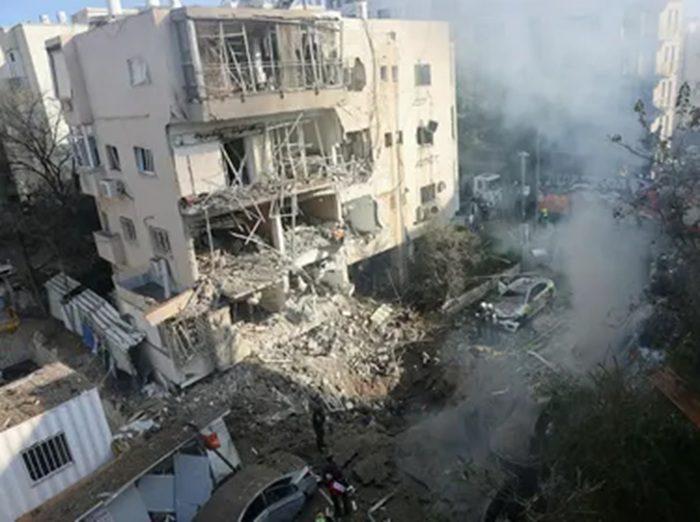
Israel carried out airstrikes on Beirut’s southern suburbs, targeting what it described as a Hezbollah “terrorist headquarters,” marking a sharp escalation despite a fragile ceasefire environment. Lebanese authorities report at least two killed and 11 injured in the strikes. The development comes amid shifting diplomatic signals on whether Lebanon will be included in broader ceasefire arrangements.
BEIRUT — Israel launched airstrikes on the southern suburbs of Beirut in what appears to be one of the most significant escalations in hostilities with Hezbollah since a ceasefire arrangement was reportedly established in mid-April, according to regional officials and Lebanese state media.
The strikes targeted two residential apartments in separate buildings, an area widely considered a Hezbollah stronghold in the Lebanese capital’s densely populated southern districts.
Lebanon’s state news agency reported that at least two people were killed and 11 others injured in the attack, though officials cautioned that casualty figures could rise as rescue operations and damage assessments continued.
The Israeli military described the target as a “terrorist headquarters,” indicating that the operation was aimed at Hezbollah infrastructure embedded within urban civilian areas.
Strikes in a Dense Urban Landscape : The southern suburbs of Beirut, often referred to as the Dahieh district, are among the most politically and militarily sensitive areas in Lebanon. The region is known for its strong Hezbollah presence and has frequently been a focal point in past rounds of Israel–Hezbollah conflict.
On impact, the airstrikes reportedly struck residential buildings, causing significant structural damage and prompting panic among residents. Emergency responders rushed to the scene as smoke rose from heavily damaged upper floors.
Witnesses described the strikes as sudden and powerful, with explosions shaking nearby neighborhoods and sending civilians into the streets.
The use of precision strikes in densely populated urban zones underscores the continued challenge of distinguishing between militant infrastructure and civilian residences in asymmetric conflict environments.
Rising Tensions Despite Ceasefire Claims: The latest escalation comes amid claims of a ceasefire framework that had been established in mid-April, intended to reduce cross-border hostilities and stabilize the Israel–Lebanon frontier after months of intermittent exchanges.
However, the recent airstrikes suggest that the ceasefire remains fragile or selectively applied, particularly when either side identifies what it considers imminent threats.
Israeli officials have consistently argued that Hezbollah continues to operate military infrastructure within civilian areas, including Beirut’s southern suburbs, justifying targeted strikes as preventive measures.
Lebanese authorities, on the other hand, have repeatedly condemned such strikes as violations of sovereignty and escalatory actions that risk destabilizing the country further.
Trump’s Comment Adds Diplomatic Complexity: Adding a political dimension to the military escalation, former U.S. President Donald Trump stated that he would not insist on Lebanon being included in a ceasefire arrangement framework under discussion in broader regional diplomacy.
While the statement does not reflect current U.S. government policy, it has drawn attention in diplomatic circles due to its potential implications for negotiation boundaries and regional alignment strategies.
Analysts suggest that such remarks—whether formal policy or political positioning—can influence perceptions among regional actors regarding the scope and enforceability of ceasefire agreements.
Civilian Impact and Humanitarian Concerns
As with previous escalations in Beirut’s southern suburbs, the strikes have raised concerns over civilian safety in densely populated areas where residential buildings are often interwoven with political and military infrastructure.
Initial reports indicate:
- 2 people killed
- 11 injured
- Multiple residential units damaged or destroyed
- Emergency evacuation of nearby buildings
Humanitarian observers have long warned that urban airstrikes in such areas carry heightened risks of civilian casualties due to population density and limited evacuation windows.
The latest incident is likely to intensify calls from international organizations for stricter safeguards in targeting decisions.
Hezbollah–Israel Conflict Dynamics: The Israel–Hezbollah confrontation has historically been characterized by cycles of escalation and deterrence, often spilling across the Israel–Lebanon border.
Key features of the conflict include:
- Cross-border rocket fire and retaliatory airstrikes
- Targeting of command centers and logistical infrastructure
- Use of proxy and asymmetric warfare tactics
- Periodic escalation into wider regional crises
Hezbollah, backed by Iran, maintains a significant military presence in Lebanon, while Israel views the group as a primary security threat along its northern frontier.
The Beirut strikes suggest that the conflict remains active beyond border zones, with urban centers increasingly becoming operational theatres.
Strategic Messaging Behind the Strikes: Military analysts often interpret such airstrikes as carrying both tactical and strategic messaging.
In this case, possible objectives include:
- Disrupting Hezbollah command and coordination structures
- Signaling intelligence penetration capabilities
- Deterring future attacks or deployments near Israel’s border
- Reinforcing red lines regarding urban militarization
However, such actions also carry escalation risks, particularly when conducted in capital city suburbs where political symbolism is high.
Regional Stability at Risk: The latest escalation adds pressure to an already volatile regional environment marked by overlapping conflicts and fragile diplomatic arrangements.
Key risk factors include:
- Potential Hezbollah retaliation
- Expansion of strikes beyond targeted zones
- Breakdown of ceasefire understandings
- Increased civilian displacement in Beirut’s southern districts
International actors are likely to monitor whether this incident triggers a broader escalation cycle or remains a contained strike episode.
The Beirut airstrikes highlight a defining feature of modern hybrid conflicts: the collapse of clear geographic separation between frontline and urban civilian space. As militant networks embed within densely populated areas, military operations increasingly become precision-driven but politically explosive. This creates a recurring paradox—tactical targeting may achieve short-term disruption, but it simultaneously increases strategic instability by eroding ceasefire credibility and expanding the perceived battlefield into capital cities.