
 Revival Rugs Birthday Sale: 20 Percent Off Sitewide Through Sunday
  Ohio mayor says employee error caused chemical leak, lifts evacuation orders
  Nabi, Rashid and quicks lead Afghanistan to tri-series title
  How a U.K. Official’s Wife Set Off a Debate Over Free Speech and Palestinians
  IIT Bombay scholar builds low cost air purifier starting at ₹2,000, can bring down AQI by 85% – How he did it? Details
 Liberia receives first US deportees amid transparency concerns
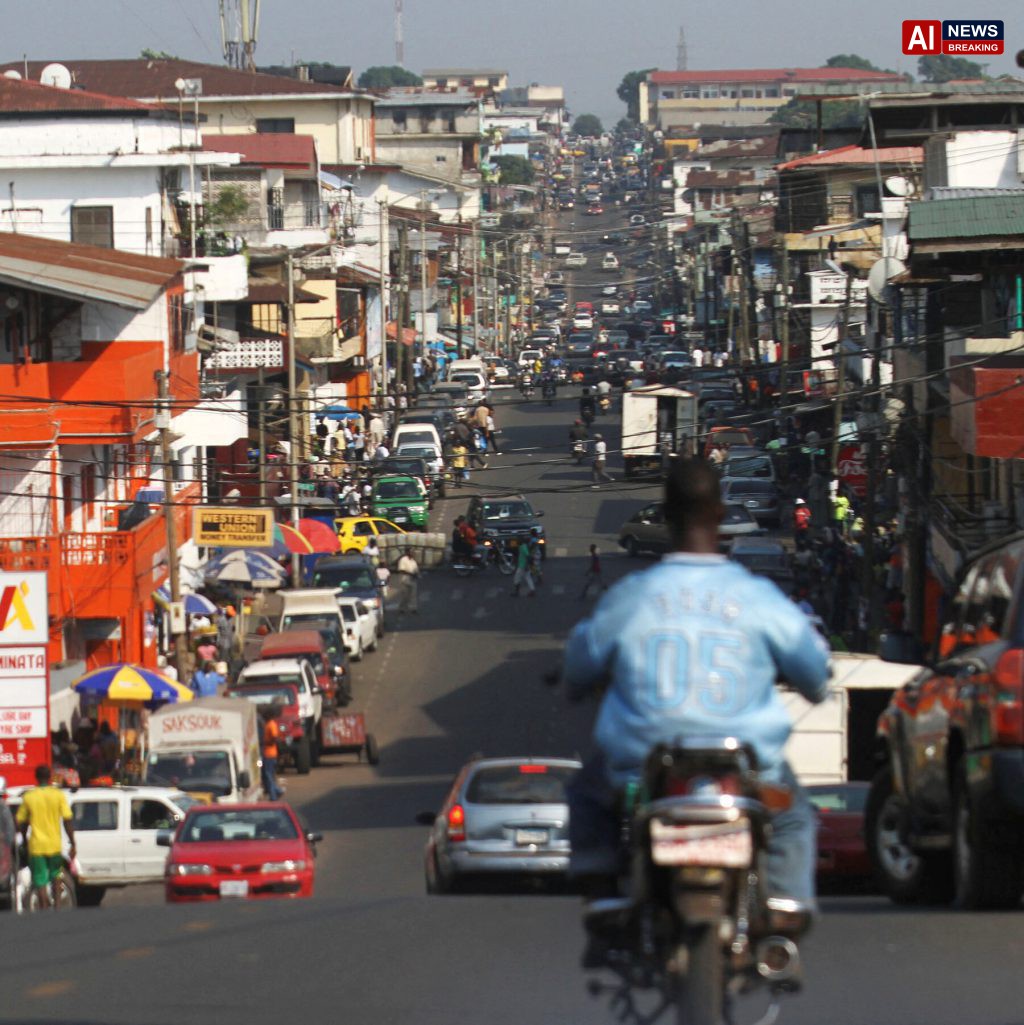
Liberia receives first US deportees amid transparency concerns - AI News Breaking
liberia receives first deportees:
The first group of deportees removed by authorities in the United States arrived in Monrovia, Liberia, this week, marking the commencement of what officials describe as a significant but controversial bilateral migration agreement. The arrival has ignited a fierce debate across the small West African nation, where civil society groups, human rights advocates, and political opposition figures are demanding transparency regarding the terms of the deal and the humanitarian treatment of those being returned. Critics argue that the Liberian government has failed to provide adequate justification for entering into one of the largest U.S..
deportation arrangements in recent history, leaving citizens and legal experts in the dark about who these individuals are, why their cases were prioritized, and what support systems are in place to assist them upon their return.The controversy stems from a lack of public communication from the Liberian executive branch, which has largely remained silent on the specifics of the agreement since its initial signing. officials have framed the arrangement as a necessary measure to enforce immigration laws and combat criminal activity associated with unauthorized border crossings, Monrovia has not released detailed statistics or profiles of the deportees. This opacity has fueled speculation and concern among local communities, who worry that the government is tacitly accepting individuals without due process or clear evidence of criminal culpity..
Legal analysts in West Africa have pointed out that without clear criteria for deportation, there is a risk that innocent individuals, including political dissidents or those seeking asylum due to persecution, could be wrongly stripped of their protection and returned to a country where they may face significant hardship or danger.Human rights organizations operating in Liberia have expressed deep apprehension about the potential implications of this policy. Groups such as Amnesty International and local advocacy bodies have raised alarms about the due process protections afforded to these individuals during their detention in the United States and their subsequent transfer. There are concerns that some of those deported may have valid asylum claims that were not adequately reviewed or heard before their removal..
The fast-track nature of many recent U.S. immigration proceedings has drawn criticism from international legal experts who argue that streamlined processes often compromise the right to fair hearing and legal representation. As a result, the arrival of these deportees is not merely a logistical event but a complex legal and humanitarian issue that tests the integrity of international migration frameworks and the rule of law in both nations.The political landscape in Liberia is deeply divided over the issue, with opposition parties accusing the current administration of capitulating to foreign pressure without securing meaningful benefits for the Liberian state..
Politicians from the opposing camp have questioned the diplomatic rationale behind the agreement, asking whether it serves the national interest of Liberia or merely aligns with the political agendas of U.S. They argue that the deal places an undue burden on a developing nation with limited resources, expecting Monrovia to absorb a sudden influx of individuals without corresponding financial aid, infrastructure support, or integration programs. This sentiment resonates with many voters who feel that their government is prioritizing international relations over the welfare of its own citizens, particularly in a time when economic conditions remain fragile and public services are strained.Economic concerns are at the forefront of the backlash, as many Liberians worry about the strain on an already overburdened public system..
Monrovia, like many capital cities in West Africa, struggles with high unemployment, inadequate housing, and limited access to healthcare and education. The sudden arrival of hundreds, and eventually thousands, of deportees could exacerbate these challenges, leading to social tension and competition for scarce resources. Local business leaders have expressed anxiety that the influx of unemployed individuals could depress wages and increase crime rates, although proponents of the deal argue that proper management and integration strategies can mitigate these risks..
However, without a concrete plan from the government outlining how these individuals will be supported, the fears of community leaders and urban planners remain largely unaddressed.Civil society groups are also highlighting the need for a comprehensive reception and reintegration strategy. In previous instances of large-scale deportations to other West African countries, recipients have faced abandonment, homelessness, and vulnerability to exploitation. Advocates are calling on the Liberian government to establish dedicated facilities where deportees can be processed, screened for health and legal status, and provided with initial shelter and counseling..
They emphasize that returning individuals to their home countries without ensuring their safety and dignity violates basic human rights principles. The lack of a visible, coordinated effort from government agencies to prepare for this influx has led to accusations of negligence and poor planning, further eroding public trust in state institutions.Diplomatic tensions have also surfaced quietly behind closed doors, as regional organizations monitor the situation with growing concern. The Economic Community of West African States (ECOWAS), of which Liberia is a member, has historically maintained a strong stance on the protection of human rights and the rule of law..
While the bloc has not yet issued an official condemnation, its commissioners have privately urged Liberian authorities to ensure that any migration agreements respect international legal standards and do not inadvertently violate the rights of vulnerable populations. This regional scrutiny adds another layer of pressure on the Liberian government to justify its actions and demonstrate compliance with international norms, particularly regarding non-refoulement—the principle that individuals should not be returned to places where they face serious threats to their life or freedom.The United States has defended the deportation program as a critical component of its broader strategy to secure its borders and deter illegal immigration. American officials argue that the agreement with Liberia is part of a network of similar deals with other countries, designed to deport individuals who lack legal status and pose potential security risks..
They maintain that all deportees undergo rigorous screening processes and that the United States is committed to cooperating with partner nations to ensure the safe and orderly return of these individuals. critics, including immigrant rights groups and some members of Congress, have condemned the deals as inhumane and unconstitutional, arguing that they bypass judicial oversight and disregard the sanctuaries that America has traditionally offered to fledgling populations seeking safety.In Monrovia, the mood is one of cautious skepticism mixed with outright anger. Community leaders in areas where deportees are likely to settle are organizing meetings to discuss how to cope with the anticipated changes..
Some express empathy for the deportees, recognizing the hardships they have endured, while others fear that their presence will destabilize local social structures. The religious community, which plays a significant role in social welfare in Liberia, has called for a compassionate response, urging the government to treat all individuals with dignity regardless of their legal status. Yet, these calls for compassion are often drowned out by the louder demands for accountability and transparency from the political opposition and civil society watchdogs.The long-term impact of this agreement remains uncertain..
If the Liberian government fails to address the immediate concerns of its citizens and implement a robust support system for the deportees, the deal could become a political liability, fueling further instability and distrust in leadership. Conversely, if managed transparently.
Updated: August 20, 2026
This deal exposes the high moral cost of outsourcing enforcement, where bureaucracy overrides basic human dignity. Without transparency, Liberians are left to absorb both the social strain and the ethical burden of America’s immigration policy.