Europe warns of Russia’s hybrid attacks but struggles to counter them
  Former chief election commissioner calls SIR scheme illegal.
  A Corruption Scandal Is Reshaping Brazil’s Presidential Election
  US citizen injured in Illinois after ICE agents mistook him for fugitive, tried to arrest him
  At 10 years old, Smithsonian’s Black museum is undaunted amid pressure from Trump administration
 Macron Appoints Allies
French President Emmanuel Macron is appointing key allies to critical state positions, potentially limiting the power of a far-right successor, as the country’s presidential election approaches and the rise of extremist ideologies poses a challenge to democratic norms.
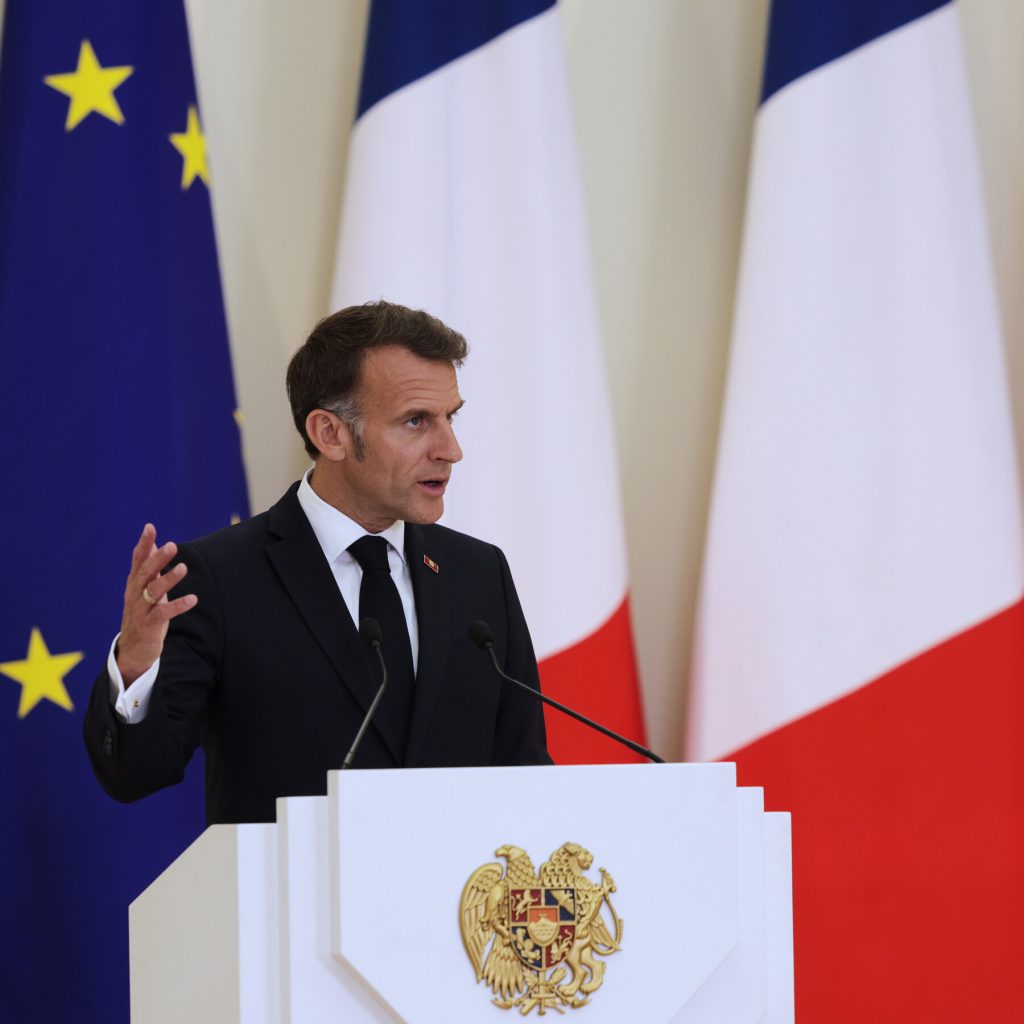
In a strategic move to safeguard the country’s centrist government, French President Emmanuel Macron has begun appointing key allies to critical state positions that will extend beyond his term, potentially limiting the power of a far-right successor.
As the French presidential election approaches next year, Macron’s tactics have sparked intense debate about the future of the nation’s leadership.
Updated: May 12, 2026
In a strategic move to safeguard the country’s centrist government, French President Emmanuel Macron has begun appointing key allies to critical state positions that will extend beyond his term, potentially limiting the power of a far-right successor. As the French presidential election approaches next year, Macron’s tactics have sparked intense debate about the future of the nation’s leadership. The implications of this move are being closely watched, both domestically and internationally.
France has long been a bastion of democratic values and a bellwether for European politics. The rise of far-right ideologies, however, has posed a significant challenge to the country’s centrist establishment, prompting concerns about the erosion of democratic norms and the potential for extremist policies to take hold. The appointment of Macron’s allies to key positions, including those in the judiciary, civil service, and other critical sectors, is seen as a bid to maintain a degree of continuity and stability in the face of an increasingly fragmented and polarized political landscape.
One of the primary concerns driving Macron’s strategy is the prospect of a far-right candidate, such as Marine Le Pen, winning the presidency in next year’s election. Le Pen’s National Rally party has gained significant traction in recent years, capitalizing on widespread discontent with the French establishment and the perceived failures of centrist policies. If a far-right leader were to assume the presidency, it could have far-reaching consequences for France’s domestic and foreign policy, potentially leading to a significant shift in the country’s relationship with the European Union and other global partners.
The impact of Macron’s move extends beyond France’s borders, with implications for the broader European project and the global fight against extremism. As a key player in European politics, France’s leadership has long played a significant role in shaping the continent’s policies and values. A far-right government in France could embolden similar movements across Europe, potentially destabilizing the region and undermining the European Union’s ability to promote democratic values and human rights.
The appointment of Macron’s allies to key positions has been met with a mixture of criticism and praise, reflecting the deep divisions within French society. While some see the move as a necessary measure to protect the country’s democratic institutions, others view it as a cynical attempt to undermine the democratic process and maintain the power of the centrist establishment. As the debate continues to unfold, it remains to be seen how Macron’s strategy will play out in the lead-up to the presidential election.
Macron’s move is also seen as a reflection of the increasingly precarious state of democratic politics in Europe. The rise of far-right and populist movements has posed a significant challenge to traditional centrist parties, forcing leaders to adapt and evolve in response to changing public sentiment. As the French presidential election approaches, all eyes will be on Macron’s allies and their ability to shape the country’s future, regardless of who wins the presidency.
Why this matters is that the outcome of the French presidential election will have significant implications for the future of European politics and the global fight against extremism. A far-right government in France could have a ripple effect, emboldening similar movements across the continent and potentially destabilizing the region. On the other hand, if Macron’s strategy is successful, it could provide a model for other centrist leaders to follow, helping to safeguard democratic institutions and promote stability in the face of rising extremism.
In the broader context of global politics, the French presidential election is being closely watched as a bellwether for the future of democratic values and the fight against extremism. As the world grapples with the challenges posed by rising nationalism and populist movements, the outcome of the French election will provide significant insight into the trajectory of global politics and the ability of democratic institutions to withstand the forces of extremism.
As the French presidential election approaches, the future outlook is increasingly uncertain. While Macron’s strategy has sparked intense debate, it remains to be seen how effective it will be in limiting the power of a far-right successor. One thing is certain, however: the outcome of the election will have significant implications for France, Europe, and the world, shaping the course of democratic politics and the global fight against extremism for years to come.
In the months ahead, all eyes will be on France as the country navigates this critical period in its history. The ability of Macron’s allies to shape the country’s future, regardless of who wins the presidency, will be closely watched, as will the response of far-right movements and the broader European community. As the global battle against extremism continues, the outcome of the French presidential election will provide a significant test of the resilience of democratic institutions and the ability of centrist leaders to adapt and evolve in response to changing public sentiment.
Macron's calculated move to appoint allies to key positions may be a necessary evil to protect France's democratic values, but it also raises important questions about the limits of presidential power and the potential for undermining the democratic process. Ultimately, the success of this strategy will depend on the ability of Macron's allies to balance stability with accountability, and to resist the temptation to entrench their own power at the expense