Europe warns of Russia’s hybrid attacks but struggles to counter them
  Former chief election commissioner calls SIR scheme illegal.
  A Corruption Scandal Is Reshaping Brazil’s Presidential Election
  US citizen injured in Illinois after ICE agents mistook him for fugitive, tried to arrest him
  At 10 years old, Smithsonian’s Black museum is undaunted amid pressure from Trump administration
 Meta Apologizes After Briefly Removing PM Modi’s Facebook Video, Renewing Debate Over Social Media Moderation
Meta has restored a Facebook video featuring Indian Prime Minister Narendra Modi after briefly removing it due to a technical error, sparking a debate about social media companies’ role in shaping public discourse and promoting free speech online.
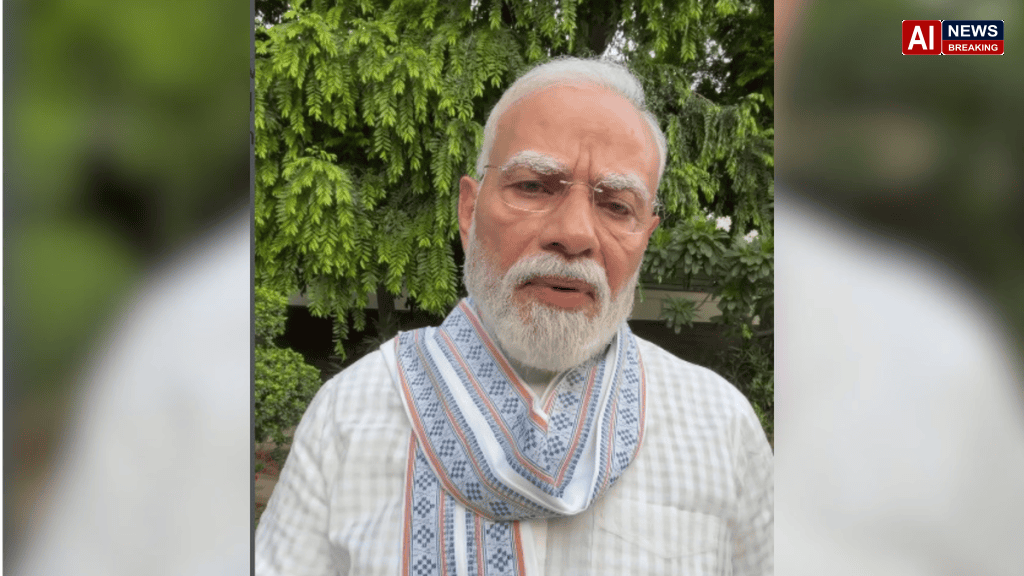
Meta Apologizes After Briefly Removing PM Modi's Facebook Video, Renewing Debate Over Social Media Moderation - AI News Breaking
meta apologizes briefly removing:
Meta, the U.S. tech giant, has issued an apology for briefly removing a Facebook video featuring Indian Prime Minister Narendra Modi addressing students. The video had been posted on the social media platform as part of Modi’s educational outreach programme.
News Highlights
- Meta briefly removed a Facebook video featuring Prime Minister Narendra Modi speaking to students.
- The company later stated that the removal occurred in error and restored the content.
- The incident sparked criticism from Indian policymakers and social media users.
- The controversy has renewed discussions about content moderation and free speech.
- India continues to play a major role in global debates surrounding technology regulation.
According to reports, the content was removed in error, sparking widespread criticism from Indian policymakers and users alike. The removal of the video has been condemned by many as a form of censorship and a stark example of the complex relationship between social media companies and governments. Critics have pointed out that Meta has a history of removing content that is deemed sensitive or controversial, often without proper explanation or justification..
This has led to concerns about the erosion of free speech on social media platforms. The incident has also raised questions about the criteria used by Meta to determine what content is acceptable and what is not. In a statement, Meta acknowledged that the video was mistakenly removed and apologised for any inconvenience this may have caused..
The company also stated that it would take steps to ensure that such incidents do not happen in the future. However, many have expressed skepticism about Meta’s claims, pointing out that the company’s algorithms and moderation policies are often opaque and difficult to understand. The removal of Modi’s video has sparked a heated debate about the role of social media in contemporary politics..
Some have argued that social media companies have a responsibility to monitor and regulate online content, in order to prevent the spread of misinformation and hate speech. Others have argued that this approach is a form of censorship, and that it undermines the principles of free expression and open discussion. Indian policymakers have been quick to condemn Meta’s actions, with several prominent politicians calling for greater regulation of the social media giant..
The Indian government has also weighed in, with officials stating that they will be conducting an investigation into the incident. This has led to concerns that the Indian government may try to exert greater control over Meta’s operations in the country. The incident has also raised questions about the relationship between social media companies and governments..
Social media platforms have become increasingly influential in shaping public opinion and facilitating communication between politicians and their constituents. However, this influence has also raised concerns about the potential for censorship and manipulation. Some have argued that social media companies have a responsibility to work with governments to prevent the spread of misinformation and hate speech..
Others have argued that this approach is a form of censorship, and that it undermines the principles of free expression and open discussion. The removal of Modi’s video has sparked a heated debate about the role of social media in contemporary politics. Some have argued that social media companies have a responsibility to monitor and regulate online content, in order to prevent the spread of misinformation and hate speech..
Meta’s apology has been met with a mixed response, with many Indian users expressing their relief that the video has been restored. However, others have expressed skepticism about Meta’s claims, pointing out that the company’s algorithms and moderation policies are often opaque and difficult to understand. The incident has also raised questions about the accountability of social media companies..
With billions of users around the world, social media companies have become increasingly powerful and influential. However, this influence has also raised concerns about their accountability and transparency. Meta’s actions have been seen as a stark example of the complex relationship between social media companies and governments..
The company has a history of removing content that is deemed sensitive or controversial, often without proper explanation or justification. The removal of Modi’s video has sparked a heated debate about the role of social media in contemporary politics. The incident has highlighted the need for greater transparency and accountability in social media companies, as well as the importance of protecting free speech and open discussion..
Indian policymakers have been quick to condemn Meta’s actions, with several prominent politicians calling for greater regulation of the social media giant. The incident has also raised questions about the relationship between social media companies and governments, and the potential for censorship and manipulation. Meta has stated that it will take steps to ensure that such incidents do not happen in the future..
However, many have expressed skepticism about the company’s claims, pointing out that the algorithms and moderation policies used by social media companies are often opaque and difficult to understand. In a statement, Meta apologised for any inconvenience the removal of the video may have caused, and stated that it would take steps to prevent similar incidents in the future. However, the incident has highlighted the need for greater transparency and accountability in social media companies, as well as the importance of protecting free speech and open discussion..
The removal of Modi’s video has sparked a heated debate about the role of social media in contemporary politics, and the need for greater transparency and accountability in social media companies..
Insight: This development highlights evolving dynamics and may have broader implications in the near term.