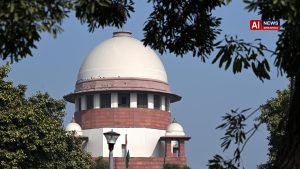
 Keralam’s multiplex pricing debate: SC order in 2023 permits cinema hall owners to fix food prices
  DMK chief Stalin accuses Tamil Nadu CM Vijay of using ‘reels’ to cover up administrative failures
  High Court pauses data centre lease dispute.
  CSD urges govt to drop Gram Sabha consent rule for projects
  Misery at Heathrow: ‘Never Seen Chaos Like That’
 Myanmar Government Forces Waging War against Rebel Groups in Rakhine State
** The Myanmar civil war has intensified, with government forces clashing with rebel groups in Rakhine State, resulting in widespread devastation, human rights abuses, and a growing humanitarian crisis, prompting international calls for restraint and a peaceful resolution.
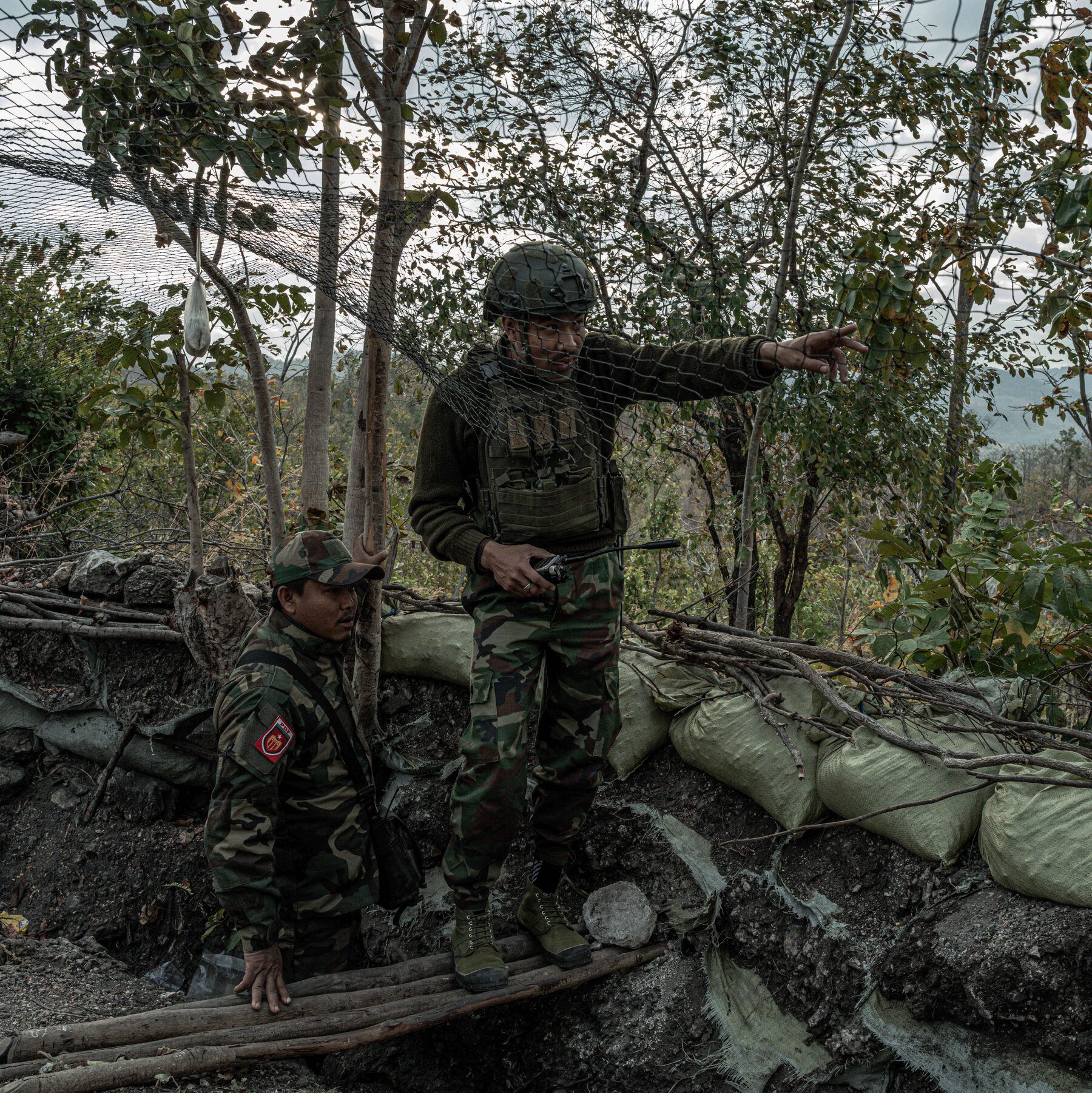
Myanmar’s Civil War Has Become an Apocalypse Years of simmering unrest in Myanmar’s western Rakhine state have escalated into a catastrophic civil war, with reports of atrocities and genocide casting a dark shadow over the region. The ongoing conflict has pitted a fragmented rebel coalition against the government, leaving a trail of death, despair, and devastation in its wake. Amidst the global focus on unfolding crises in Ukraine, Gaza, and Lebanon, the Myanmar civil war has fallen into relative obscurity, yet it remains a calamitous unfolding drama with profound human consequences..
The current crisis began with a military crackdown on a pro-democracy uprising in 2021, which saw the junta unleash a merciless campaign of violence against opponents, civilians caught in the crossfire, ethnic minority groups, and innocent bystanders. Since then, the situation has spiralled out of control, with rival insurgent factions seeking power, while the junta struggles to quell the rising tide of resistance. International condemnation has been muted, with the usual suspects failing to match their rhetoric with tangible action..
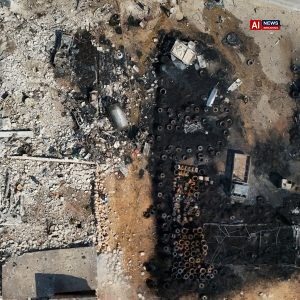
Rakhine, Myanmar’s westernmost state, is a land of contrasts, with lush forests, towering mountains, and verdant rivers sharing space with stark poverty, hunger, and desperation. The state has borne the brunt of sectarian clashes between Buddhists and Muslims in recent years, but the present civil war has taken the conflict to unprecedented heights. The military’s use of airpower, artillery, and other heavy weapons has resulted in catastrophic losses on both sides, leaving thousands dead, injured, or displaced..
Human rights groups and UN agencies have been at the forefront of calls for restraint, with the UN Special Envoy to Myanmar appealing for an end to the violence and a return to negotiations. However, the situation on the ground remains dire, with reports of summary executions, forced disappearances, torture, and other human rights abuses widespread and unchecked. The UN and other international bodies are scrambling to find ways to address the crisis, with aid pouring into the region..
Aid agencies face immense challenges in reaching remote areas, where fighting is most intense and the need for humanitarian assistance is most pressing. In some cases, relief workers are forced to navigate treacherous landscapes, navigating makeshift roads and makeshift settlements to get to those in need. The situation is further complicated by a dire shortage of resources, with food, shelter, medical care, and other essentials in short supply..
The economic impact of the conflict is equally severe, with Myanmar’s economy in free fall and the country teetering on the brink of collapse. Trade, commerce, and industry have ground to a halt, leaving millions without income or livelihoods. Inflation is rampant, and prices are skyrocketing as the value of the local currency plummets..
The crisis threatens to destabilize the wider region, with knock-on effects for neighboring countries including India, Bangladesh, and Thailand. The human cost of the conflict has been stark, with entire communities uprooted and scattered to the winds. Many are now living in squalid conditions, with makeshift settlements sprouting up around Rakhine state..
Those displaced are among the most vulnerable people on earth – women, children, the elderly, and those with disabilities – many of whom are in dire need of assistance. Meanwhile, the military junta continues to tighten its grip on power, using the conflict to justify a widening range of repressive measures. The regime has effectively silenced the free press, suppressed democratic institutions, and arrested scores of dissidents and activists..
The net effect is a culture of fear that pervades every aspect of life, stifling dissent and opposition. A recent UN report highlighted the devastating impact of the conflict on civilians, pointing to the widespread use of force, mass detentions, and other human rights abuses. The situation in the Rakhine region is, according to UN agencies, among the most complex and sensitive globally, calling for a concerted international effort to address humanitarian and human rights concerns..
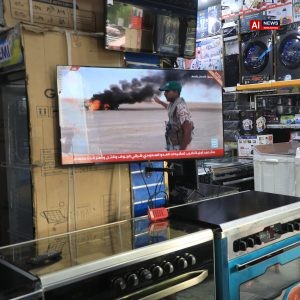
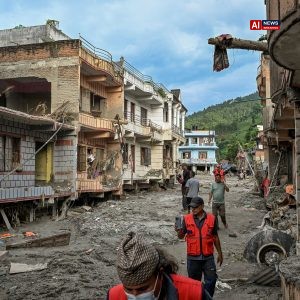
Faced with a seemingly intractable conflict, diplomats and international leaders are scrambling to find ways to intervene. However, any effort to broker a peaceful resolution is fraught with challenges, given the complexities of the crisis, the deep-seated ethnic and sectarian divides, and the entrenched interests of various parties involved. As the Myanmar civil war rages on, it’s not uncommon to see scenes of utter devastation unfolding on social media – homes reduced to rubble, fields laid waste, and people caught in the crossfire, fleeing from violence..
It is a visual record of a calamity in slow motion – a war that appears increasingly intractable, and one that has yet to yield a definitive outcome. For the Myanmar people, the human costs of this conflict will be incalculable for years to come. In the short term, many may be forced to flee their homes, lose their livelihoods, or suffer unimaginable trauma and pain..
In the longer term, the nation’s capacity for healing and rebuilding will be tested, amidst a backdrop of division, mistrust, and fear. As the world grapples with the evolving humanitarian and geopolitical implications of this conflict, it’s clear that Myanmar’s civil war will continue to pose major challenges for global diplomacy, human rights monitoring, and international intervention efforts for the foreseeable future..
Updated: June 24, 2026
The civil war in Myanmar continues to spiral out of control, with reports of widespread atrocities, genocide, and a catastrophic humanitarian crisis unfolding in the western Rakhine state. Thousands have been killed or displaced as rival insurgent factions and the military junta engage in a conflict that threatens to destabilise the wider region.
The international community’s muted response to Myanmar’s civil war has inadvertently emboldened the military junta’s authoritarian tendencies, perpetuating a cycle of violence and repression that threatens regional stability. The crisis underscores the need for a comprehensive and concerted effort to address the underlying drivers of the conflict, rather than relying on temporary fixes and symbolic gestures.