 Trump at South Florida rally revives the idea of military intervention in Cuba after Iran
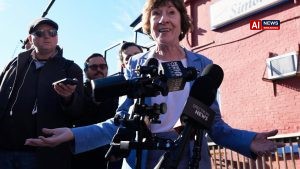
 Trump, seeking to help Maine Sen. Susan Collins, exempts some Canadian imports from his 50% tariffs
 Mississippi DEI ban can go into full effect after Fifth Circuit reversal
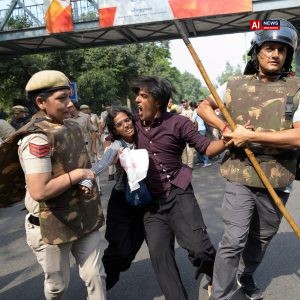
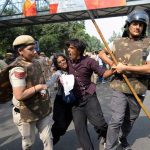 How Defiant Youth Are Testing India’s Idea of Democracy
 Netanyahu pushes hawkish
The Oct 7 terror attacks shattered Benjamin Netanyahu’s reputation as Israel’s invulnerable security chief. In a bid to salvage his standing, the prime minister has shifted to a more hawkish, “total‑war” stance—promising expanded missile defenses, accelerated Iron Beam development, and broader conscription. While right‑wing voters show modest support, centrists and leftists remain skeptical, fearing escalation and political opportunism as Israel heads toward a pivotal election.

Netanyahu Has Reinvented Himself. Will Voters Think It’s Enough? - AI News Breaking
Netanyahu Has Reinvented Himself. Will Voters Think It’s Enough? The October 7 attacks on Israeli civilians and soldiers dealt a severe blow to Prime Minister Benjamin Netanyahu’s long‑held reputation as the country’s unassailable security chief..
For more than a decade, the Likud leader has cultivated an image of unflinching vigilance, positioning himself as the man who could keep Israel safe from both external threats and internal dissent. The unprecedented scale of the Hamas onslaught, however, gaps in intelligence, preparedness and decision‑making that critics swiftly blamed on Netanyahu’s leadership. As the nation mourns more than 1,400 dead, the political fallout has become a central narrative in Israel’s looming election campaign..
In response, Netanyahu has embarked on a calculated re‑branding effort, presenting a more hawkish, combative version of his persona in an attempt to regain public confidence. Campaign rallies now feature him wielding a military‑style posture, emphasizing a “total war” doctrine against Hamas and other hostile actors. He repeatedly invokes the language of existential threat, promising to dismantle the militant infrastructure in Gaza and to impose stricter security measures throughout the West Bank..
This shift marks a departure from the more diplomatic, coalition‑building tone he occasionally adopted when courting centrist voters in previous elections. The new messaging is not merely rhetorical; it is accompanied by concrete policy proposals that seek to cement his security credentials. Netanyahu has pledged to expand Israel’s missile‑defence network, accelerate the development of the Iron Beam laser system, and allocate additional funds to the Israel Defense Forces for advanced training..
He also announced plans to extend compulsory military service for certain civilian sectors, a move intended to broaden the nation’s defensive capacity. These initiatives are framed as evidence that he has learned from the October 7 failure and is now better equipped to safeguard the country. Yet the electorate’s response to this reinvention remains mixed..
Polls conducted in the weeks following the attacks show a modest rise in Netanyahu’s approval among right‑wing voters, who view his hard‑line stance as essential in the face of ongoing rocket fire. Conversely, many centrist and left‑leaning Israelis express skepticism, questioning whether a more aggressive approach will lead to a cycle of retaliation and further civilian suffering. Social media commentary reflects a polarized landscape, with some praising the prime minister’s decisive tone and others warning that the rhetoric risks inflaming regional tensions..
Political opponents have seized upon the contrast between Netanyahu’s pre‑October 7 image and his current posture. Leaders of the centrist Yesh Atid party and the left‑wing Labor coalition argue that the prime minister is exploiting national tragedy to consolidate power, rather than addressing the underlying causes of the conflict. They call for a renewed focus on diplomatic engagement, humanitarian aid for Gaza’s civilian population, and a re‑evaluation of settlement policies that they claim fuel hostilities..
These critiques have resonated with voters fatigued by continuous conflict and yearning for a path toward stability. International observers are also weighing in on Netanyahu’s transformation. European diplomats note that while a strong security posture is understandable, the emphasis on military escalation could jeopardize prospects for a negotiated ceasefire and broader peace talks..
The United States, Israel’s key ally, has expressed cautious support for Israel’s right to self‑defence but urges restraint to avoid civilian casualties that could undermine diplomatic efforts. The balance Netanyahu must strike between satisfying domestic security demands and maintaining international legitimacy adds another layer of complexity to his electoral gamble. The domestic political arena is further complicated by coalition dynamics..
Netanyahu’s Likud party, though still the largest faction in the Knesset, lacks an outright majority and must negotiate with smaller right‑wing parties such as Religious Zionist and Otzma Yehudit. These allies often push for even more stringent security measures, including the annexation of parts of the West Bank, a proposition that could alienate moderate voters. Netanyahu’s challenge is to align his hawkish narrative with the pragmatic need to form a stable governing coalition that can pass legislation in a fragmented parliament..
Economic considerations also intersect with the security debate. The October 7 attacks triggered a sharp downturn in tourism, a sector that contributes significantly to Israel’s GDP. Small businesses in affected regions report revenue losses, and the government’s increased defence spending raises concerns about budgetary pressures..
Critics argue that Netanyahu’s focus on military solutions diverts attention and resources from economic recovery and social welfare programs. Voters who prioritize economic stability may be reluctant to endorse a platform that appears to prioritize war readiness over domestic prosperity. Public sentiment on the ground reflects a palpable wariness of prolonged conflict..
In cities like Tel Aviv and Haifa, demonstrations have been held demanding an end to the hostilities and a return to normal life. Families of the victims, while grieving, have voiced diverse opinions—some calling for uncompromising retaliation, others urging a swift path to ceasefire and humanitarian aid. These grassroots movements underscore the complexity of public opinion, which does not neatly align with any single political narrative..
The upcoming election will serve as a litmus test for Netanyahu’s reinvention. Should he secure a decisive mandate, it would signal voter endorsement of his hardened security agenda and potentially empower him to pursue more aggressive policies in Gaza and the West Bank. A weaker result, however, could compel the prime minister to moderate his tone and seek broader consensus, perhaps reopening space for diplomatic initiatives..
Analysts caution that the election outcome will not only shape Israel’s internal politics but also influence regional dynamics and the broader Middle East peace process. Ultimately, the question remains whether Netanyahu’s new hawkish persona can bridge the gap between a nation’s yearning for safety and its desire for a durable, peaceful resolution to the conflict. The October 7 attacks have irrevocably altered the political landscape, forcing both leaders and voters to reassess priorities..
As campaigning intensifies, Israelis are weighing.
Updated: October 24, 2026
Summary: Benjamin Netanyahu has reshaped his image into a hard‑line war‑leader, pledging expanded missile defenses, broader conscription and a “total war” strategy to recoup credibility after the October 7 Hamas attack. Voters remain split, with right‑wing support nudging up while centrists and leftists question whether the aggressive turn will deepen the conflict and strain Israel’s economy and international standing.
Netanyahu’s new “total‑war” persona may win him hard‑line voters, but it risks alienating the very moderates needed for a coalition that can govern. If he fails to temper this image, Israel’s political future could tilt further into polarization, undermining any realistic peace prospects.