Europe warns of Russia’s hybrid attacks but struggles to counter them
  Former chief election commissioner calls SIR scheme illegal.
  A Corruption Scandal Is Reshaping Brazil’s Presidential Election
  US citizen injured in Illinois after ICE agents mistook him for fugitive, tried to arrest him
  At 10 years old, Smithsonian’s Black museum is undaunted amid pressure from Trump administration
 Newborn Cheetahs Die in Kuno National Park Tragedy, Conservation Crisis Deepens
** In a devastating blow to conservation efforts, a family of cheetahs at the renowned Kuno National Park in India has suffered a heart-wrenching loss, with all four newborn cubs found dead. The global cheetah population teeters on the brink of extinction with only around 7,000 remaining in the wild. The tragedy highlights the ongoing challenge of managing human-leopard conflict and the need for sustained support and conservation efforts to safeguard the world’s fastest land animal and its habitat.
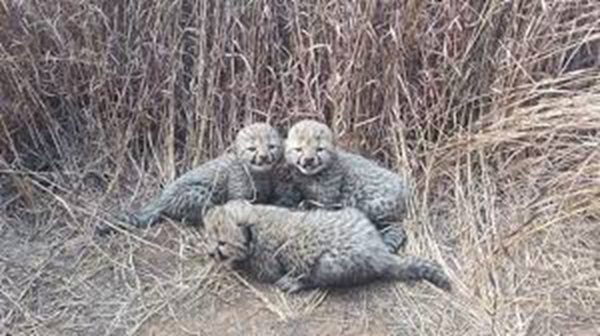
newborn cheetahs kuno national:
In a devastating blow to conservation efforts, a family of cheetahs at the renowned Kuno National Park in India has suffered a heart-wrenching loss, with all four newborn cubs found dead, sparking outrage and concern among wildlife experts.
The shocking discovery was made in the latest chapter of a long-standing struggle to protect the world’s fastest land animal, as the global cheetah population teeters on the brink of extinction with only around 7,000 remaining in the wild.
Updated: May 13, 2026
In a devastating blow to conservation efforts, a family of cheetahs at the renowned Kuno National Park in India has suffered a heart-wrenching loss, with all four newborn cubs found dead, sparking outrage and concern among wildlife experts.
The shocking discovery was made in the latest chapter of a long-standing struggle to protect the world’s fastest land animal, as the global cheetah population teeters on the brink of extinction with only around 7,000 remaining in the wild. Kuno National Park, a crucial sanctuary for the endangered species, had been home to a thriving cheetah breeding program, which had been hailed as a beacon of hope for the species’ survival.
Sources close to the investigation have revealed that the likely culprit behind the tragic deaths is a leopard, which preys on cheetah cubs as part of its natural behavior. The park’s officials have confirmed that the mother cheetah remains unharmed, indicating that she may have been driven away or separated from her cubs by the predator, leaving them vulnerable to attack.
Wildlife experts point out that this incident highlights the ongoing challenge of managing human-leopard conflict, where the big cat’s habitat encroaches upon farmland and human settlements, forcing it to adapt its feeding habits and pose a threat to other species, including endangered animals like the cheetah.
Kuno National Park, a 748-square-kilometer sanctuary, has been at the forefront of cheetah conservation efforts, with the Indian government investing millions of dollars in a breeding program aimed at doubling the global cheetah population by 2025. Despite these efforts, the recent tragedy serves as a stark reminder of the complexities and challenges involved in protecting endangered species.
According to officials, the park’s security and staff are reviewing footage and conducting a thorough inquiry to determine the circumstances surrounding the cubs’ deaths. Conservationists are urging the government to provide additional support for the breeding program and to strengthen security measures to safeguard the remaining cheetahs at the park.
Meanwhile, environmental activists have taken to social media to raise awareness about the plight of cheetahs, emphasizing the urgent need for continued support and conservation efforts. As the world grapples with the existential threats to biodiversity, the tragic fate of the Kuno National Park cheetah cubs serves as a poignant reminder of our collective responsibility towards the protection of endangered species.
As India continues to push forward with its ambitious conservation agenda, experts warn that more needs to be done to protect the cheetah and its habitat from threats both within and outside the park. The success of the breeding program will depend on a multifaceted approach, including habitat conservation, community engagement, and conflict mitigation strategies.
In a statement, the park’s director emphasized the need for sustained support from government agencies, conservation organizations, and local communities to ensure the long-term survival of the cheetah population. With the fate of the world’s fastest land animal hanging in the balance, stakeholders will be closely monitoring the situation and working towards a collective solution to protect this majestic creature.
The Kuno National Park tragedy underscores the pressing need for coordinated efforts and a more robust approach to wildlife conservation, as the world struggles to mitigate the impacts of human activity on ecosystems and species.
Why this matters
The tragic death of the four newborn cheetah cubs at Kuno National Park is a stark reminder of the ongoing struggles in protecting endangered species and the devastating consequences of human-wildlife conflict. As we grapple with the existential threats to biodiversity, it is crucial to recognize the urgent need for sustained support and conservation efforts to safeguard the world’s fastest land animal and its habitat.
Future outlook
In the wake of the Kuno National Park tragedy, there is a renewed sense of urgency and commitment to prioritize cheetah conservation. The Indian government has reiterated its commitment to doubling the global cheetah population by 2025 and is likely to review and strengthen its conservation efforts. International organizations and conservation groups will likely redouble their support for the breeding program and push for a more comprehensive approach to cheetah conservation.
With the clock ticking for the world’s fastest land animal, stakeholders must come together to ensure the long-term survival of the cheetah population. As we look towards a future where conservation efforts are more robust and effective, one thing is clear: the fate of the cheetah, and the ecosystems it inhabits, hangs precariously in the balance.
The heartbreaking loss of the four newborn cheetah cubs at Kuno National Park serves as a poignant reminder that conservation efforts are often hindered by the delicate balance between human and animal habitats. This tragedy highlights the urgent need for holistic approaches that address the complex interplay between human-wildlife conflict, habitat preservation, and community engagement.