 France deploys patrol fleet to curb Channel migrant crossings
  From a Nepal in Pain, a Young Leader Makes a Case for Climate Reparations
  Ukraine transfers two North Korean POWs to South Korea.
  Australia probes AI‑driven breach of My Health Record portal
  Engineering student’s ‘suicide’ turns out to be murder two arrested
 Nostalgia fuels far‑right gains in Europe elections.
**
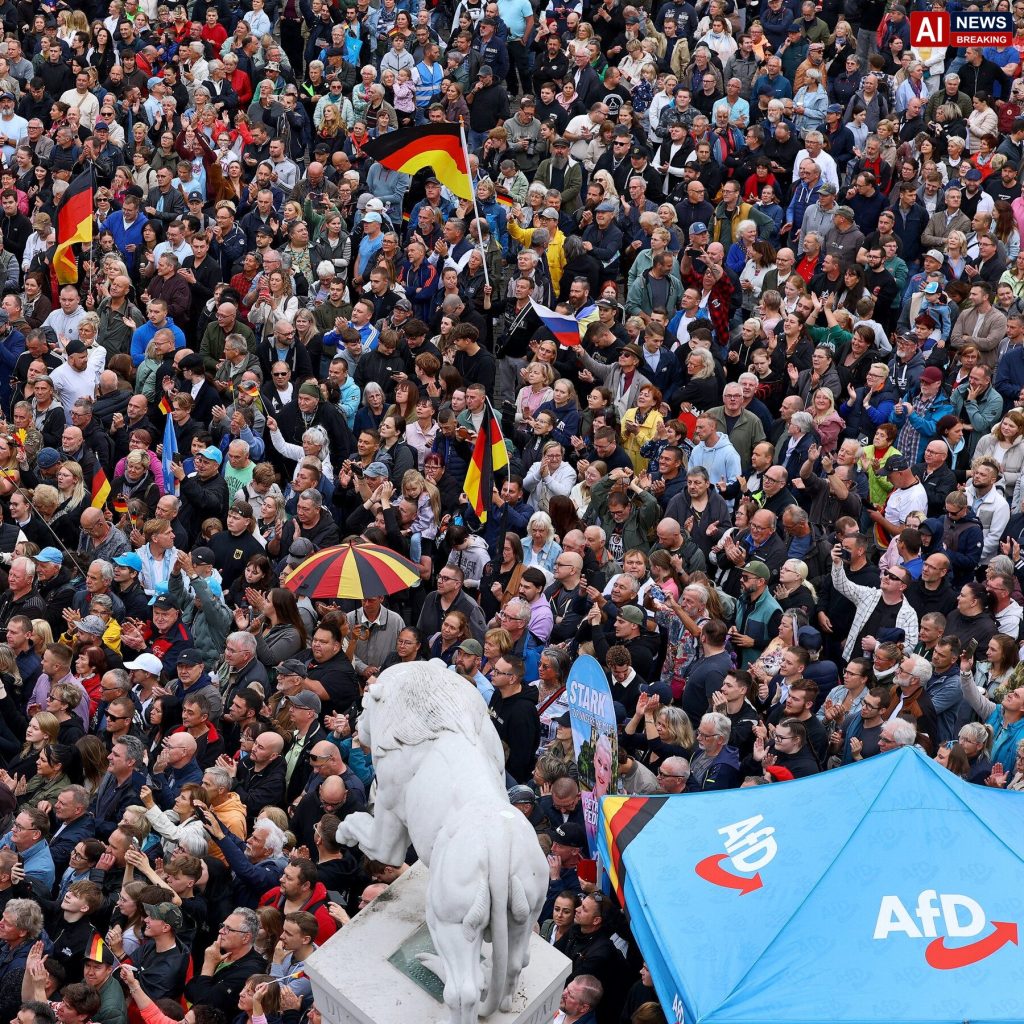
Nostalgia fuels far‑right gains in Europe elections. - AI News Breaking
nostalgia fuels farright gains:
The surge in support for far‑right parties across Europe has been linked by scholars to a complex mix of economic, cultural and psychological factors, yet one of the most persistent explanations points to a collective sense of nostalgia and a perceived loss of national pride. In countries such as France, Italy, Germany and the Baltic states, parties that foreground “authentic” national identity and warn of external threats have managed to translate disaffection into electoral gains. This pattern is not merely a reaction to tangible hardships; it also reflects a deeper yearning for a past that is imagined as more stable, cohesive and respectable.Researchers argue that the nostalgia feeding these movements is not solely about a return to previous political arrangements, but rather an emotional response to rapid social change..
Globalisation, technological innovation and the erosion of traditional industries have altered daily life for large segments of the population. Older workers in manufacturing, small‑town residents and those whose livelihoods depend on regional supply chains often feel left behind by a Europe that appears to reward cosmopolitan elites while neglecting local concerns. The feeling of being “adrift” is amplified by media narratives that portray immigration, EU regulations and climate policies as existential threats to a way of life that once seemed self‑evident.The rhetorical strategies employed by far‑right parties capitalize on this sentiment..
Leaders such as Marine Le Pen, Matteo Salvini and Viktor Orbán repeatedly invoke images of a golden past, emphasizing cultural homogeneity, strong borders and sovereign decision‑making. Campaign slogans and social‑media posts frequently juxtapose glossy depictions of historic monuments with bleak portrayals of contemporary urban chaos, reinforcing the notion that the nation’s former greatness has been squandered. By framing contemporary challenges as assaults on national identity, these parties create a clear, emotionally resonant narrative that simplifies complex policy debates into a binary struggle between “us” and “them”.Data from recent elections suggest that this narrative resonates particularly with voters who have experienced a decline in economic security..
In France’s 2022 legislative vote, for instance, the National Rally captured a record share of seats in regions where unemployment has risen above the national average and where factory closures have been frequent. Similar patterns emerged in Italy’s 2022 general election, where the League performed best in the industrial north, an area hit hard by competition from cheaper imports and the shift toward service‑oriented economies. While economic grievances alone do not account for the rise of the far right, they provide fertile ground for messages that promise a return to a more secure, proud national identity.The phenomenon is also evident in newer EU member states, where historical memories of foreign domination play a pivotal role..
In the Baltic nations, parties such as Estonia’s EKRE and Latvia’s National Alliance draw upon narratives of resistance against Soviet rule, linking contemporary concerns about migration and cultural dilution to a broader story of defending sovereignty. This historical lens reinforces the idea that the nation’s dignity is under siege, a sentiment that can be mobilised by politicians who claim to be the guardians of the nation’s authentic heritage.Critics of the nostalgia thesis caution against reducing voter behaviour to sentiment alone. They note that far‑right parties also benefit from organisational advantages, state funding rules, and strategic alliances that amplify their reach..
Moreover, the appeal of nationalism can intersect with other issues, such as skepticism towards climate policy or dissatisfaction with perceived elite corruption. Nevertheless, surveys consistently reveal that feelings of pride and belonging are central to the motivations of far‑right supporters. A 2023 Eurobarometer poll found that 63 % of respondents who voted for far‑right parties cited “a desire to protect our cultural values” as a primary reason, compared with 34 % who mentioned economic concerns.The media’s role in shaping and reinforcing nostalgia is a further point of analysis..
Television programmes, popular literature and online platforms often romanticise past eras, presenting them as times of social cohesion and moral clarity. At the same time, sensationalist coverage of immigration incidents or crime can create a perception that present realities are deteriorating. In this environment, far‑right actors find it easier to link contemporary anxieties to a nostalgic ideal, presenting themselves as the only forces capable of restoring “order” and “pride”..
The feedback loop between media representation and political messaging thus deepens the emotional resonance of the nationalist appeal.Policy responses to this trend have varied across the continent. Some governments have sought to address underlying economic insecurities through targeted investment in decaying regions, aiming to reduce the sense of abandonment that fuels nostalgic yearning. Others have attempted to counter far‑right narratives by promoting inclusive civic education that emphasises shared European values alongside national traditions..
However, the effectiveness of these measures is difficult to assess, as the emotional component of nostalgia often resists purely material solutions. A holistic approach that combines economic revitalisation with cultural dialogue appears increasingly necessary.Looking ahead, the persistence of nostalgia‑driven politics will likely depend on the trajectory of broader societal changes. If economic disparities continue to widen and if citizens feel that their cultural identities are being diluted by rapid demographic shifts, far‑right parties may maintain, or even expand, their appeal..
Conversely, successful integration policies, transparent governance and visible improvements in living standards could erode the perception that the nation’s past was inherently superior. The challenge for mainstream parties is to acknowledge genuine grievances without capitulating to exclusionary rhetoric, thereby offering a vision of progress that does not require the abandonment of national pride.In sum, the rise of Europe’s far‑right cannot be reduced to a single cause, but the interplay of nostalgia and perceived loss of pride remains a powerful catalyst. By tapping into collective memories of a supposedly better past, these movements transform economic and social anxieties into a coherent, emotionally charged political agenda..
Understanding this dynamic is essential for policymakers, scholars and citizens alike, as it offers a lens through which to interpret current electoral shifts and to devise strategies that address both the material and symbolic dimensions of contemporary European life..
Updated: September 21, 2026
Scholars link Europe’s far‑right surge to a nostalgic longing for perceived national glory, amplified by economic insecurity and cultural anxiety. Parties in France, Italy, Germany and the Baltics exploit this sentiment, framing contemporary challenges as assaults on identity to mobilise disaffected voters.
Insight: The nostalgia‑fuelled surge of far‑right parties signals that Europe’s democratic fabric is being reshaped by an emotional calculus that prizes imagined past glory over concrete policy, forcing mainstream forces to re‑engineer credibility through tangible inclusion rather than symbolic gestures. If governments fail to marry economic revitalisation with a respectful dialogue on identity, the “us‑vs‑them” narrative will harden into a durable electoral fault line, eroding liberal consensus across the continent.