Europe warns of Russia’s hybrid attacks but struggles to counter them
  Former chief election commissioner calls SIR scheme illegal.
  A Corruption Scandal Is Reshaping Brazil’s Presidential Election
  US citizen injured in Illinois after ICE agents mistook him for fugitive, tried to arrest him
  At 10 years old, Smithsonian’s Black museum is undaunted amid pressure from Trump administration
 PM Modi Issues Call to Action Amid Soaring Fuel Prices in India
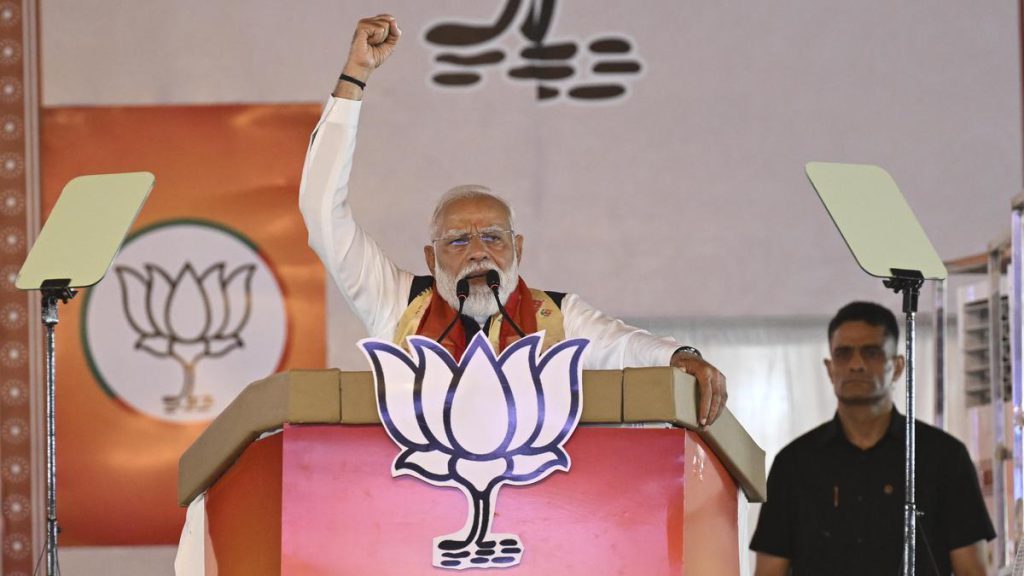
modi issues call action:
Indian Government’s Call to Action: Weighing Economic and Political Consequences
Summary: In an effort to mitigate the ongoing fuel crisis and alleviate pressure on the Indian economy, Prime Minister Narendra Modi has issued a public appeal to citizens to reduce fuel consumption and avoid non-essential foreign travel.
The Prime Minister has also suggested reviving pre-pandemic remote work practices.
Updated: May 10, 2026
Indian Government’s Call to Action: Weighing Economic and Political Consequences
In an effort to mitigate the ongoing fuel crisis and alleviate pressure on the Indian economy, Prime Minister Narendra Modi has issued a public appeal to citizens to reduce fuel consumption and avoid non-essential foreign travel. The Prime Minister has also suggested reviving pre-pandemic remote work practices.
Core News: PM Modi’s appeal comes amidst soaring fuel prices, driven by global oil market fluctuations, geopolitical tensions, and supply chain disruptions. The Indian government has been grappling with the economic impact of the fuel crisis, which has spilled over into other sectors, including transportation, industry, and consumer goods.
Impact Analysis: The Prime Minister’s call to action will likely have a ripple effect across various sectors of the Indian economy. Reduced fuel consumption may lead to:
1. Short-term economic relief: Lower fuel prices could ease the financial burden on households and businesses, fostering a temporary reprieve from the economic downturn.
2. Increased adoption of digital infrastructure: Remote work and online meetings may accelerate the adoption of digital technologies, leading to long-term productivity gains and cost savings for businesses.
3. Job market implications: The shift towards remote work may disrupt traditional employment patterns, particularly in industries reliant on office-based work. However, it may also create new opportunities for remote work and freelancing.
However, there are also potential risks and implications:
1. Economic contraction: Sustained reduced fuel consumption could exacerbate existing economic slowdown, particularly in sectors directly dependent on fuel usage.
2. Disruption of supply chains: Avoidance of non-essential foreign travel may lead to supply chain disruptions, as Indian businesses rely on international partnerships and trade.
3. Humanitarian impact: Reduced foreign travel and social distancing measures may disproportionately affect sectors like tourism, hospitality, and healthcare.
Broader Implications: PM Modi’s appeal holds implications beyond India’s borders, reflecting the global nature of the fuel crisis and the need for coordinated action:
1. Global energy politics: The Indian government’s response to the fuel crisis highlights the complex interactions between national energy policies, global oil market dynamics, and regional geopolitics.
2. Climate change agenda: India’s efforts to reduce fuel consumption may contribute to global climate change mitigation efforts, particularly as the country transitions towards cleaner energy sources.
3. Economic decoupling: The Indian government’s appeal may foreshadow a potential shift towards economic decoupling from global supply chains and energy markets, reflecting a growing trend among nations seeking greater self-sufficiency.
As the global energy landscape continues to evolve, India’s efforts to mitigate the fuel crisis may serve as a model for other nations seeking to balance economic growth with environmental and energy security considerations.
The prime minister's appeal is a double-edged sword – by urging Indians to conserve fuel, Modi may be temporarily stabilizing the economy, but he's also potentially accelerating a shift towards digital infrastructure that could render some industries obsolete, and that will undoubtedly have a lasting cultural imprint on Indian society.