Europe warns of Russia’s hybrid attacks but struggles to counter them
  Former chief election commissioner calls SIR scheme illegal.
  A Corruption Scandal Is Reshaping Brazil’s Presidential Election
  US citizen injured in Illinois after ICE agents mistook him for fugitive, tried to arrest him
  At 10 years old, Smithsonian’s Black museum is undaunted amid pressure from Trump administration
 Keir Starmer Says He Won’t Resign as Pressure Builds Inside Labour: What Happens If Rivals Move Against Him
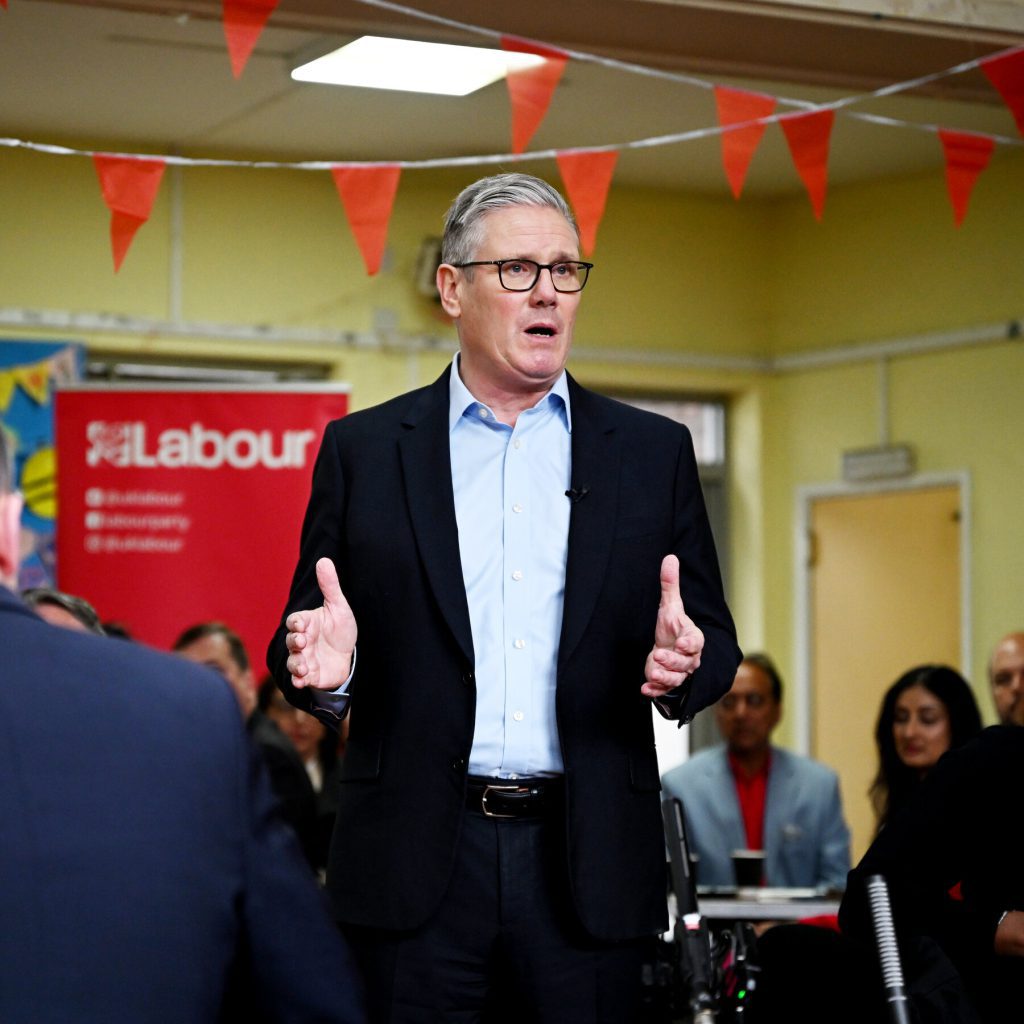
keir starmer says wont:
British Prime Minister Keir Starmer has firmly rejected calls to resign despite growing political pressure and criticism within the Labour Party. However, speculation is intensifying over whether dissatisfied MPs or party factions could eventually attempt to challenge his leadership.
Keir Starmer Says No, He Won’t Resign
British Prime Minister Keir Starmer has made it clear that he has no intention of resigning, despite intensifying political criticism, internal dissatisfaction, and growing media speculation about his future. The Labour leader’s blunt refusal to entertain stepping aside has reignited debate across Westminster about the stability of his leadership and whether rivals inside his own party might eventually attempt to remove him.
Starmer’s position comes at a politically delicate moment. Labour entered government promising competence, economic recovery, and stability after years of Conservative turmoil. Yet governing Britain has proved far more difficult than campaigning for office. Rising public frustration over living costs, strained public services, migration pressures, and economic stagnation has created a difficult environment for the government.
Although Starmer continues to insist he remains focused on governing, murmurs inside Labour suggest not everyone is convinced the party’s current direction is sustainable. Critics argue that Labour has struggled to define a compelling post-election vision beyond restoring stability. Supporters, meanwhile, insist Starmer inherited deep structural problems and deserves more time.
The immediate question now dominating political discussion is not whether Starmer wants to resign — he clearly does not — but what would happen if opponents inside Labour decided to challenge him.
Why Pressure on Starmer Is Growing
Political pressure rarely emerges from a single issue. Instead, it builds gradually through a combination of electoral disappointments, policy disputes, media narratives, and declining confidence among party members.
For Starmer, several factors have contributed to growing unease.
Economic Challenges
Britain’s economic environment remains fragile. Inflation pressures, sluggish growth, and continuing strain on household finances have complicated Labour’s attempts to present itself as the party of renewal.
Voters often judge governments less on inherited problems and more on current conditions. If living standards fail to improve quickly enough, frustration can rapidly shift toward the incumbent government.
Critics inside Labour fear that patience among voters could evaporate before the next election cycle. Some MPs worry that if Labour loses momentum too early in government, the opposition could regain ground faster than expected.
Public Services Under Pressure
The National Health Service, local councils, transportation systems, and social care sectors continue facing major operational and financial challenges. Labour promised managerial competence and improved delivery, but structural problems built over years cannot be reversed quickly.
Opposition figures and sections of the media have increasingly accused the government of failing to deliver sufficiently visible improvements.
Inside Labour, some MPs fear the government risks appearing technocratic and cautious at a time when many voters want bold reforms.
Internal Ideological Tensions
Labour remains a broad coalition containing centrists, soft-left reformers, trade union allies, environmental campaigners, and progressive activists.
Starmer spent years reshaping Labour after the Jeremy Corbyn era, moving the party toward the political center to improve electoral appeal. That strategy succeeded electorally, but it also left lingering resentment among some factions who believe Labour abandoned more transformative economic and social policies.
While open rebellion remains limited, ideological tensions have never completely disappeared.
Electoral Warning Signs
Even small electoral setbacks can trigger panic inside British political parties. Local election losses, declining approval ratings, or poor by-election performances often become symbolic indicators of larger political vulnerability.
If Labour experiences disappointing results in upcoming contests, pressure on Starmer could intensify dramatically.
Why Starmer Is Refusing to Step Down
Despite criticism, Starmer appears determined to project stability and authority.
That calculation is rooted in political reality.
Prime ministers who publicly show uncertainty about their future often accelerate their own downfall. British politics rewards confidence and punishes visible weakness. Any sign that Starmer is considering resignation could encourage rivals, alarm markets, and damage Labour’s credibility.
By rejecting resignation talk outright, Starmer is attempting to send several messages simultaneously:
- He remains in control.
- The government is focused on governing rather than internal drama.
- Labour should avoid repeating the chaos associated with recent Conservative leadership battles.
- Critics lack sufficient support to remove him.
His allies argue that replacing a prime minister too quickly would create instability precisely when Britain needs consistency.
Supporters also point out that Starmer still commands institutional advantages:
- He leads the governing party.
- He controls Cabinet appointments.
- He maintains relationships with major Labour figures and unions.
- No obvious successor has yet unified the party.
Those factors matter enormously in leadership politics.
How Could a Leadership Challenge Actually Happen?
British prime ministers are not directly elected by the public in presidential-style contests. They remain in office as long as they command support inside Parliament and their political party.
That means Starmer’s greatest political threat would almost certainly come from Labour MPs rather than opposition parties.
Stage 1: Growing Internal Dissent
Leadership challenges typically begin informally.
MPs start speaking anonymously to journalists. Former ministers criticize strategy publicly. Party factions organize quietly behind alternative figures. Donors and union leaders express concern.
Initially, most politicians avoid direct confrontation because failed rebellions can end careers.
The crucial factor is momentum. Once MPs begin believing a leader may be vulnerable, criticism can spread rapidly.
Stage 2: Cabinet Instability
Cabinet resignations often become a major warning sign.
If senior ministers publicly distance themselves from Starmer or resign over policy disagreements, speculation about leadership instability would intensify.
British political history shows that once Cabinet unity collapses, leadership survival becomes far harder.
Stage 3: Formal Challenge Mechanisms
Labour’s internal rules determine how leadership contests unfold.
Although rules can evolve, generally a challenger would need sufficient nominations from Labour MPs and affiliated groups to trigger a formal contest.
Potential challengers might include:
- Senior Cabinet ministers
- Popular regional figures
- Former leadership contenders
- Rising younger politicians seeking generational change
However, organizing a credible challenge is extremely difficult without broad parliamentary support.
Stage 4: Party Membership Vote
If a formal contest proceeds, Labour members and affiliated organizations may play a role in selecting the leader, depending on the party’s current rules.
This stage introduces unpredictability because grassroots members sometimes prefer candidates different from those favored by MPs.
That tension has shaped Labour politics repeatedly over the past decade.
Could Starmer Be Removed Without Resigning?
Yes.
In Westminster systems, leaders can effectively be forced out even if they refuse to leave voluntarily.
This can happen through several mechanisms:
Loss of Parliamentary Support
If enough Labour MPs conclude Starmer is damaging the party electorally, they could pressure him privately to resign.
Prime ministers who lose confidence inside their own parliamentary party often become politically unsustainable.
Cabinet Revolt
Mass ministerial resignations can make governing nearly impossible.
This strategy was used effectively against several previous British leaders.
Formal Internal Vote
If Labour rules permit, MPs or party members could initiate a leadership challenge through internal procedures.
Election Defeat Pressure
Heavy electoral setbacks often accelerate leadership crises.
Parties focused on survival may decide a leadership change is necessary before a national election.
Does Labour Actually Want Another Leadership Battle?
Many Labour figures are deeply cautious about reopening leadership warfare.
The party spent years divided during internal ideological conflicts that damaged its electoral standing. After finally returning to government, many MPs fear renewed infighting could undermine public trust.
That fear currently works in Starmer’s favor.
Even critics who disagree with his policies may hesitate to destabilize the government unless they believe conditions have become truly untenable.
Labour strategists also know voters often punish parties perceived as chaotic or internally obsessed.
This political memory remains powerful after Britain witnessed repeated Conservative leadership crises in recent years.
Who Could Replace Starmer?
At present, there is no universally accepted successor waiting in the wings.
Several names are often discussed in political circles, but each carries strengths and weaknesses.
Potential contenders could include:
- Senior economic ministers
- Experienced Cabinet figures
- Younger reform-oriented politicians
- Prominent regional leaders
However, succession politics inside Labour are highly sensitive.
Any politician seen openly maneuvering too aggressively against a sitting prime minister risks backlash from colleagues and voters alike.
For now, most ambitious figures are likely monitoring conditions carefully rather than launching overt campaigns.
How the Media Shapes Leadership Crises
British political media plays a major role in leadership speculation.
Once newspapers, broadcasters, and political commentators begin focusing heavily on leadership instability, narratives can snowball quickly.
Constant questions about resignation create an atmosphere of uncertainty even if no formal challenge exists.
Political journalists often interpret:
- Poor polling
- Awkward interviews
- Policy reversals
- Backbench criticism
- Cabinet disagreements
as signs of weakening authority.
Leaders who successfully shut down such speculation usually do so by:
- Winning elections
- Delivering strong economic results
- Restoring party discipline
- Demonstrating command during crises
Starmer’s challenge is not merely surviving criticism, but convincing both the public and Labour MPs that his leadership remains electorally valuable.
Historical Lessons From British Politics
British political history is full of leaders who initially insisted they would not resign — until political pressure became overwhelming.
Examples across parties show common patterns:
- declining authority,
- growing internal dissent,
- Cabinet fractures,
- electoral losses,
- and finally resignation or removal.
However, history also shows that some leaders survive periods of intense speculation and later recover politically.
The decisive factor is usually whether MPs still believe the leader can win future elections.
Political loyalty in Westminster systems is often closely tied to perceived electability.
What Happens Next?
For now, Starmer remains firmly in charge.
There is no formal leadership challenge underway, and Labour’s internal machinery still appears largely aligned behind him. But politics can shift quickly.
Several developments could determine his future over the coming months:
Economic Performance
If inflation eases and living conditions improve, pressure may decline significantly.
Electoral Results
Strong local or regional election performances could stabilize Starmer’s authority.
Party Unity
Avoiding visible factional warfare will remain critical.
Policy Delivery
Labour needs tangible achievements that voters can clearly identify.
Public Confidence
Leadership stability ultimately depends on whether voters continue viewing Starmer as a credible national leader.
The Bigger Political Picture
The debate around Starmer’s future reflects a broader challenge facing center-left governments across Western democracies.
Many voters demand rapid improvements in economic security, housing affordability, migration management, healthcare access, and wages. Governments that fail to deliver visible progress quickly can face intense backlash regardless of inherited conditions.
Starmer’s political balancing act is especially difficult because he must simultaneously:
- reassure markets,
- maintain Labour unity,
- satisfy progressive expectations,
- manage public finances,
- and retain broad middle-class electoral support.
That balancing act leaves little room for political error.
Conclusion
Keir Starmer has made one thing unmistakably clear: he does not intend to resign. But in British politics, leadership survival is determined not only by personal resolve, but by parliamentary support, party unity, electoral performance, and public confidence.
At the moment, Starmer still possesses the institutional advantages of incumbency and the absence of a clear rival. Yet the speculation surrounding his future reveals growing anxiety inside British politics about Labour’s direction, governing strategy, and long-term electoral prospects.
Whether this becomes a passing phase of political turbulence or the beginning of a deeper leadership crisis will depend largely on the months ahead — especially the economy, election results, and whether Labour MPs continue believing Starmer remains their strongest path to power.
AI Insight
Leadership crises in Britain often begin long before formal challenges emerge. The most important indicator is not public criticism, but private calculations inside Parliament. As long as Labour MPs believe replacing Starmer could be riskier than keeping him, he is likely safe. But if enough lawmakers conclude that his leadership threatens Labour’s future electoral prospects, political momentum could shift with surprising speed.
For now, Starmer’s strategy is straightforward: project authority, avoid panic, and convince both voters and MPs that stability under his leadership remains preferable to another period of internal political warfare.