Europe warns of Russia’s hybrid attacks but struggles to counter them
  Former chief election commissioner calls SIR scheme illegal.
  A Corruption Scandal Is Reshaping Brazil’s Presidential Election
  US citizen injured in Illinois after ICE agents mistook him for fugitive, tried to arrest him
  At 10 years old, Smithsonian’s Black museum is undaunted amid pressure from Trump administration
 Rajasthan Reports 535 Farmer Deaths Linked to Unsafe Pesticide Use Over Two Years, Raises Safety Concerns
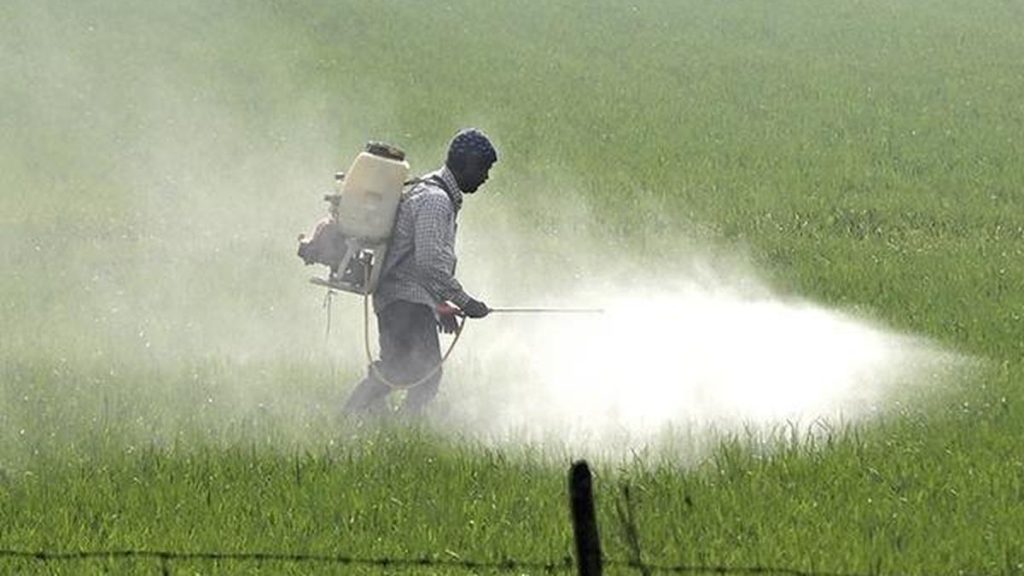
rajasthan reports farmer deaths:
Rajasthan has reported 535 deaths of farmers and agricultural workers linked to unsafe pesticide use between January 2024 and 2026. Officials say many cases are tied to improper handling, lack of protective equipment, and indiscriminate spraying practices. Authorities stress that most fatalities could be prevented with adherence to safety protocols.
A troubling public health and agricultural safety crisis has emerged in Rajasthan, where 535 farmers and agricultural labourers reportedly died between January 2024 and 2026 due to unsafe pesticide use, according to official departmental data.
The figures have raised serious concerns about occupational safety in one of India’s largest agricultural states, where pesticide use is widespread across crops such as wheat, mustard, cotton, and vegetables.
Officials have attributed the deaths not only to exposure to toxic chemicals but also to what they describe as “failure to adopt necessary safety measures” during pesticide spraying, along with “indiscriminate and unsafe use” of chemical agents in farming practices.
Agriculture remains one of India’s largest employment sectors, but also one of the most hazardous. Unlike industrial workers in regulated environments, many farmers and agricultural labourers operate with limited protective infrastructure, minimal training, and irregular access to safety equipment.
The Rajasthan data highlights a pattern of risk that has been increasingly documented across parts of rural India: pesticide exposure during mixing, spraying, and storage, often without proper protective gear.
Experts note that acute pesticide poisoning can occur through:
- Inhalation of chemical fumes during spraying
- Skin contact while mixing concentrated solutions
- Contaminated clothing and equipment
- Improper storage of pesticides in residential or farm areas
In severe cases, exposure can lead to respiratory failure, neurological damage, or multi-organ toxicity.
The department’s statement attributes the fatalities to preventable causes, emphasizing that many incidents could have been avoided with basic safety compliance.
Key risk factors identified include:
- Lack of protective masks, gloves, and full-body clothing
- Overuse or incorrect dilution of pesticide chemicals
- Spraying in high-temperature or windy conditions
- Poor awareness of toxicity levels among small and marginal farmers
- Inadequate training on safe pesticide handling
Officials stressed that while pesticides are an essential part of modern agriculture, their misuse significantly increases health risks.
Pesticides play a central role in protecting crops from pests, weeds, and disease outbreaks, thereby contributing to food security and yield stability.
However, agricultural scientists have long warned that improper use can transform these tools into public health hazards. The risk is particularly high in regions where:
- Small landholdings limit access to mechanised spraying
- Informal labour dominates farm operations
- Regulatory oversight of pesticide distribution is uneven
- Farmers rely on informal advice from local vendors
In such environments, pesticide exposure becomes less a controlled agricultural input and more a routine occupational hazard.
Despite existing guidelines under agricultural safety frameworks, enforcement remains uneven across rural India.
Challenges include:
- Limited field-level inspections
- Fragmented supply chains for agrochemicals
- Inadequate farmer outreach programs
- Low penalty enforcement for unsafe distribution practices
As a result, regulatory frameworks often fail to translate into behavioural change on the ground.
Behind the figure of 535 deaths lies a broader social reality of rural vulnerability. Many of those affected are small-scale farmers or daily wage agricultural workers who operate under economic pressure, where productivity often takes precedence over safety.
In such conditions, protective equipment may be seen as an added cost, and safety training as inaccessible or impractical.
This creates a structural risk environment where exposure becomes routine rather than exceptional.
The Rajasthan pesticide mortality data underscores a recurring governance gap in agricultural safety: technological inputs such as pesticides are widely adopted, but corresponding institutional safeguards—training, enforcement, and protective infrastructure—lag significantly behind. The result is a predictable pattern where productivity-enhancing tools generate unintended public health costs. Sustainable reform will depend not only on restricting hazardous chemicals but also on embedding occupational safety as a core component of agricultural policy design rather than an auxiliary concern.
This is a developing story. More updates will follow as new information becomes available.