Europe warns of Russia’s hybrid attacks but struggles to counter them
  Former chief election commissioner calls SIR scheme illegal.
  A Corruption Scandal Is Reshaping Brazil’s Presidential Election
  US citizen injured in Illinois after ICE agents mistook him for fugitive, tried to arrest him
  At 10 years old, Smithsonian’s Black museum is undaunted amid pressure from Trump administration
 Renewed Iran Conflict Sparks Oil Price Hike and Stock Market Jitters
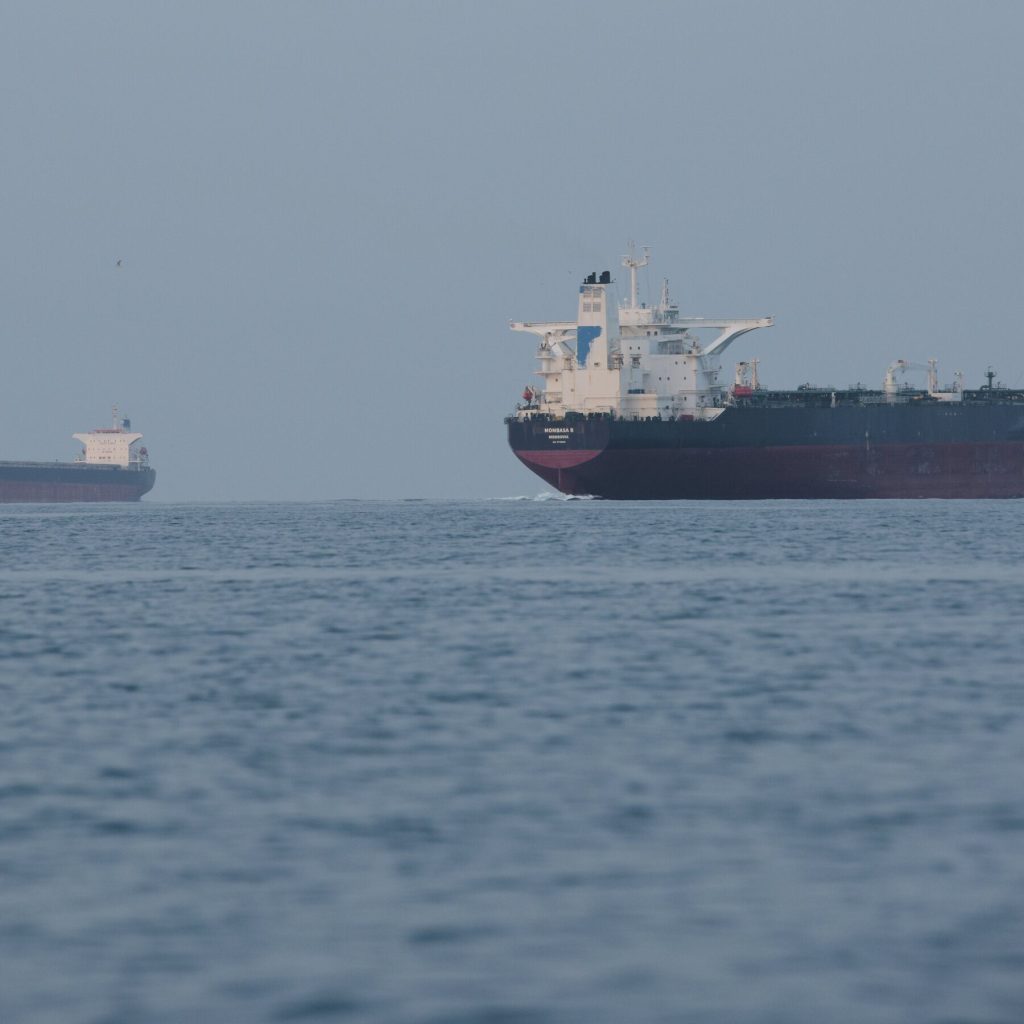
Global oil prices surged while stock futures plummeted as tensions between the US and Iran escalated, dashing hopes of a peaceful resolution. The sudden shift in market sentiment came after a weekend of intense developments in the conflict.
The recent escalation of tensions between the US and Iran has sent shockwaves through the global financial markets, causing oil prices to jump and stock futures to fall. This sudden shift in market sentiment came after a weekend of intense developments in the conflict, which had initially sparked hopes of a peaceful resolution among traders on Friday. However, the renewed conflict has now led to a significant increase in oil prices, as investors fear a potential disruption in global oil supplies.
The rise in oil prices has also led to a decline in stock futures, as investors become increasingly wary of the potential impact of the conflict on the global economy. The Dow Jones and other major stock indices are expected to fall as the markets open, reflecting the growing uncertainty and volatility in the market. Traders are now closely monitoring the situation, awaiting further developments and potential responses from the US and Iranian governments.
Recent developments—including military actions, seizures of vessels, and threats of retaliation—have cast doubt over the safety of shipping routes. As a result, crude oil prices surged sharply:
- Brent crude climbed to around $96 per barrel
- U.S. WTI crude approached $90 per barrel
- Prices jumped 6–7% in a single session following renewed escalation
The conflict between the US and Iran has been ongoing for several months, with both sides engaging in a war of words and sporadic military confrontations. The latest development has raised concerns about the potential for a wider conflict, which could have far-reaching consequences for the global economy and oil markets. As the situation continues to unfold, investors are advised to exercise caution and closely monitor market developments.
The increase in oil prices is also likely to have a significant impact on consumers, who may face higher fuel costs and increased prices for goods and services. The potential disruption to global oil supplies could also lead to shortages and further price increases, exacerbating the economic impact of the conflict. As the situation continues to evolve, it remains to be seen how the US and Iranian governments will respond, and what the ultimate outcome of the conflict will be.
The global financial markets are now bracing for a potentially volatile week, as investors await further developments in the conflict. The impact of the renewed tensions on the global economy and oil markets will be closely watched, as traders and investors seek to navigate the uncertain landscape. With the situation continuing to unfold, one thing is certain – the conflict between the US and Iran will have far-reaching consequences for the global economy and financial markets.
The response from the international community will also be crucial in determining the outcome of the conflict. Diplomatic efforts to resolve the crisis peacefully are still ongoing, but the renewed tensions have raised concerns about the potential for a wider conflict. As the situation continues to evolve, it remains to be seen how the international community will respond, and what the ultimate outcome of the conflict will be.
The financial markets will continue to be closely watched in the coming days, as investors and traders seek to navigate the uncertain landscape. With the potential for further volatility and market fluctuations, it is essential for investors to remain informed and up-to-date on the latest developments in the conflict.
AI_INSIGHT:
The recent spike in oil prices and decline in stock futures due to the renewed Iran conflict highlights the significant impact of geopolitical events on global financial markets. As the conflict continues to unfold, it is likely that market volatility will persist, with potential long-term consequences for the global economy and oil markets. The trend of increased market sensitivity to geopolitical events is expected to continue, making it essential for investors and traders to stay informed and adapt to the changing landscape.