 IIT Bombay scholar builds low cost air purifier starting at ₹2,000, can bring down AQI by 85% – How he did it? Details
  Colgate’s whitening toothpaste is 47% off today, and it’s not on the FDA’s recall list
  CPI(M) turns the heat on Keralam govt. over SMA drug controversy
  Finnish puppy livestream boosts pet ownership and sales.
 Supreme Court Rules BCI Cannot Punish Law Students
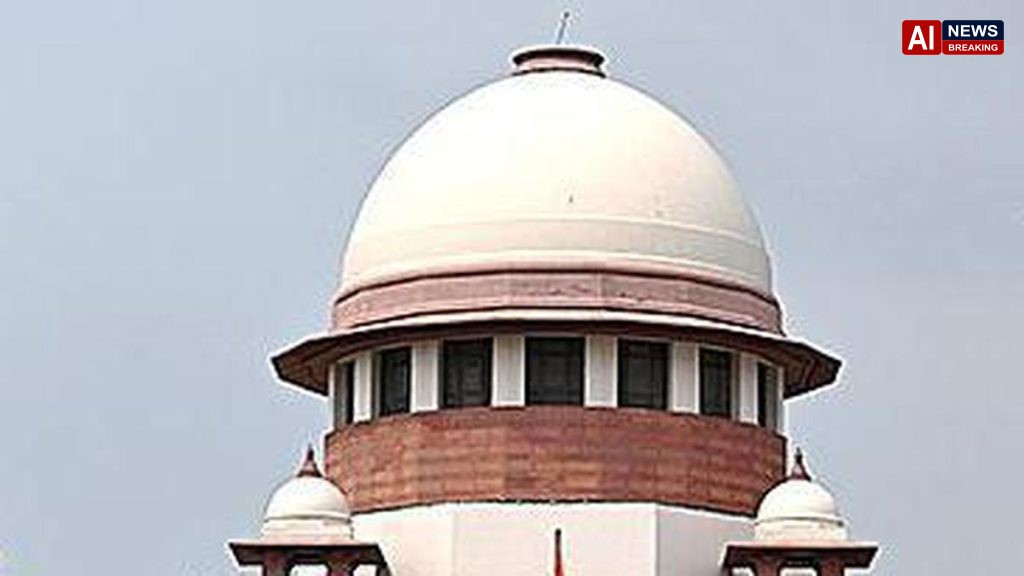
Supreme Court rules that BCI has no power to punish law students - AI News Breaking
supreme court rules cannot:
Supreme Court rules that BCI has no power to punish law students The Supreme Court of India has delivered a landmark judgment that significantly curtails the disciplinary powers of the Bar Council of India, declaring that the statutory body possesses absolutely no authority to punish law students for their political or social activities. This decisive ruling comes after years of controversy surrounding the BCI’s attempts to regulate student conduct within educational institutions nationwide. The apex court emphasized that such overreach violates fundamental constitutional rights, particularly the freedoms of speech, expression, and association guaranteed to every citizen..
This judgment marks a pivotal moment in Indian legal education history. Legal experts have hailed this verdict as a decisive victory for democratic rights within academic corridors. For decades, the Bar Council had issued vague guidelines suggesting that law students could be expelled from their courses if they engaged in any form of political protest or affiliated with student unions..
These regulations were widely criticized for being ambiguous and disproportionately harsh, often leading to the suppression of legitimate student dissent across numerous premier law schools throughout the country. The central issue before the court was whether the Bar Council, which is primarily responsible for regulating the legal profession post-graduation, could extend its regulatory tentacles to pre-graduate students who are not yet advocates. The petitioners argued that the Council’s mandate ends at the point of enrollment in the final years of law school, where students begin formal internships required for advocacy practice..
In a unanimous decision, the three-judge bench stated clearly that the Bar Council cannot interfere with the internal administration of universities or law colleges. The judges noted that educational institutions already have their own well-established disciplinary mechanisms under the University Grants Commission regulations and specific university statutes. Therefore, imposing additional layers of external regulation by a professional body creates unnecessary confusion and administrative chaos within the academic fraternity..
The petition leading to this historic ruling was filed by several prominent student lawyers who had previously faced expulsion threats due to their participation in campus protests. They argued that the BCI letters created a chilling effect on the freedom of speech and expression and the freedom of association among students. These documents, often circulated ly, instructed college authorities to expel any student found guilty of engaging in “anti-national” activities or participating in politically motivated gatherings..
The court found these preliminary letters to be legally flawed and constitutionally untenable. Chandrachud, who authored the majority opinion, described the BCI’s actions as an attempt to impose a blanket ban on student democracy, which is inherently anti-constitutional. He stressed that encouraging political awareness and engagement among young minds is essential for the health of any vibrant democracy in India..
Furthermore, the judgment clarifies that the Bar Council’s regulatory powers are strictly limited to setting curriculum standards and conducting the All India Bar Examination. It has no jurisdiction over day-to-day disciplinary matters occurring on college campuses. This distinction is crucial for maintaining the separation between academic governance and professional regulation, ensuring that students can focus on their studies without fear of arbitrary professional repercussions from a distant regulatory body..
Reacting to the verdict, student representatives expressed immense relief and celebrated the restoration of their fundamental rights. Many had faced severe anxiety and uncertainty regarding their academic futures due to the ambiguous nature of previous BCI directives. Now, they can participate in campus governance and express their views freely without fearing that their law degrees might be revoked by an external regulatory authority that has no legitimate oversight role in their pre-graduate education..
University administrators have also welcomed the clarity provided by the Supreme Court, acknowledging that managing student discipline has always been their primary responsibility. They noted that existing university codes of conduct are sufficient to handle any genuine cases of misconduct or violence, making the BCI’s intervention redundant and intrusive. This judgment allows institutions to operate autonomously while maintaining discipline through established, transparent, and fair internal procedures that respect student dignity..
However, the Bar Council of India issued a brief statement acknowledging the court’s decision while emphasizing its role in maintaining professional ethics among aspiring lawyers. The Council maintained that its primary concern was always to ensure that future advocates uphold the highest standards of conduct and professionalism. Nevertheless, it conceded that the specific method of issuing expulsion orders was legally unsustainable and agreed to revise its internal guidelines to align with the new precedent..
Legal scholars suggest that this ruling will have far-reaching implications for other professional bodies attempting to regulate student behavior across various disciplines. It sets a powerful precedent that professional regulatory authorities cannot usurp the legitimate powers of academic institutions. This boundary protection is vital for preserving the autonomy of universities and ensuring that educational environments remain spaces for critical thinking, debate, and respectful disagreement among diverse groups..
Despite the victory, challenges remain in translating this legal clarity into practical reality on the ground. Some university management committees may still hesitate to allow student union elections or political activities, citing old interpretations of professional ethics. It will require sustained advocacy from student groups and legal experts to ensure that the spirit of this judgment is fully implemented without resistance from conservative administrative bodies across different states..
As India continues to grapple with the balance between national security and civil liberties, this judgment serves as a crucial safeguard for student rights. It reaffirms that the classroom must remain a sanctuary for open inquiry and democratic exercise, free from undue interference by external regulatory agencies. The decision underscores the judiciary’s commitment to protecting the constitutional freedoms of even those who have not yet entered the professional workforce..
Looking ahead, the legal community anticipates further litigation regarding the precise scope of student rights in higher education. While this case resolves the immediate conflict between the BCI and student bodies, it opens the door for broader discussions about academic freedom and institutional autonomy. The long-term impact of this ruling will likely shape the landscape of legal education and student activism in India for many decades..
Updated: September 3, 2026
The verdict doesn’t just strip the Bar Council of power; it reclaims the law school as a incubator for democracy rather than a finishing school for compliance.
By shielding student dissent, the court ensures future judges are forged in the fire of free speech, not silenced by it.