Europe warns of Russia’s hybrid attacks but struggles to counter them
  Former chief election commissioner calls SIR scheme illegal.
  A Corruption Scandal Is Reshaping Brazil’s Presidential Election
  US citizen injured in Illinois after ICE agents mistook him for fugitive, tried to arrest him
  At 10 years old, Smithsonian’s Black museum is undaunted amid pressure from Trump administration
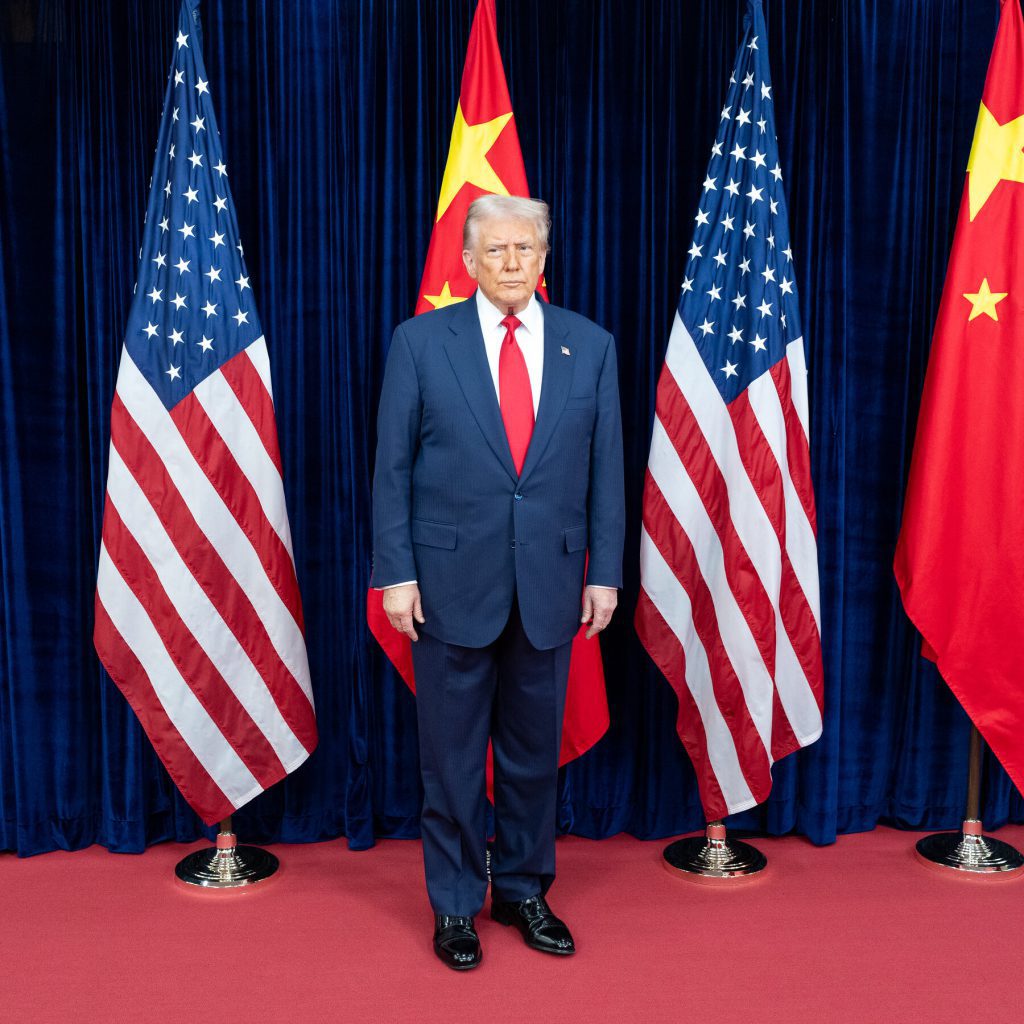
 Trump Administration Abandons Harsher China Trade Tactics, Eases Tariffs Restrictions
Summary
In a significant U-turn, the Trump administration has scaled back its aggressive trade policies on China, abandoning plans for harsher actions against the nation.
This shift has been driven by several factors, including the recognition of interdependent economies, rising US budget deficits, and shifting domestic priorities.
Updated: May 13, 2026
Summary
In a significant U-turn, the Trump administration has scaled back its aggressive trade policies on China, abandoning plans for harsher actions against the nation. This shift has been driven by several factors, including the recognition of interdependent economies, rising US budget deficits, and shifting domestic priorities.
Core News
The Trump administration’s initial stance on China involved imposing tariffs on billions of dollars’ worth of Chinese goods, in response to concerns over intellectual property theft and unfair trade practices. However, the president has now decided to ease these restrictions, citing the need for continued dialogue and economic engagement with China.
According to sources close to the administration, Trump’s advisors have convinced him that China is too big to fail as a trading partner, and that the US has far more to lose from a prolonged trade war than Beijing. Furthermore, the administration has come to realize that its trade deficit with China is largely driven by US consumers’ love of Chinese goods, making it a difficult problem to fix through tariffs alone.
Impact Analysis
The decision to scale back trade restrictions on China has significant implications for the global economy, both locally and internationally. Firstly, it has sparked a wave of relief across international markets, as investors and businesses welcome the respite from uncertainty. Secondly, the move has exposed deeper divisions within the Trump administration, with some advisors pushing for continued toughness on China, while others argue that economic pragmatism demands a more conciliatory approach.
The impact on the US-China trade balance is also worth examining. Although tariffs were never a viable solution to addressing the trade deficit, the absence of these restrictions could lead to a further widening of the gap. Furthermore, as China is now poised to invest heavily in emerging markets and key US sectors, the consequences for US industry and employment will require close monitoring.
Broader Implications
Looking beyond the immediate economic implications, the decision to scale back trade restrictions on China has far-reaching implications for US foreign policy. As the country’s economic influence waxes, China is increasingly assertive on the global stage, testing US power in multiple regions. The Trump administration’s shift on China may embolden Beijing, while undermining Washington’s capacity to exert pressure on other key nations.
This move also sets a precedent for future administrations, highlighting the tension between economic populism and strategic flexibility. As international institutions continue to fray, and global governance challenges deepen, the ability of policymakers to adapt to changing circumstances will become increasingly crucial.
In conclusion, Trump’s scaling back of trade restrictions on China marks a significant turning point in the administration’s policy trajectory. As the world grapples with the implications of emerging geopolitics, one thing is clear – the delicate balance between economic self-interest and strategic vision will continue to shape the contours of international relations for years to come.
This sudden about-face by the Trump administration reveals a deeper reality: economic pragmatism often trumps ideological fervor when national interests are at stake. By acknowledging China's crucial role in the global economy, the US is, in effect, recognizing the limitations of its own power.