Europe warns of Russia’s hybrid attacks but struggles to counter them
  Former chief election commissioner calls SIR scheme illegal.
  A Corruption Scandal Is Reshaping Brazil’s Presidential Election
  US citizen injured in Illinois after ICE agents mistook him for fugitive, tried to arrest him
  At 10 years old, Smithsonian’s Black museum is undaunted amid pressure from Trump administration
 Trump Announces 25 percent EU Car Tariff Hike Amid Trade War Fears
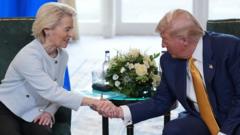
trump announces percent tariff:
US President Donald Trump Announces 25% Tariff Hike on EU Cars, Prompting Trade War Fears
In a move that’s sent shockwaves through the global trade landscape, US President Donald Trump has vowed to raise tariffs on European Union (EU) cars to 25%, up from the current rate of 15%, citing an imbalance in trade that he claims benefits EU manufacturers at the expense of their American counterparts.
This bold move marks a significant escalation in the ongoing trade tensions between the two economic powerhouses.
Updated: May 1, 2026
US President Donald Trump Announces 25% Tariff Hike on EU Cars, Prompting Trade War Fears
In a move that’s sent shockwaves through the global trade landscape, US President Donald Trump has vowed to raise tariffs on European Union (EU) cars to 25%, up from the current rate of 15%, citing an imbalance in trade that he claims benefits EU manufacturers at the expense of their American counterparts. This bold move marks a significant escalation in the ongoing trade tensions between the two economic powerhouses. The stakes are high, with billions of dollars in trade flowing between the two regions under threat.
To put this move into context, let’s consider the backdrop. In July, a trade deal was inked between the US and EU, capping tariffs on imports at 15%. However, President Trump has long argued that the terms of this agreement favor European manufacturers, who gain unfettered access to the massive US market, while American companies face stifling regulations and trade barriers in Europe. This perceived imbalance has galvanized the president’s drive for a more reciprocal trade policy, one that puts American interests first.
At the heart of Trump’s proposal is the 25% tariff on EU-made vehicles entering the United States. The president claims this move will level the playing field and safeguard American jobs in the auto industry, which he says are being eroded by cheap imports. However, critics warn that such tariffs could have far-reaching consequences, including higher prices for consumers and a potential trade war.
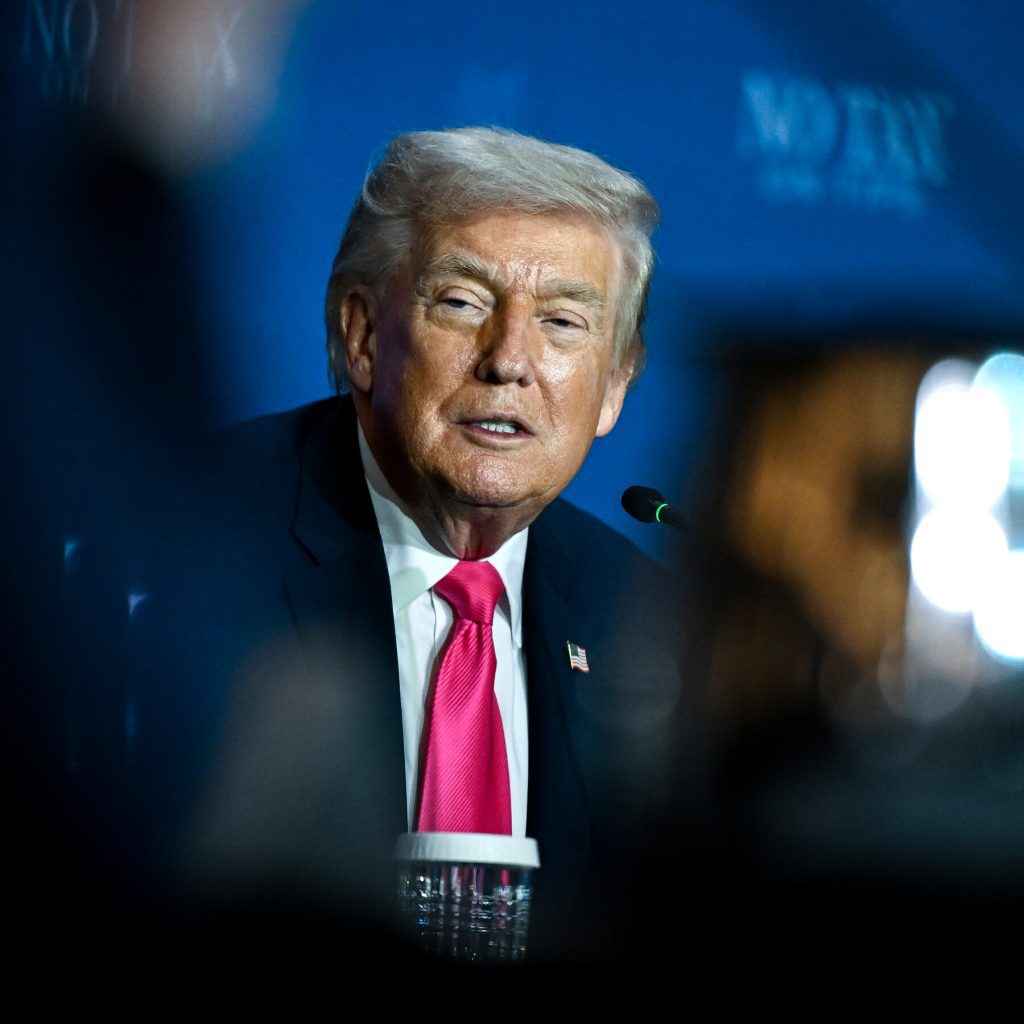
The broader implications of President Trump’s policy shift are significant. The EU has already retaliated with plans to impose tariffs of its own, targeting US goods including whiskey, cheese, and airplanes. This tit-for-tat response may trigger a full-blown trade war, with both sides imposing tariffs and countermeasures. Such a scenario would likely lead to higher prices for consumers, reduced economic growth, and a loss of jobs in both the US and EU.
In an effort to boost domestic auto manufacturing, the president also announced measures aimed at supporting US automakers. These initiatives include incentives for companies to create jobs and invest in American plants. While these moves may be seen as beneficial for American workers, their effectiveness remains to be seen.
Critics have been quick to pounce on the president’s proposal, warning that tariffs will only serve to hurt American consumers. The president’s advisors have argued that, by contrast, a negotiated trade agreement with Europe could yield greater benefits. This dichotomy reflects a larger debate over the role of tariffs in shaping global trade policies.
As the situation unfolds, world leaders and market analysts will be closely watching the impact of President Trump’s tariff hike on the global economy. While some have called for caution, others have warned that the stakes are too high to ignore the consequences of a protracted trade war.
The future of the US-EU trade relationship has never been more uncertain, with both sides digging in for a potentially long and costly battle. Will President Trump’s 25% tariff proposal prove to be a negotiating ploy, or a harbinger of a full-blown trade war? Only time will tell.
Why this matters:
– The US-EU trade relationship is a crucial component of the global economy, with over a trillion dollars in trade exchanged annually.
– The outcome of this dispute will have far-reaching implications for businesses, consumers, and governments worldwide.
– The stakes are high, with both sides potentially facing financial losses and economic disruption.
Future outlook:
– A trade war between the US and EU would likely lead to economic losses on both sides, as tariffs and countermeasures escalate.
– The outcome of this dispute may depend on the ability of both sides to negotiate a mutually beneficial agreement, such as the 15% tariff cap agreed upon in July.
– As the situation unfolds, world leaders and market analysts will be closely watching the impact of President Trump’s tariff hike on the global economy.
This bold move by President Trump is a classic case of a bluff and bargain. By imposing a 25% tariff hike, he's flexing his negotiating muscles, testing the EU's resolve and pushing them to reconsider the terms of their trade agreement.
The timing of this move suggests that President Trump is preparing for election season, and this tariff hike may be a carefully calibrated tactic to appease