Europe warns of Russia’s hybrid attacks but struggles to counter them
  Former chief election commissioner calls SIR scheme illegal.
  A Corruption Scandal Is Reshaping Brazil’s Presidential Election
  US citizen injured in Illinois after ICE agents mistook him for fugitive, tried to arrest him
  At 10 years old, Smithsonian’s Black museum is undaunted amid pressure from Trump administration
 Trump Says Iran Peace Deal Is Near After Calling Off Planned Strikes, but Tehran Says No Final Agreement Yet
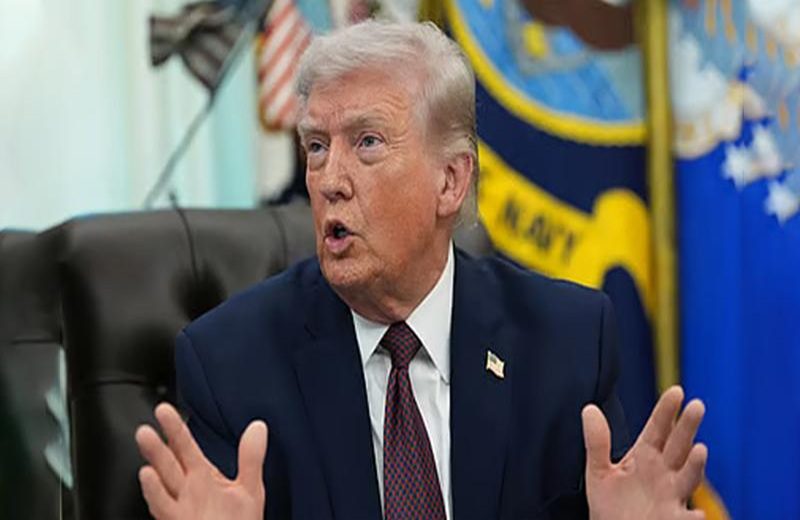
US President Donald Trump has claimed that a deal to end the conflict with Iran is close after abruptly canceling planned military strikes against Iranian targets. While Trump says the final points of a settlement have been approved and a peace agreement could be signed soon, Iranian officials have pushed back, insisting that no final agreement has yet been reached.
US President Donald Trump has signaled a potential breakthrough in efforts to end the ongoing conflict with Iran, announcing that he canceled planned military strikes after what he described as major progress in negotiations with Tehran.
The announcement marks a dramatic shift from the escalating rhetoric seen earlier in the week, when Trump warned that Iran would be hit “very hard” and suggested that US forces could target critical Iranian oil infrastructure. Instead, the US president now says a peace agreement is nearing completion and could be formally signed in the coming days.
The development has boosted hopes that a wider regional conflict can be avoided, although uncertainty remains after Iranian officials disputed Trump’s claims that a final agreement has already been approved.
Trump Calls Off Planned Military Action: In a statement released on Thursday, Trump said he had canceled scheduled airstrikes against Iran after discussions with Iranian representatives reached what he described as the highest levels of leadership in Tehran.
According to Trump, the “final points” of a settlement have been agreed upon and preparations are underway for a formal signing ceremony. He indicated that an agreement could potentially be finalized during meetings expected to take place in Europe over the weekend.
The decision came just hours after Trump had publicly threatened a more aggressive military response, including possible attacks on strategic Iranian oil facilities. His sudden reversal surprised diplomats and financial markets alike.
Trump also stated that the United States would maintain certain pressure measures, including maritime restrictions, until a final agreement is formally signed and implemented.
Iran Says No Final Agreement Yet: Despite Trump’s optimistic assessment, Iranian officials have responded cautiously.
Iranian authorities acknowledged that discussions are continuing and that progress has been made on several key issues. However, Tehran rejected claims that a final settlement has already been approved, emphasizing that important decisions still require additional review and authorization.
Officials in Tehran have stressed that unresolved issues remain, particularly regarding Iran’s nuclear activities, sanctions relief, and broader security arrangements in the region. Iranian representatives have also maintained that no final text has yet received complete approval from the country’s leadership.
The differing accounts from Washington and Tehran highlight the fragile nature of the negotiations and the possibility that talks could still encounter obstacles before any agreement is signed.
Strait of Hormuz Central to Negotiations: One of the most important issues under discussion is the future of the Strait of Hormuz, one of the world’s most strategically important shipping routes.
The waterway handles a significant share of global oil and liquefied natural gas shipments. Disruptions in the strait have contributed to volatility in energy markets and raised concerns about global supply chains.
Trump has suggested that a successful agreement would lead to the reopening of the Strait of Hormuz and restore normal shipping activity through the region. Iranian officials have not fully endorsed that characterization but have indicated that maritime security arrangements remain part of ongoing negotiations.
The future status of the strait is viewed as one of the most sensitive and economically significant aspects of the talks.
Markets Rally on Hopes of Peace: Financial markets responded positively to news that planned US strikes had been canceled.
Oil prices fell sharply as investors reduced expectations of an immediate escalation in hostilities. Brent crude and West Texas Intermediate crude both recorded significant declines as traders anticipated improved stability in global energy supplies if negotiations succeed.
Stock markets also gained momentum, with investors welcoming signs that diplomatic efforts might prevent a broader conflict in the Middle East. The prospect of a negotiated settlement reduced concerns about potential disruptions to global trade and energy flows.
Analysts cautioned, however, that markets remain highly sensitive to developments in the negotiations and could react sharply if talks break down.
Reports indicate that multiple regional governments have been involved in efforts to facilitate communication between Washington and Tehran.
Countries including Qatar, Saudi Arabia, the United Arab Emirates, Bahrain, Kuwait, and Turkey have reportedly played roles in supporting diplomatic initiatives aimed at preventing further escalation.
The involvement of regional actors reflects widespread concern about the economic and security consequences of a prolonged conflict. Many governments have urged both sides to prioritize diplomacy and avoid actions that could trigger a wider regional war.
Key Issues Still Unresolved: While negotiators appear to have narrowed differences on several major topics, significant challenges remain.
Among the most contentious issues are:
- Restrictions on Iran’s nuclear program.
- Future sanctions and economic relief.
- Maritime security in the Persian Gulf.
- The status of US military operations in the region.
- Mechanisms for monitoring and enforcing any agreement.
Diplomatic sources suggest that progress has been made on many of these subjects, but final details remain under discussion.
Some analysts warn that agreements reached in principle can still unravel during implementation, particularly when politically sensitive issues are involved.
Although Trump has repeatedly expressed confidence that a settlement is imminent, experts caution that negotiations remain fluid.
Previous rounds of talks between Washington and Tehran have encountered setbacks despite periods of apparent progress. The current negotiations face similar risks, particularly given lingering mistrust between the two countries and the complex security environment in the Middle East.
For now, the cancellation of planned US strikes has reduced immediate fears of escalation and created new momentum for diplomacy. Whether that momentum results in a durable peace agreement remains one of the most important questions facing the region.
The coming days are expected to be crucial as negotiators work to finalize the details of a possible settlement. Trump has indicated that an agreement could be signed soon, while Iranian officials continue to stress that discussions are ongoing.
If successful, the deal could ease tensions, restore stability to energy markets, and reduce the risk of a broader conflict in the Middle East. However, until both sides formally endorse a final agreement, uncertainty is likely to remain.
The world will be watching closely to see whether diplomatic efforts can achieve what months of confrontation and military exchanges have failed to accomplish—a lasting framework for peace.