Europe warns of Russia’s hybrid attacks but struggles to counter them
  Former chief election commissioner calls SIR scheme illegal.
  A Corruption Scandal Is Reshaping Brazil’s Presidential Election
  US citizen injured in Illinois after ICE agents mistook him for fugitive, tried to arrest him
  At 10 years old, Smithsonian’s Black museum is undaunted amid pressure from Trump administration
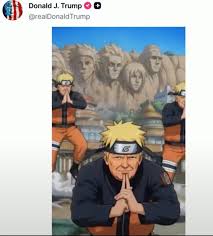
 Trump’s Anime-Themed Posts Spark Controversy in Japan as Fans Object to Use of Pikachu, Naruto and Other Icons
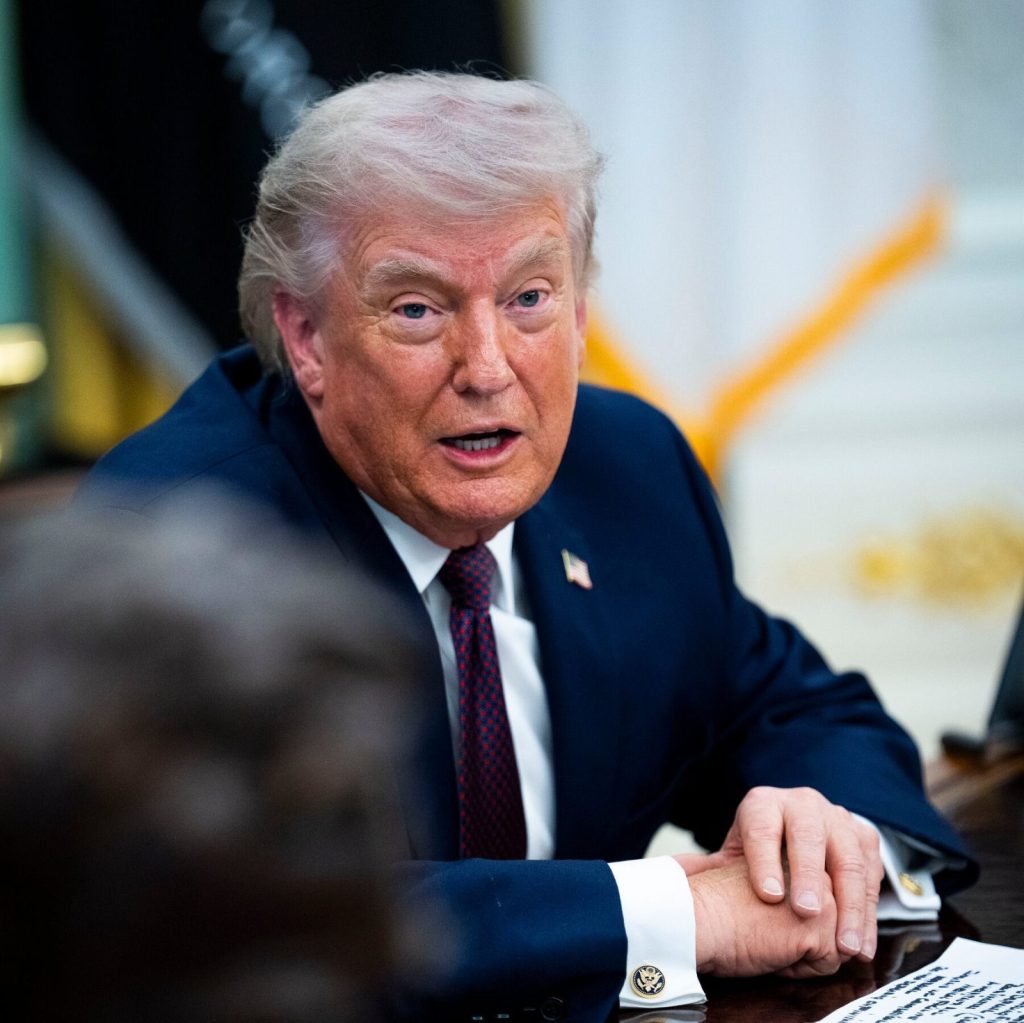
trumps animethemed posts spark:
A growing backlash has emerged in Japan after U.S. President Donald Trump and his supporters used images of popular anime characters such as Pikachu and Naruto in political messaging. Many Japanese fans and creators argue that beloved cultural icons should not be used for political purposes, sparking debate across social media and fan communities.
Japanese fans push back as beloved anime icons become entangled in American politics
TOKYO — A wave of criticism is spreading across Japan after images of popular anime characters, including Pikachu, Naruto, and other globally recognized figures from Japanese entertainment, were reportedly used in content associated with U.S. President Donald Trump and his political movement.
The controversy has ignited heated discussions among anime fans, artists, and cultural commentators who argue that fictional characters created for entertainment should not be drawn into partisan political campaigns.
While political figures around the world have occasionally borrowed imagery from popular culture to connect with younger audiences, the use of anime characters carries particular sensitivity in Japan, where these characters are viewed not only as commercial brands but also as important cultural symbols.
What triggered the controversy?: The backlash began after anime-themed images linked to pro-Trump messaging circulated online, featuring well-known Japanese characters alongside political slogans and campaign-style visuals.
Among the most discussed characters were:
- Pikachu from the Pokémon franchise
- Naruto Uzumaki from Naruto
- Other recognizable anime and manga figures
The images quickly spread across social media platforms, attracting attention from both American supporters and Japanese users.
Many Japanese fans expressed discomfort with seeing characters they associate with childhood memories, entertainment, and national culture used within a highly polarized political context.
The controversy gained momentum as screenshots and reposts reached Japanese social media platforms, where users debated whether such usage was appropriate.
Anime occupies a unique place in Japanese culture: To outsiders, anime characters may appear similar to cartoon mascots used in advertising campaigns around the world. In Japan, however, anime and manga occupy a far deeper cultural role.
The industry represents:
- A major economic sector
- A significant export industry
- A source of national pride
- An important component of modern Japanese identity
Characters such as Pikachu and Naruto are recognized globally and are often viewed as unofficial ambassadors of Japanese popular culture.
As a result, many fans believe these figures should remain politically neutral.
Critics argue that attaching them to political movements—whether in Japan, the United States, or elsewhere—risks altering their cultural meaning and alienating portions of their fan base.
Social media reaction in Japan: Reaction online has been mixed but increasingly vocal. Many Japanese users have argued that anime characters should not be appropriated for political messaging without permission from rights holders.
Common concerns include:
- Misrepresentation of the characters’ values
- Unauthorized use of copyrighted imagery
- Association with controversial political debates
- Potential damage to brand reputation
Some users noted that fans hold a wide range of political views and that fictional characters should remain separate from partisan disputes.
Others criticized what they saw as a broader trend of politicians using entertainment culture to gain online attention.
At the same time, some observers dismissed the controversy as overblown, arguing that internet memes frequently incorporate fictional characters into political commentary.
Intellectual property concerns emerge: The debate has also highlighted questions surrounding intellectual property rights. Major anime franchises are typically protected by strict copyright and trademark rules.
Companies behind properties such as:
- Pokémon
- Naruto
- Dragon Ball
- One Piece
have historically taken steps to protect their brands from unauthorized commercial or political use.
Legal experts note that while fan-created memes often exist in a gray area, official political use can raise additional concerns depending on how copyrighted material is presented.
Neither Nintendo, The Pokémon Company, nor the rights holders behind Naruto had publicly announced legal action at the time the controversy emerged.
However, observers noted that large Japanese entertainment companies generally seek to maintain political neutrality in international markets.
The intersection of politics and pop culture: The dispute reflects a broader global trend in which political movements increasingly borrow imagery from internet culture, gaming, animation, and entertainment franchises.
Over the past decade, politicians and activists across the political spectrum have used:
- Memes
- Video game references
- Anime imagery
- Pop culture symbolism
to engage online audiences.
Digital strategists argue that such content can help political messages spread rapidly among younger demographics.
However, cultural scholars warn that the strategy can backfire when fan communities perceive it as exploitation rather than appreciation.
In the case of anime, fan attachment to characters is often especially strong, making political associations particularly controversial.
Cultural diplomacy implications: Japan has spent decades promoting anime and manga as part of its global cultural influence. Often referred to as “soft power,” Japanese popular culture plays a significant role in shaping perceptions of the country abroad.
Anime conventions, streaming services, merchandise sales, and international collaborations have transformed Japanese entertainment into a multibillion-dollar global industry.
For some Japanese observers, the use of anime characters in foreign political campaigns raises concerns about how these cultural assets are represented internationally.
They argue that politicization could undermine efforts to keep anime broadly accessible and culturally inclusive.
The controversy shows no sign of disappearing quickly.
As political campaigns increasingly rely on digital communication and internet culture, clashes between fan communities and political movements are likely to become more common.
For many Japanese fans, the issue extends beyond politics and centers on respect for beloved characters that have become symbols of creativity, imagination, and shared cultural experience.
Whether the backlash leads to changes in how political figures use anime imagery remains uncertain, but the episode has once again demonstrated the extraordinary global influence of Japanese popular culture.
The dispute highlights an emerging challenge in the digital age: globally recognized fictional characters increasingly function as cultural assets with emotional value far beyond their original entertainment role. When political movements adopt these symbols, they often encounter resistance not because of a specific political position, but because fans view the characters as belonging to a shared cultural space rather than a partisan one. As online politics becomes more meme-driven, conflicts between intellectual property, fan identity, and political messaging are likely to intensify, particularly around globally influential franchises such as Pokémon and Naruto.