Europe warns of Russia’s hybrid attacks but struggles to counter them
  Former chief election commissioner calls SIR scheme illegal.
  A Corruption Scandal Is Reshaping Brazil’s Presidential Election
  US citizen injured in Illinois after ICE agents mistook him for fugitive, tried to arrest him
  At 10 years old, Smithsonian’s Black museum is undaunted amid pressure from Trump administration
 U.S. Trails Behind Europe, Norway in Electric Vehicle Adoption Amid Rising Fuel Prices
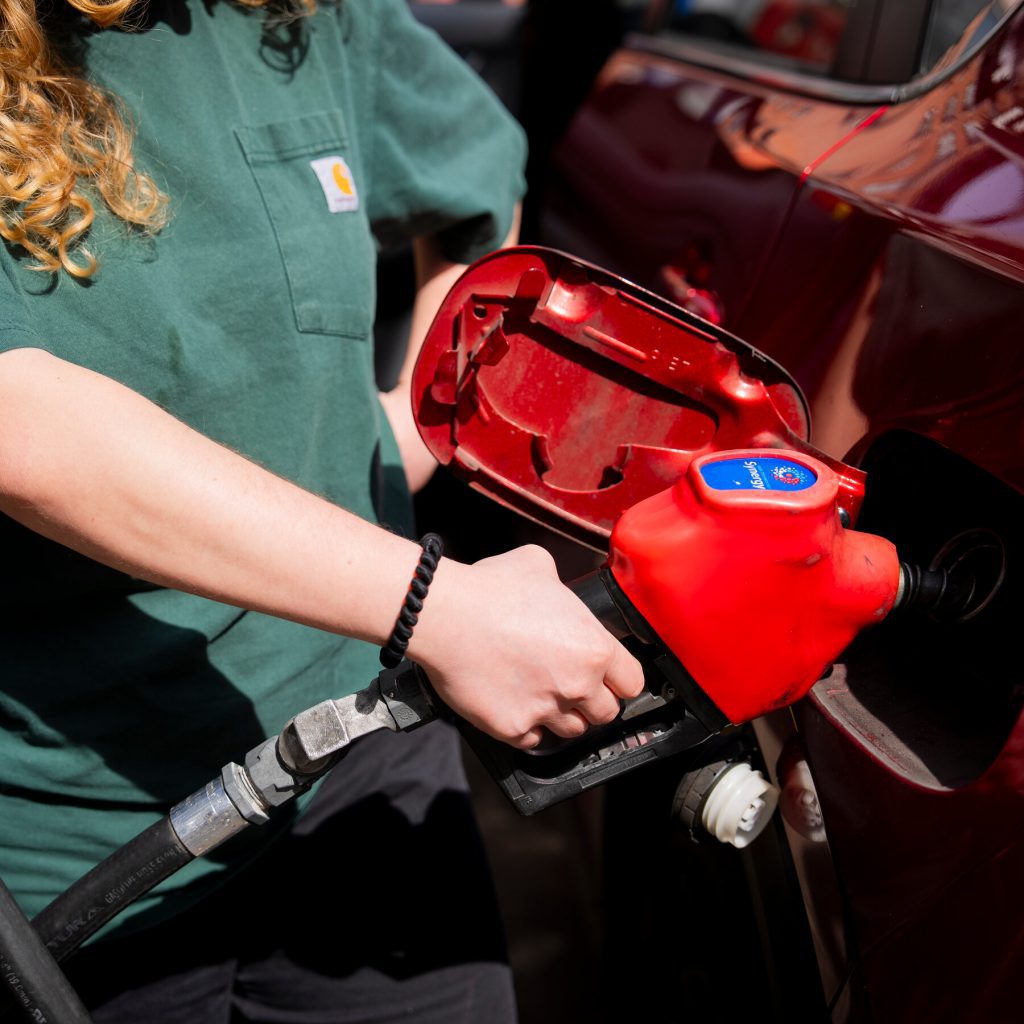
trails behind europe norway:
Fuel Prices Drive a Shift Towards Electric Vehicles Globally, But the U.
S.
Updated: May 13, 2026
Fuel Prices Drive a Shift Towards Electric Vehicles Globally, But the U.S. Remains a Laggard
In recent years, a significant shift in the automotive market has become increasingly evident. Global sales of electric vehicles (E.V.s) have experienced a notable surge, with countries like Norway, China, and many European nations witnessing a substantial increase in E.V. adoption. However, despite rising fuel prices and growing environmental concerns, the U.S. continues to lag behind its international counterparts.
What Happened
E.V. sales have skyrocketed in countries with stringent fuel efficiency regulations and high fuel prices. Countries like Norway, where electricity is relatively cheap and fuel prices are among the highest in the world, have seen a staggering 90% of new car sales being electric. In contrast, the U.S. has seen a more modest growth, with about 5% of new car sales being electric.
Background
The growth of E.V.s globally dates back to the early 2010s, when many countries began to implement stricter fuel efficiency regulations and incentivize the adoption of cleaner, more environmentally friendly vehicles. The European Union, for instance, set a target of reducing greenhouse gas emissions from transportation by 60% by 2050. In response, governments and manufacturers alike began to invest heavily in E.V. technology and infrastructure.
Key Concerns
So, what explains the stark contrast between the U.S. and its global peers? One major reason is the lack of consistent nationwide regulations and incentives. While some states have implemented their own E.V. tax credits and rebates, the absence of a federal policy has created a patchwork of inconsistent support across the country. In contrast, countries like Norway have implemented a comprehensive policy that includes subsidies, tax exemptions, and free tolls, which has helped to drive E.V. adoption.
Moreover, charging infrastructure in the U.S. is still in its infancy compared to many European countries. Despite the growing number of charging stations, it remains a significant concern for potential E.V. buyers, particularly in rural areas.
What Next
As the global automotive market continues to shift towards E.V.s, the U.S. is likely to face increasing pressure to adopt more comprehensive and cohesive policies to support the adoption of cleaner vehicles. The Inflation Reduction Act of 2022, which includes provisions aimed at increasing E.V. adoption and reducing greenhouse gas emissions, is a step in the right direction. However, the road to widespread E.V. adoption will require continued investment in charging infrastructure and more consistent nationwide regulations.
The environmental benefits of E.V.s are undeniable, and the lack of U.S. progress in this arena has significant consequences. The country’s continued dependence on fossil fuels not only contributes to climate change but also exacerbates air pollution in urban areas, particularly in low-income communities. As global leaders like Norway demonstrate, a coordinated approach to promoting E.V. adoption can drive meaningful change and create a cleaner, more sustainable transportation future. It remains to be seen whether the U.S. will follow suit and join the global E.V. revolution.
It appears that the U.S. is stuck in neutral while the rest of the world is accelerating towards electric vehicle adoption, highlighting a significant opportunity for American policymakers to catch up and capitalize on the global EV trend. By failing to keep pace, the U.S. risks not only missing out on the economic benefits of a cleaner transportation sector but also perpetuating environmental injustice in its own communities.