Europe warns of Russia’s hybrid attacks but struggles to counter them
  Former chief election commissioner calls SIR scheme illegal.
  A Corruption Scandal Is Reshaping Brazil’s Presidential Election
  US citizen injured in Illinois after ICE agents mistook him for fugitive, tried to arrest him
  At 10 years old, Smithsonian’s Black museum is undaunted amid pressure from Trump administration
 UK Inflation Rises to 3.3 as Fuel Prices Soar Amid Iran Conflict.
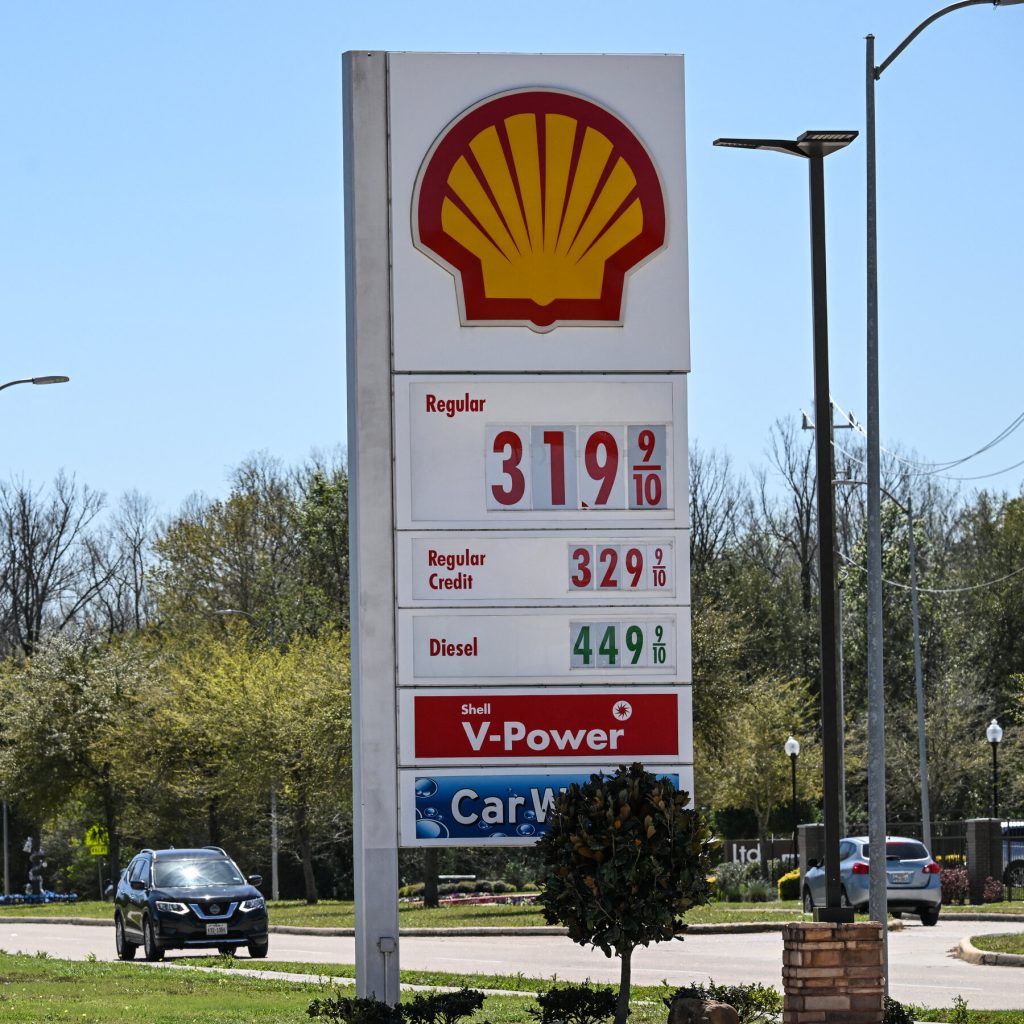
inflation rises fuel prices:
Updated: April 22, 2026
UK inflation rose by 3.3% in March amid the surge in fuel prices for motorists triggered by the Iran war. Figures from the Office for National Statistics (ONS) show the consumer prices index increased last month from 3% in February, adding to pressure on household finances already battered by a cost of living crisis. The rise matched City economists’s forecast of an increase to 3.3%. This increase in prices has been triggered by rising tensions in the Middle East, specifically the ongoing war between Iran and its adversaries. As a result, oil prices have skyrocketed globally, forcing UK motorists to shell out more at the pumps. With the UK already grappling with a severe cost of living crisis, the latest inflation figures are a cause for concern among policymakers and households alike.
The UK government has been warned repeatedly that the economy is heading for a slowdown amid the ongoing cost of living crisis. With inflation at a three-year high, experts fear that this could have serious consequences for the UK’s economic growth. The Bank of England has also signaled that interest rates may need to rise in response to the rising inflation. However, such a move would add further strain on households already struggling to cope with the rising cost of living.
The impact of rising fuel prices is being felt across the UK, particularly in areas where fuel is a major component of household expenditure. Motorists, in particular, are facing significant increases in their fuel costs, with some areas experiencing price hikes of up to 10p per litre in the past few weeks. This has put a significant strain on household budgets, with many individuals and families struggling to cope with the rising costs.
While the latest inflation figures are a cause for concern, some experts believe that the economy may be more resilient than previously thought. However, others warn that the situation could worsen if the ongoing conflict in the Middle East persists. In the meantime, households and policymakers must continue to monitor the situation closely and take steps to mitigate the impact of rising fuel prices.
The UK government has announced plans to provide support to households facing financial hardship. However, some critics believe that more needs to be done to alleviate the pressure on household finances. As the situation continues to unfold, one thing is clear: the UK’s economic health depends on a swift resolution to the conflict in the Middle East.
The Bank of England has signaled its willingness to act if necessary to safeguard the UK economy. However, experts warn that any further monetary policy interventions could have unintended consequences. As the UK grapples with the challenges of rising inflation, one thing is certain: the road ahead will be difficult.
As policymakers and households continue to grapple with the challenges of rising fuel prices, one thing is clear: the situation requires careful management to avoid serious consequences for the UK economy.
The recent surge in inflation, triggered by the Iraq war, highlights the potential for unexpected global events to disrupt local economies. This serves as a reminder of the interconnected nature of the global economy and the need for policymakers to remain vigilant in responding to global developments that may impact the UK economy.