Europe warns of Russia’s hybrid attacks but struggles to counter them
  Former chief election commissioner calls SIR scheme illegal.
  A Corruption Scandal Is Reshaping Brazil’s Presidential Election
  US citizen injured in Illinois after ICE agents mistook him for fugitive, tried to arrest him
  At 10 years old, Smithsonian’s Black museum is undaunted amid pressure from Trump administration
 US CDC Confirms First American Ebola Victim, Takes Proactive Measures to Prevent Outbreak in DRC
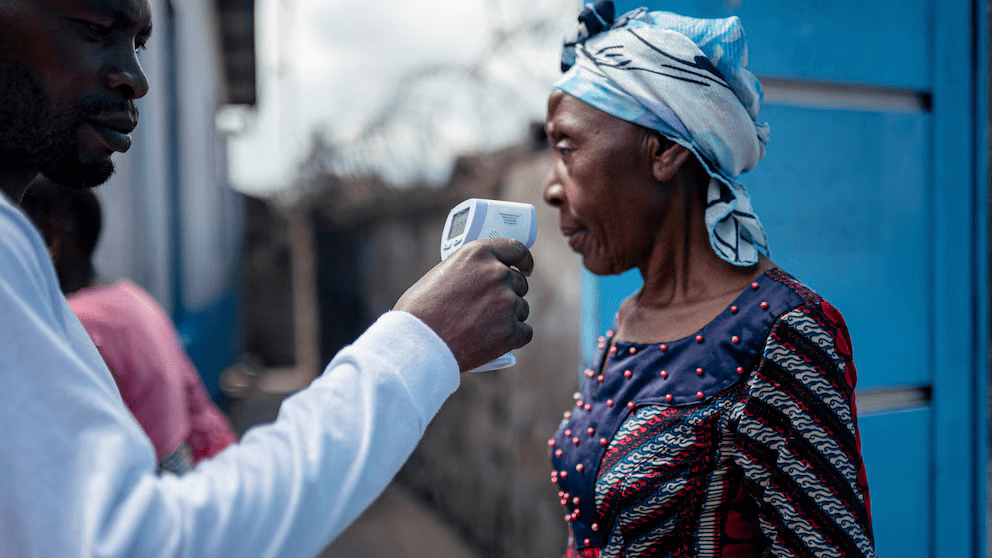
US Confirms First American Victim of Ebola in Congo, Takes Proactive Measures to Prevent Outbreak
In a worrying development, the US Centers for Disease Control and Prevention (CDC) has announced that an American citizen contracted Ebola while working in the Democratic Republic of Congo (DRC).
This marks the first confirmed case of an American being infected with the deadly virus in the region.
Updated: May 19, 2026
US Confirms First American Victim of Ebola in Congo, Takes Proactive Measures to Prevent Outbreak
In a worrying development, the US Centers for Disease Control and Prevention (CDC) has announced that an American citizen contracted Ebola while working in the Democratic Republic of Congo (DRC). This marks the first confirmed case of an American being infected with the deadly virus in the region.
What Happened:
On Monday, the CDC confirmed that a US citizen, who was working in the DRC, developed Ebola symptoms over the weekend. After testing positive for the virus late Sunday, the individual was immediately evacuated to Germany for medical treatment. The CDC has since announced that the individual is receiving appropriate care and is in stable condition.
Background:
The Ebola outbreak in the DRC and Uganda has been ongoing for several months. The virus was first detected in the DRC in 2018, and since then, there have been periodic breakouts. The situation has been further complicated by the ongoing conflict in the region, making it challenging for health workers to reach affected areas.
In recent years, the global community has seen outbreaks of Ebola in various parts of Africa, resulting in significant loss of life and economic disruption. The most notable outbreak occurred in West Africa between 2014 and 2016, which claimed over 11,000 lives.
Key Concerns:
The confirmed case of an American contracted Ebola highlights the ongoing risks of the disease spreading beyond the affected regions. Health officials are concerned about the potential for Ebola to spread to other parts of the world through international travel.
The CDC has announced that it will implement new travel screening measures to prevent the spread of the disease. The measures will include enhanced screening of travelers arriving from the DRC and Uganda at US airports.
What Next:
The US government has assured the public that it is taking proactive measures to protect citizens from the Ebola virus. The CDC will work closely with international health organizations and governments to monitor the situation and prevent further spread of the disease.
As the global community remains vigilant about the Ebola outbreak, it is essential to note that the risk of transmission to the general public is low, provided that proper protocols are followed, and individuals take necessary precautions to avoid contact with the virus.
In related news, the World Health Organization (WHO) has called for increased vigilance and cooperation to control the outbreak. The WHO has also urged governments and health organizations to work together to strengthen healthcare systems and improve outbreak preparedness.
The US government has urged Americans traveling to or working in the DRC and Uganda to exercise caution and follow local health guidelines to minimize the risk of contracting Ebola.
This confirmed case serves as a stark reminder of the interconnectedness of our world, where a localized health crisis can have global implications and requires a unified, proactive approach to prevention and containment.
The US government's swift action and emphasis on international cooperation may not only mitigate the risk of an Ebola outbreak in the US, but also underscore the importance of global collaboration in addressing emerging health threats.
This is a developing story. More updates will follow as new information becomes available.