Europe warns of Russia’s hybrid attacks but struggles to counter them
  Former chief election commissioner calls SIR scheme illegal.
  A Corruption Scandal Is Reshaping Brazil’s Presidential Election
  US citizen injured in Illinois after ICE agents mistook him for fugitive, tried to arrest him
  At 10 years old, Smithsonian’s Black museum is undaunted amid pressure from Trump administration
 US Court of International Trade Rules Against Trump’s 10 percent Tariffs on Aluminum and Steel Imports
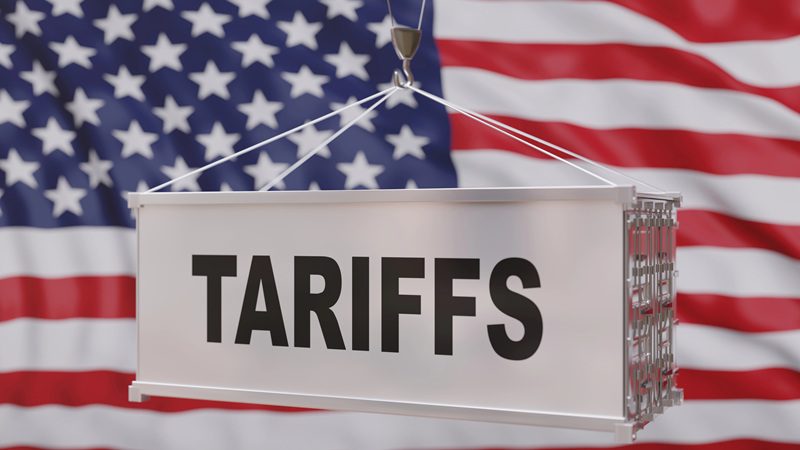
US imposes tariffs - AI News Breaking
court international trade rules:
The US Court of International Trade has dealt a significant blow to former President Donald Trump’s 10% tariff policy on a range of imported goods, ruling in favor of a group of exporters from India and other countries.
However, the ruling may not bring immediate relief to the majority of traders affected by the tariffs.
Updated: May 9, 2026
The US Court of International Trade has dealt a significant blow to former President Donald Trump’s 10% tariff policy on a range of imported goods, ruling in favor of a group of exporters from India and other countries. However, the ruling may not bring immediate relief to the majority of traders affected by the tariffs.
In a landmark decision, the court found that the Trump administration failed to adequately justify the tariffs imposed on a range of products, including aluminum, steel, and automotive components. This ruling paves the way for a potential reversal of the tariffs, but it is unclear how long this process will take.
The 10% tariffs, imposed in 2018 under Section 232 of the Trade Expansion Act, were designed to protect American industries from perceived trade threats. However, critics argued that the measures unfairly targeted certain countries and hindered global trade.
At the heart of the court’s decision was the Trump administration’s claim that the tariffs were necessary to protect national security interests. However, the court ruled that this argument was based on a flawed interpretation of the statute and did not adequately justify the imposition of tariffs.
The court’s ruling will have significant implications for American businesses and consumers who have borne the brunt of the tariffs. A study by the National Bureau of Economic Research found that the tariffs imposed by the Trump administration cost US consumers an estimated $7.1 billion in 2020.
Critics of the tariffs argue that the measures not only penalized American businesses but also had a negative impact on global trade and the US economy as a whole. By limiting access to cheap imports, the tariffs may have forced consumers to pay higher prices for goods and may have led to lost economic opportunities.
Supporters of the tariffs, on the other hand, argue that they helped level the playing field for American industries and protected jobs in critical sectors. However, experts say that a more nuanced approach to trade policy would have been more effective in achieving these goals.
Experts speculate that the ruling could have a ripple effect on trade policy debates around the world, as countries increasingly look to challenge unfair trade practices and tariffs imposed by other nations. As global trade negotiations continue to gain momentum, countries may be encouraged to adopt a more cooperative approach to trade policy.
The decision is a significant victory for exporters from countries such as India, Japan, and South Korea, who have been among the hardest hit by the tariffs. Their relief, however, may be short-lived as the Trump administration has announced plans to appeal the ruling.
The impact of the ruling on global trade tensions remains to be seen, but it is clear that the issue will continue to dominate trade policy debates for the foreseeable future. As one trade expert noted, This ruling is an important step towards rebalancing the US trade policy, but it is only the beginning of a longer journey towards fairer and more balanced trade relations.
The case highlights the importance of carefully crafted trade policies that balance national interests with global trade goals. It also underscores the need for greater cooperation and dialogue among nations to address trade disputes and avoid protectionist measures.
Looking ahead, the ruling may set a precedent for future trade disputes and provide a model for countries to challenge unfair trade practices. However, it remains to be seen how the Biden administration will respond to this development and whether this ruling will signal a shift towards a more cooperative approach to trade policy.
In an increasingly interconnected world, trade disputes can have far-reaching consequences for businesses, consumers, and governments alike. The US Court of International Trade’s decision may have provided a temporary reprieve for those affected by the tariffs, but it remains to be seen what this means for global trade and economic policies in the long term.
Why this matters
The US Court of International Trade’s decision to rule against former President Trump’s 10% tariff policy has significant implications for global trade and the US economy. The ruling highlights the importance of carefully crafted trade policies that balance national interests with global trade goals. It also underscores the need for greater cooperation and dialogue among nations to address trade disputes and avoid protectionist measures.
By challenging the Trump administration’s use of tariffs to achieve national security interests, the court has set a precedent for countries to challenge unfair trade practices. This decision may have far-reaching consequences for trade policy debates around the world, as countries increasingly look to challenge unfair trade practices and tariffs imposed by other nations.
Future outlook
As global trade negotiations continue to gain momentum, the ruling could have a significant impact on the direction of trade policy debates around the world. Countries may be encouraged to adopt a more cooperative approach to trade policy, one that balances national interests with global trade goals.
The decision may also have implications for the Biden administration’s trade policy goals, as it continues to navigate a complex web of trade tensions and disputes. As the US looks to promote its national interests on the global stage, it will be essential for policymakers to carefully calibrate their approach to trade policy.
Ultimately, the outcome of this case will be felt for years to come as it shapes global trade relations and the policies that govern them.
This landmark ruling not only deals a blow to Trump's trade legacy but also sends a strong signal that protectionist measures won't be tolerated without solid justification. As global trade debates continue to shift, the US will have to balance its national interests with a more cooperative and nuanced approach to international trade.