Europe warns of Russia’s hybrid attacks but struggles to counter them
  Former chief election commissioner calls SIR scheme illegal.
  A Corruption Scandal Is Reshaping Brazil’s Presidential Election
  US citizen injured in Illinois after ICE agents mistook him for fugitive, tried to arrest him
  At 10 years old, Smithsonian’s Black museum is undaunted amid pressure from Trump administration
 US Extends Russian Oil Waiver Deadline to May 16 Amid Global Market Uncertainty
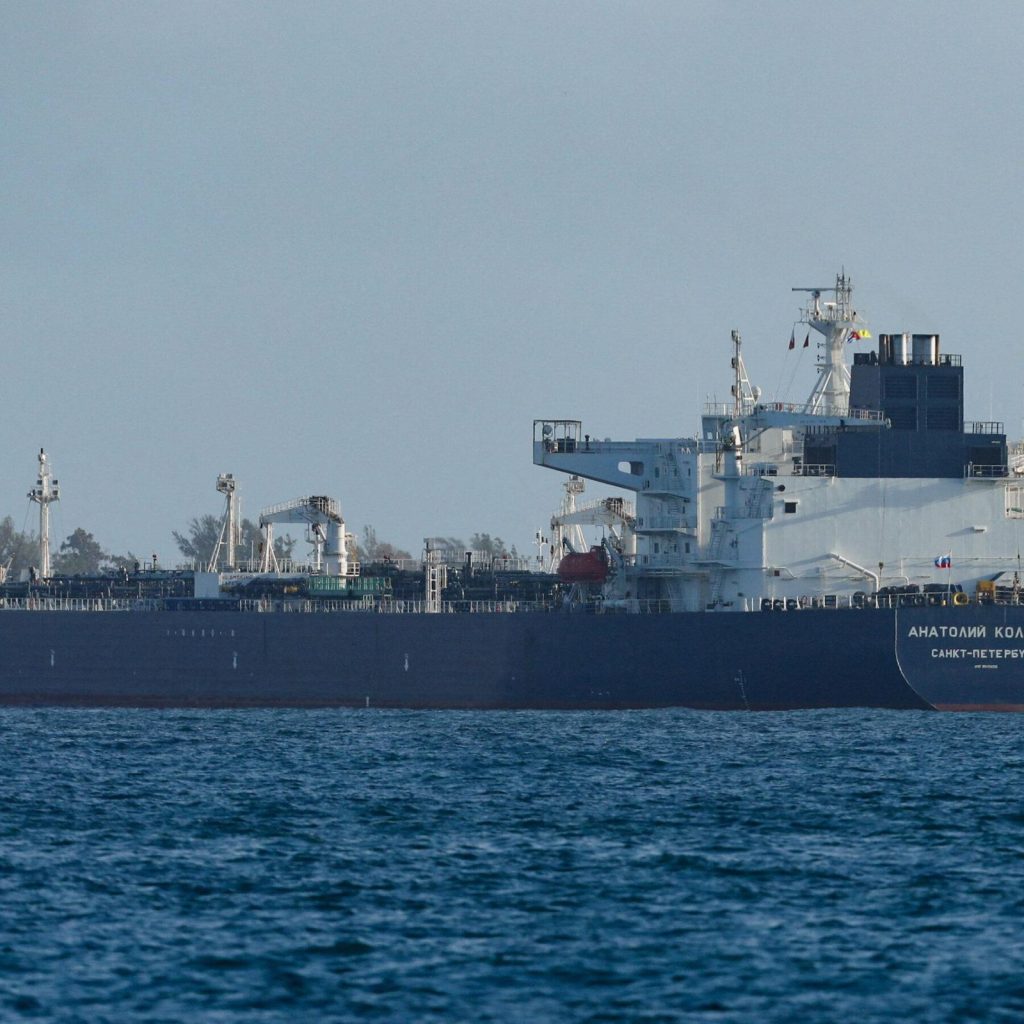
extends russian waiver deadline:
In a significant development, the United States has revised its stance on Russian oil waivers, replacing the earlier waiver with a general license that extends the deadline to May 16. This move is seen as a crucial step in managing global oil market uncertainty, particularly in light of rising tensions with Iran. The revised timeline is expected to have a ripple effect on the global energy landscape, with several countries, including India, closely watching the situation unfold.
The earlier waiver on Russian oil had been a subject of much debate, with the US government initially imposing sanctions on Russian oil exports. However, the waiver had provided a temporary reprieve, allowing certain countries to continue importing Russian oil. The new general license replaces this waiver, effectively pushing the deadline to May 16, and providing a new timeline for companies to adjust their oil imports.
The US decision to extend the deadline is likely to have a positive impact on India, which has been a significant importer of Russian oil. The Indian government has been engaged in diplomatic efforts to ensure a stable supply of oil, and the revised deadline provides a welcome relief. With the global oil market already facing uncertainty due to the ongoing conflict with Iran, the US move is expected to help stabilize the market and provide a degree of predictability for oil-importing countries.
The global oil market has been on edge in recent months, with the conflict with Iran leading to concerns about supply disruptions. The US decision to extend the Russian oil waiver deadline is seen as a pragmatic step, aimed at mitigating the risks of a supply shortage. As the situation continues to evolve, oil-importing countries will be closely watching the developments, seeking to ensure a stable and reliable supply of oil.
The revised deadline of May 16 provides a new timeline for companies to adjust their oil imports and explore alternative sources. The US government’s decision to extend the deadline is likely to be seen as a positive step, particularly in light of the ongoing global market uncertainty. As the situation continues to unfold, it remains to be seen how the revised deadline will impact the global oil market and the countries that rely heavily on oil imports.