 CPI(M) turns the heat on Keralam govt. over SMA drug controversy
  Finnish puppy livestream boosts pet ownership and sales.
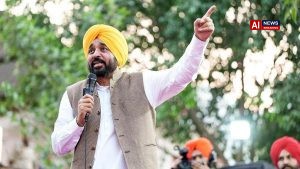
  Punjab CM alleges he was made to sit at Delhi airport, officials told him they were ‘under pressure from above’
 US Pressures Allies and China to Join Trump’s Economic War on Iran as Sanctions Threat Escalates
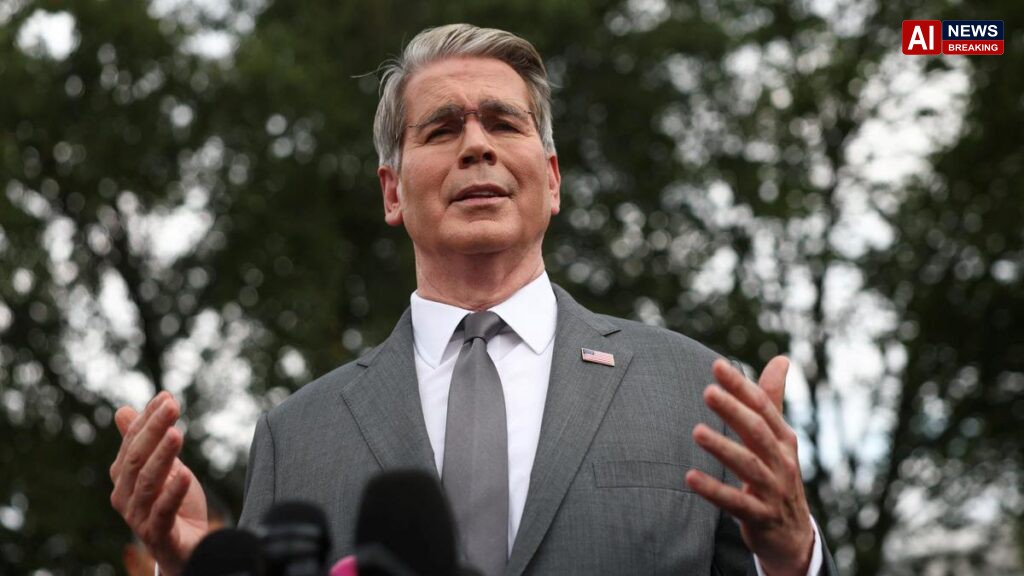
US Pressures Allies and China to Join Trump's Economic War on Iran as Sanctions Threat Escalates - AI News Breaking
pressures allies china join:
Washington: The United States is intensifying its economic campaign against Iran, urging allies and China to join President Donald Trump’s effort to isolate Tehran as the nearly six-month-old conflict enters a new and increasingly uncertain phase.
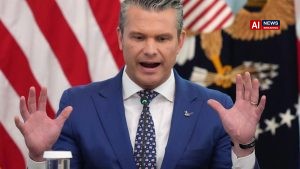
US Treasury Secretary Scott Bessent said Washington plans to impose what he described as the “toughest sanctions in history” against Iran and warned countries and companies continuing to do business with Tehran that they could face the full force of the US financial system.
The shift represents a major change in emphasis for the Trump administration. While military pressure remains in place, Washington is now seeking to use sanctions, financial restrictions and economic isolation to weaken Iran and push its government toward a settlement.
Bessent said the administration’s objective is to create an unprecedented level of coordinated economic isolation around Iran. He also suggested that maximum economic pressure could reduce the likelihood of another large-scale US military operation against Tehran, although he cautioned that such an outcome was not guaranteed.
Washington Sends Strong Message to Allies
Bessent made clear that the new strategy will not be limited to US companies or financial institutions.
The Treasury secretary called on American allies to decide whether they would support Washington’s campaign or continue commercial relations with Iran.
He warned that governments and businesses involved in activities such as transferring money to Iran, purchasing Iranian oil or providing shipping services could become targets of US enforcement measures.
The message effectively places pressure on countries that have historically maintained some level of trade with Tehran despite years of US sanctions.
Washington now wants those countries to participate in a much broader effort to cut Iran off from international finance and energy markets.
China Becomes a Major Focus
China is likely to be one of the most important tests of the American strategy.
China remains a major buyer of Iranian oil, making Beijing’s cooperation potentially critical to Washington’s efforts to reduce Tehran’s energy revenues.
When asked whether China could face pressure, Bessent did not provide a detailed answer but urged Beijing to “get with the program.” He also indicated that some discussions with China would be better conducted privately.
Bessent argued that China itself has an economic interest in stabilising the situation because a large share of its energy supplies comes from the Gulf.
The Strait of Hormuz is therefore central to the US argument.
Strait of Hormuz at the Centre of the Crisis
The strategic Strait of Hormuz remains one of the most important pressure points in the conflict.
The waterway is a critical route for global energy shipments, and disruptions have contributed to higher oil prices and increased concerns about supply security.
Bessent said Washington wants the strait reopened and argued that lower energy prices would benefit China and other major economies.
The US strategy therefore appears to have two interconnected objectives: increase economic pressure on Iran while restoring the flow of energy through the Gulf.
Trump Threatens Countries Doing Business With Iran
The latest Treasury push follows Trump’s warning that countries providing an economic “lifeline” to Iran could face severe consequences.
Trump has described the campaign as the “most crushing” economic operation ever undertaken against a country and called it economic warfare and unprecedented isolation.
The administration has not yet released the full details of the measures.
Bessent said further information would be provided at a Treasury press conference scheduled for Monday.
That leaves businesses, banks, shipping companies and governments waiting to determine exactly how Washington intends to enforce the new policy.
Oil Markets Watch the Next Move
The escalating economic pressure is also affecting global energy markets.
Oil prices have risen as traders assess the possibility that additional sanctions could further disrupt Iranian exports or complicate shipping through the Gulf.
The administration, however, appears to believe that economic pressure can ultimately contribute to lower energy prices by reopening the Strait of Hormuz.
That creates a complicated calculation for markets.
If sanctions succeed in forcing negotiations and shipping normalises, crude prices could fall.
If the measures instead trigger further confrontation, restrictions or retaliation, oil prices could remain elevated.
Iran Rejects US Economic Pressure
Iran has rejected Washington’s latest threats, describing US sanctions as “economic terrorism” and arguing that the policy will fail.
Iranian Foreign Minister Abbas Araghchi criticised the American strategy and suggested that Washington’s economic problems were being overshadowed by its campaign against Tehran.
Iran has endured years of US sanctions and has developed alternative trading and financial channels to maintain economic activity.
That history means the effectiveness of another sanctions campaign remains uncertain.
A Shift Toward Regime Pressure
Bessent’s language also suggests that Washington’s objectives may be becoming broader.
The Treasury secretary said the economic campaign is intended to “collapse” the Iranian regime, a formulation that goes beyond simply limiting Iran’s nuclear capabilities.
The Trump administration had previously framed the conflict primarily around preventing Tehran from obtaining a nuclear weapon.
The latest statements indicate that economic pressure and political change inside Iran are now much more prominent elements of Washington’s strategy.
Military Escalation Still Possible
Despite the shift toward economic warfare, the possibility of renewed military action has not disappeared.
Bessent said maximum economic pressure could make a large-scale military restart less likely, but he explicitly qualified that assessment.
The conflict therefore remains unpredictable.
If economic pressure fails to produce the desired response from Tehran, Washington could face a decision over whether to intensify sanctions further, pursue diplomacy or return to military options.
China Faces a Difficult Choice
For Beijing, the situation presents a complicated strategic calculation.
China has strong economic interests in maintaining access to energy from the Gulf while also preserving its relationship with Iran.
At the same time, openly joining the American sanctions campaign could conflict with China’s broader foreign-policy position against unilateral sanctions and economic coercion.
China’s embassy has already argued that sanctions and pressure are not effective solutions and called for diplomatic efforts instead.
That makes full Chinese participation in Washington’s campaign far from certain.
Xi Jinping’s Planned Washington Visit
The issue could become even more important when Chinese President Xi Jinping is expected to visit Washington in September.
The Iran conflict and the economic pressure campaign are likely to form part of the broader US-China discussions.
Any agreement between Washington and Beijing over Iranian oil, shipping or sanctions enforcement could have a significant impact on global energy markets.
Conversely, disagreement could add another layer of tension to already complicated US-China relations.
Europe and Other Allies Under Pressure
Washington’s message is also directed at its European and other international partners.
Many countries have economic relationships with Iran even though those relationships have been constrained by sanctions.
The US now wants allies to participate in a more comprehensive economic isolation campaign.
That could create difficult choices for European governments and companies.
Businesses that continue operating with Iranian partners may have to assess the risk of US penalties, while governments must balance relations with Washington against their own economic and diplomatic interests.
Shipping Companies Could Face Greater Risk
Shipping is another area likely to come under intense scrutiny.
Iranian oil exports depend on maritime transportation, while the wider Gulf economy depends heavily on international shipping.
Bessent specifically referred to seaborne transportation as an area where Washington could enforce its economic pressure.
If shipping companies, insurers and financial institutions become more cautious about Iranian-related cargoes, Tehran’s ability to export oil could come under additional pressure.
However, tighter restrictions could also contribute to higher global freight and energy costs.
Financial System as Washington’s Main Weapon
The US Treasury has long used the international financial system as one of its most powerful tools against sanctioned countries.
Banks and financial institutions with exposure to the US market can face significant risks if they violate American sanctions.
The latest campaign could therefore attempt to make Iranian trade increasingly difficult even in countries that do not formally support US sanctions.
The effectiveness of this strategy comes from the central role of the US dollar and American financial institutions in international commerce.
What the New Strategy Means for Iran
For Tehran, the consequences could be substantial if Washington succeeds in convincing major buyers, banks and shipping companies to reduce their dealings with Iran.
Lower oil revenues would put additional pressure on government finances.
Restrictions on foreign exchange could make imports more expensive.
Further isolation could also affect investment and industrial activity.
But Iran’s ability to adapt to sanctions means the outcome is not predetermined.
The country has previously relied on alternative trading arrangements, intermediaries and informal networks to maintain access to international markets.
Global Economy Faces New Risks
The consequences of the economic campaign could extend far beyond Iran.
If oil prices remain elevated because of continued disruption around Hormuz, countries dependent on imported energy could face higher inflation.
Higher fuel prices can increase transportation and production costs and potentially complicate monetary policy decisions.
Emerging economies with large energy import bills could be particularly vulnerable.
For India and other major Asian energy consumers, the stability of Gulf oil supplies remains a critical concern.
The Bigger Geopolitical Picture
The latest developments demonstrate how the Iran conflict is increasingly becoming an economic confrontation involving multiple major powers.
The United States wants allies and rivals to participate in isolating Tehran.
Iran is rejecting the pressure.
China is being asked to make a strategic choice.
European countries and other US partners are being encouraged to follow Washington’s lead.
Meanwhile, global energy markets are watching the Strait of Hormuz.
The outcome could therefore reshape not only US-Iran relations but also broader international trade and energy relationships.
What Comes Next?
The next major development is expected to come from the US Treasury’s planned briefing on Monday, when Bessent has said more details of the economic campaign will be released.
Markets and governments will be watching for information on:
- Which countries could face secondary sanctions
- Whether Chinese companies will be specifically targeted
- How Iranian oil exports will be restricted
- What measures will be applied to shipping companies
- Whether banks involved in Iranian transactions will face penalties
- How Washington plans to pressure allies to participate
- Whether the campaign is linked to new diplomatic conditions for Tehran
Those details could determine whether the current economic pressure remains primarily a threat or develops into one of the most extensive sanctions campaigns against Iran in decades.
Key Points
- The US plans what Scott Bessent calls the “toughest sanctions in history” against Iran as Washington shifts toward intensified economic pressure.
- Washington is urging allies and China to join the campaign, with Bessent telling Beijing to “get with the program.”
- Iran has rejected the US strategy as “economic terrorism” and says the pressure campaign will fail.
- The Strait of Hormuz remains central to the confrontation, with Washington seeking both economic pressure on Iran and restoration of energy flows.
- Further details of the US sanctions campaign are expected Monday, potentially revealing how Washington plans to target Iran’s oil, finance and shipping networks.
The Trump administration is moving the Iran conflict into a new phase in which economic isolation is becoming the principal instrument of pressure.
Scott Bessent’s appeal to allies and China shows that Washington believes unilateral sanctions will not be enough. The administration wants a coordinated international effort targeting Iranian oil revenues, financial transactions and shipping connections.
China is likely to be the biggest test of that strategy because of its importance to Iranian oil exports and its broader economic relationship with Tehran.
At the same time, the Strait of Hormuz remains the critical variable. A successful diplomatic settlement that restores normal shipping could ease oil prices and reduce the risk of further military escalation. But if economic pressure produces retaliation rather than negotiations, the global energy market could face another period of severe volatility.
For now, Washington is betting that economic pressure can achieve what military force has struggled to accomplish: force Tehran toward a political settlement without triggering another large-scale military escalation.