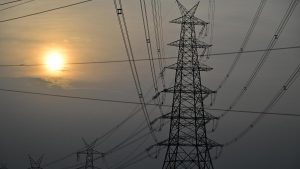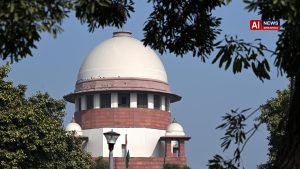
 CSD urges govt to drop Gram Sabha consent rule for projects
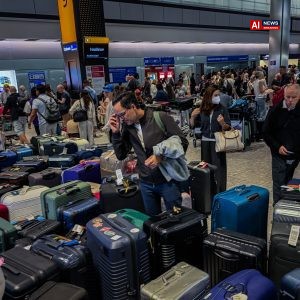
  NATS glitch causes major Heathrow flight delays and cancellations
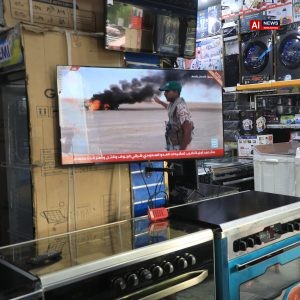
  Yemen Tilts Toward Full-Scale War as Saudi-Houthi Clashes Escalate
  Syrian weapons depot explosion kills 14 in Idlib
 Venezuela earthquake rescue efforts hampered by aftershocks
** A powerful earthquake has struck Venezuela, causing widespread destruction and loss of life. Rescue efforts are underway, but aftershocks and damaged infrastructure are hampering the search for survivors. The international community is calling for aid to be delivered quickly to prevent a wider humanitarian crisis.
Venezuela quake rescue window narrows as aftershocks deepen crisis Aid workers and rescuers in Venezuela are racing against time to locate survivors after a powerful 7.3 magnitude earthquake struck the country, but the window of opportunity to find people alive is rapidly narrowing. The earthquake, which struck at around 12:30 local time on Sunday, has left widespread destruction and loss of life, particularly in the southern regions of Monagas and Sucre. Rescue teams, including local emergency responders and international aid workers, are scrambling to search for survivors in the rubble, but they face significant challenges in this effort..
The earthquake has not only caused damage to buildings and infrastructure but also knocked out power lines and communication networks, making it difficult for rescuers to access affected areas. Moreover, the aftershocks that have been occurring since Sunday, some of which have been of magnitude 5 or higher, are hampering rescue efforts and making it challenging to locate survivors. According to official reports, at least 25 people have been confirmed dead, with over 300 injured, although the numbers are expected to rise..
Many families have been left homeless, and the local authorities are struggling to provide shelter and medical aid to those affected. Local residents are also showing their resilience in the face of adversity, with many people offering shelter to those forced out of their homes by the earthquake. President Nicolas Maduro, who has been facing growing criticism for his handling of the economic crisis in the country, has pledged that the government will do everything in its power to assist those affected by the earthquake..
However, the international community has expressed concerns over the potential for a wider humanitarian crisis and has called for aid to be dispatched to the affected areas as quickly as possible. The US, which had already imposed economic sanctions on Venezuela, is one of the countries that has offered aid to the country. In the aftermath of the earthquake, many have pointed to the failure of Venezuela’s buildings and infrastructure to withstand the disaster, citing the country’s economic crisis, which has led to a shortage of basic materials, including concrete and steel..
The lack of investment in disaster preparedness and mitigation measures has also been identified as a contributing factor to the severity of the crisis. The Venezuelan government has ordered a state of emergency in the hardest-hit regions, and has deployed the military to assist with relief efforts. Local residents have come out in force to offer support to their neighbors, with many people opening their homes to those left homeless..
However, the scale of the disaster has exceeded expectations, with widespread damage to homes, businesses, and vital infrastructure. International aid is starting to arrive in Venezuela, with the US, Spain, Colombia, and other countries dispatching planes, ships, and emergency supplies. However, the delivery of aid is being hampered by the country’s economic crisis, with food, medicine, and other essential supplies in short supply..
The situation has also highlighted the ongoing political divisions within the country, with opposition politicians criticizing the Maduro government for its handling of the crisis. Many of the people affected by the earthquake are struggling to access basic necessities such as food, water, and medical care. As the situation continues to deteriorate, many aid workers and local residents are warning that the full extent of the disaster has not yet fully come to light, and that the worst is yet to come..
The crisis is deepening due to ongoing aftershocks, which have caused further damage and casualties. Despite the scale of the disaster, aid workers and local residents have shown remarkable resilience and determination in the face of adversity. Many people have come together to offer support and solidarity to those affected, with volunteers working tirelessly to distribute aid and provide medical care to those in need..
The situation is also taking a toll on the country’s already-strained healthcare system, with medical supplies and equipment in short supply. Many hospitals have been forced to close due to damage, and medical staff are struggling to cope with the influx of patients. Local residents and aid workers are working together to find ways to provide medical care to those in need..
However, the international community is facing growing concerns over the potential for a wider humanitarian crisis in Venezuela. Human rights organizations are warning that the situation could descend into chaos unless aid is delivered quickly and on a large scale. The situation has also highlighted the need for investment in disaster preparedness and mitigation measures, to prevent similar disasters in the future..
In the aftermath of the earthquake, there have been growing calls for the Venezuelan government to take action to address the country’s underlying economic and social crisis. Many experts believe that the country’s economic woes, which have led to widespread poverty and shortages of basic goods, have made it particularly vulnerable to the disaster. Rescuers continue to search for survivors, but it is clear that the window of opportunity to find people alive is rapidly narrowing..
As the situation in Venezuela continues to deteriorate, there are growing concerns over the potential for a wider humanitarian crisis, and the international community is calling for urgent action to assist those affected by the earthquake..
Updated: June 29, 2026
The disaster in Venezuela serves as a stark reminder that economic instability can have devastating consequences, making a country more vulnerable to natural disasters and hindering its ability to respond effectively. As the international community rallies to provide aid, it’s clear that a long-term solution to Venezuela’s economic crisis is crucial to preventing such tragedies in the future.