Europe warns of Russia’s hybrid attacks but struggles to counter them
  Former chief election commissioner calls SIR scheme illegal.
  A Corruption Scandal Is Reshaping Brazil’s Presidential Election
  US citizen injured in Illinois after ICE agents mistook him for fugitive, tried to arrest him
  At 10 years old, Smithsonian’s Black museum is undaunted amid pressure from Trump administration
 Women’s Quota Bill and Delimitation Amendment Blocked in Indian Lower House
** The Indian government’s efforts to reform the electoral system have hit a roadblock as the opposition blocked two key legislative proposals, including the Women’s Reservation Bill and the 131st Constitution Amendment Bill. The bills aimed to reserve 33% of seats in the Lok Sabha for women and revise the electoral delimitation process, respectively. The outcome will be closely watched by observers and analysts as the battle for electoral reform in India continues.
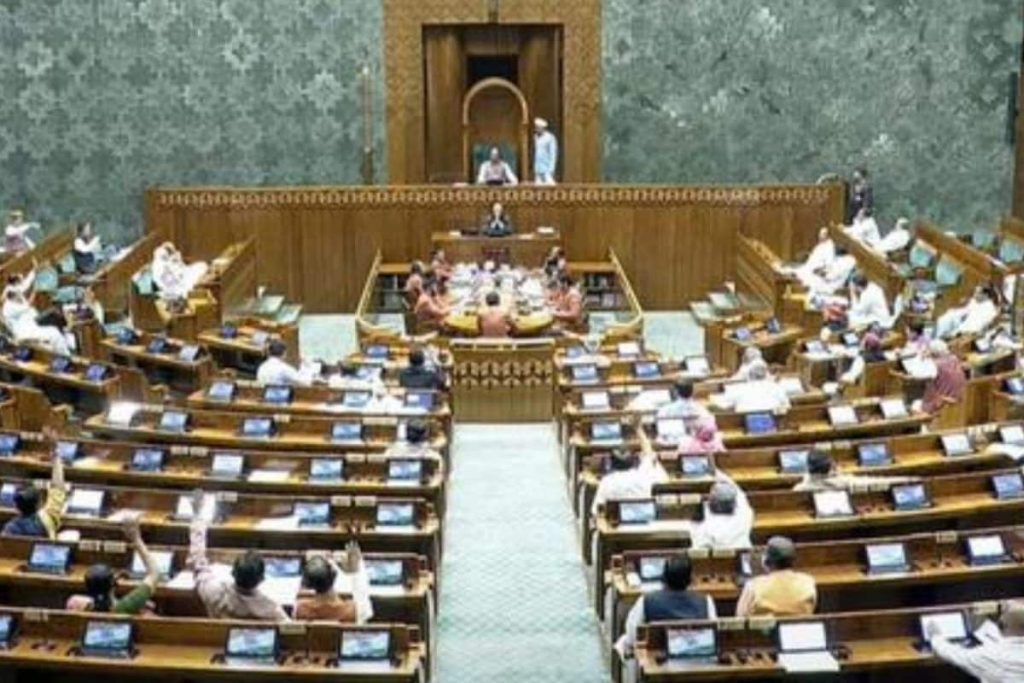
womens quota bill delimitation:
In a significant setback for the Indian government, opposition parties have successfully blocked two key legislative proposals in the Lok Sabha (lower house of parliament). The defeat of the government’s Women’s Reservation Bill, designed to reserve 33% of seats in the Lok Sabha for women, and the 131st Constitution Amendment Bill, aimed at revising the country’s electoral delimitation, has stalled these crucial reforms.
The 131st Amendment Bill aimed to decouple the women’s quota from the post-2026 census, allowing for a separate electoral delimitation process. This would have expanded the Lok Sabha from 543 to 794 seats, potentially giving the opposition more representation in the lower house. However, the opposition parties, citing concerns over gerrymandering and potential electoral manipulation, voted against the bill.
As a result, the government’s efforts to reform the electoral system remain stalled. The Women’s Reservation Bill, a long-standing demand of women’s rights activists and opposition parties, has been repeatedly introduced and withdrawn since 2010. Despite its defeat, the bill’s sponsors have vowed to continue fighting for women’s representation in the Lok Sabha.
The blocking of these bills has sparked heated debate in Indian politics. While some have hailed the opposition’s move as a victory against the government’s alleged attempts to “gerrymander” the electoral system, others see it as a missed opportunity to reform the archaic electoral system. One thing is clear, though: the fate of these bills, and indeed the future of India’s electoral landscape, remains uncertain.
The opposition’s tactics have been hailed as a significant win by some, while others have criticized them as a form of “betrayal” of the people’s aspirations for electoral reform. The ruling party has vowed to continue pushing these reforms, promising that they will be back on the agenda soon. The battle for India’s electoral future is far from over.
The Lok Sabha’s rejection of these bills is a significant setback for the government’s reform agenda, which had promised to improve representation and ensure more inclusive governance. The outcome will be carefully watched by observers and analysts, who will be monitoring the next move in what promises to be a long and contentious battle for electoral reform in India.