
 Pakistan’s leaders hail first astronaut aboard Chinese craft: ‘Proud one of us has gone into space’
 British tourist travels 29 hours from Mumbai to Amritsar for ₹5,461, rates Indian Railways 10/10 | Viral video
 The Supreme Court will decide whether assault weapons bans violate the Second Amendment
 A Critic of Beijing Falls Short in Taiwan’s Key Mayoral Election
 EPA says no rise in contamination after Army detonates lead azide stockpile in Iowa
They Bought Their Dream Home. Their Neighbors Want to Evict Them.
**
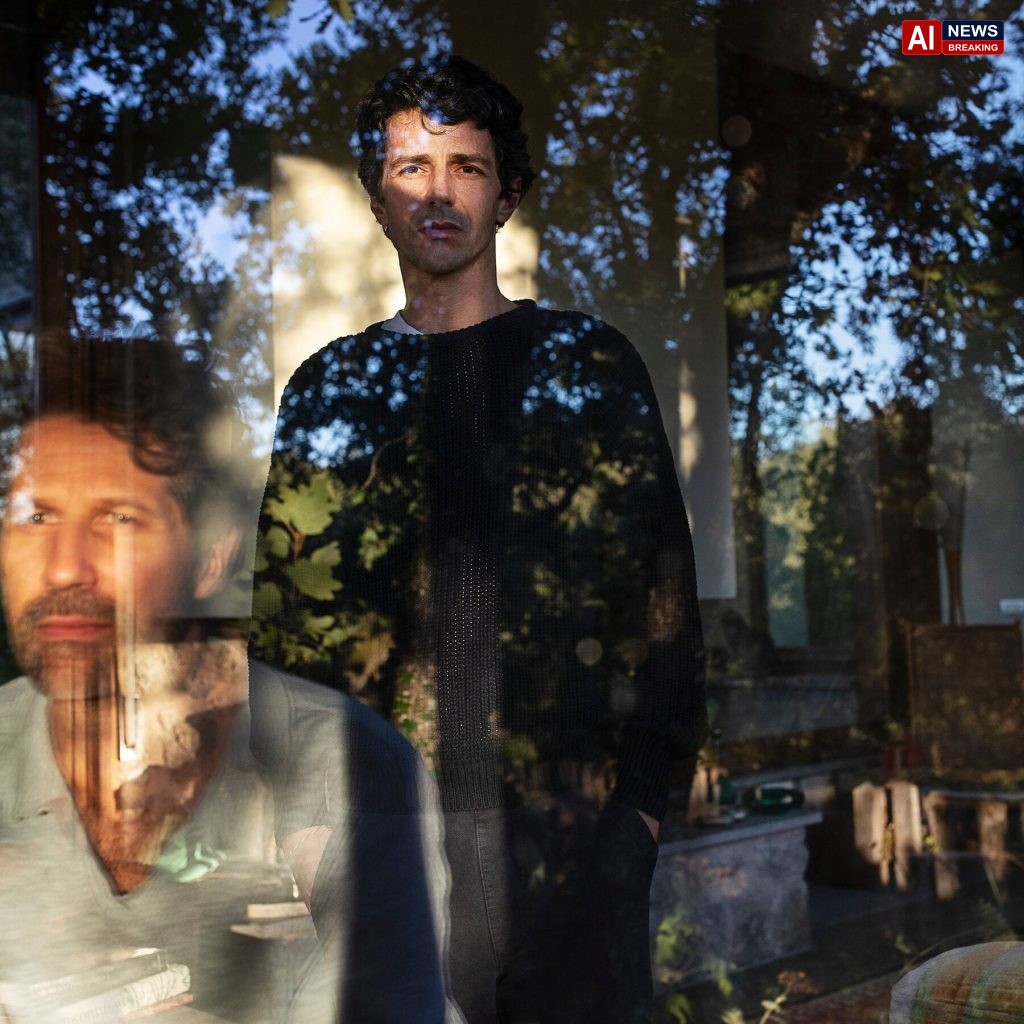
They Bought Their Dream Home. Their Neighbors Want to Evict Them. - AI News Breaking
An Italian couple from Bologna, Marco and Sofia Bianchi, have found themselves at the centre of a dispute that pits cultural heritage against rural property rights. In June 2023 the pair purchased a modest stone farmhouse in the hills of Ostia, a village near Rome, that was originally built in the 1970s by the celebrated film director and writer Pier Paolo Pasolini. The property, known locally as “La Casa del Poeta,” had long been a symbol of Pasolini’s unconventional life and work, and its acquisition was hailed by some as a welcome preservation of the director’s legacy..
Yet the Bianchis now face a campaign by neighbouring landowners who claim the house is communal property and have lodged legal proceedings seeking to evict the new owners.The farmhouse, set back from the narrow cobbled lane that winds through the olive groves, was part of a larger parcel of land owned by a cooperative of local families in the early 1970s. Pasolini, who had a reputation for living on the margins of society, was granted use of a small section of the land by the cooperative on the condition that he would build a simple dwelling for his own use and for occasional gatherings of friends and collaborators. Over the decades the structure fell into disrepair, and after Pasolini’s death in 1975 the property was left unoccupied, its ownership becoming increasingly ambiguous.When the Bianchis first learned of the house, they were drawn by its connection to Pasovani’s artistic legacy and the prospect of restoring a piece of Italian cultural history..
Their purchase was facilitated through a notary in Rome who presented a title deed indicating that the property had been transferred to a private individual in the early 1990s, a transaction that had gone largely unnoticed by the village community. The couple invested several hundred thousand euros in renovations, hiring local craftsmen to repair the crumbling walls, replace the roof, and install modern utilities while preserving the original stonework that characterised Pasolini’s modest aesthetic.However, the restoration did not go unchallenged. In late 2023, a group of eight villagers, including two members of the original cooperative, filed a civil suit alleging that the farmhouse had never been legally separated from the communal land and that the notary’s documentation was flawed..
They argue that the property should remain a shared space for the community, used for cultural events, festivals and as a public reminder of Pasolini’s radical ideals. The plaintiffs contend that the Bianchis’ exclusive ownership threatens the collective memory of the area and undermines the principle of “uso comune” that has governed local land use for generations.The case has sparked a wider debate about the intersection of private property rights and cultural preservation in Italy. Legal scholars note that Italian law contains provisions for “beni culturali” – cultural heritage assets – that can be protected regardless of ownership, but the application of those provisions to privately held residences remains contentious..
In a recent interview, Professor Laura Conti of the University of Rome’s Faculty of Law explained that “the court will have to decide whether the historical significance of the building outweighs the contractual rights established in the 1990s.” She added that the outcome could set a precedent for similar disputes involving historic homes, churches and even industrial sites across the country.Local authorities have so far remained neutral, citing the need to allow the judiciary to resolve the matter. The mayor of Ostia, Giulia Romano, expressed sympathy for both sides, stating that “the village values its heritage and also respects the legal processes that protect property owners.” She indicated that the municipal council is prepared to mediate if the parties seek an out‑of‑court settlement, perhaps by establishing a joint‑use agreement that would allow the Bianchis to retain ownership while granting the community access for cultural activities.Meanwhile, the Bianchis have appealed to public opinion, launching a crowdfunding campaign to support their restoration efforts and to raise awareness of Pasolini’s contribution to Italian cinema and literature. Their online appeal has attracted donations from film enthusiasts, academics and members of the Italian diaspora, many of whom see the couple’s struggle as emblematic of a broader battle to safeguard artistic heritage from bureaucratic inertia..
The couple has also reached out to the Pasolini Foundation, a nonprofit organization dedicated to preserving the director’s works, which has expressed tentative support pending the legal outcome.The villagers, on the other hand, have organised a series of peaceful protests outside the farmhouse, displaying banners that read “La Casa è di tutti” (“The house belongs to all”) and holding readings of Pasolini’s poetry. They argue that the house’s symbolic value extends beyond its physical structure and that turning it into a private residence would erode the collective identity of the community. Some residents have suggested converting the property into a small museum or cultural centre, a proposal that would require significant funding and bureaucratic approvals but could reconcile the competing interests.As the case proceeds through the civil court in Rome, both sides have filed expert testimonies..
Architectural historians have been called upon to verify the building’s authenticity as a work of Pasolini, while land registry officials have been tasked with tracing the chain of title back to the original cooperative agreement. The court’s decision, expected by mid‑2025, will hinge on whether the documentation presented by the notary can be deemed legally sufficient, and whether the cultural value of the site can be formally recognised under existing heritage protection statutes.Regardless of the verdict, the dispute underscores the delicate balance between preserving Italy’s rich cultural tapestry and respecting the rights of private citizens. For the Bianchis, the house represents a dream realised, a tangible link to a cinematic legend they admired..
For the neighbours, it embodies a shared memory that they fear could be lost if the property is confined behind locked gates. The unfolding legal saga will be watched closely by heritage advocates, property owners and cultural institutions alike, as it may chart a new course for how Italy negotiates the stewardship of its artistic landmarks in an era of changing ownership patterns..
Updated: November 26, 2026
A Bologna couple who spent hundreds of thousands restoring Pasolini’s 1970s stone farmhouse in Ostia now face a lawsuit from villagers who claim the house remains communal property, sparking a debate over private ownership versus cultural heritage. The court’s ruling, due by mid‑2025, could set a precedent for how Italy protects historic sites that sit on disputed land.
The case may force Italy to rewrite heritage law, blurring the line between private ownership and collective memory, lest cultural icons become locked away behind deeds.
If courts tip toward communal stewardship, it could embolden other grassroots claims, reshaping how the nation safeguards its artistic landmarks for future generations.






