A Critic of Beijing Falls Short in Taiwan’s Key Mayoral Election
 EPA says no rise in contamination after Army detonates lead azide stockpile in Iowa
 Israeli Strike Kills 2 Workers at Gaza Clinic, Doctors Without Borders Says
 McQueen Pre-Fall 2027
 Mushfiqur Rahim to retire from Test cricket in February 2027
Lured by High Salaries, Some Brazilians Were Duped Into Fighting for Russia
**
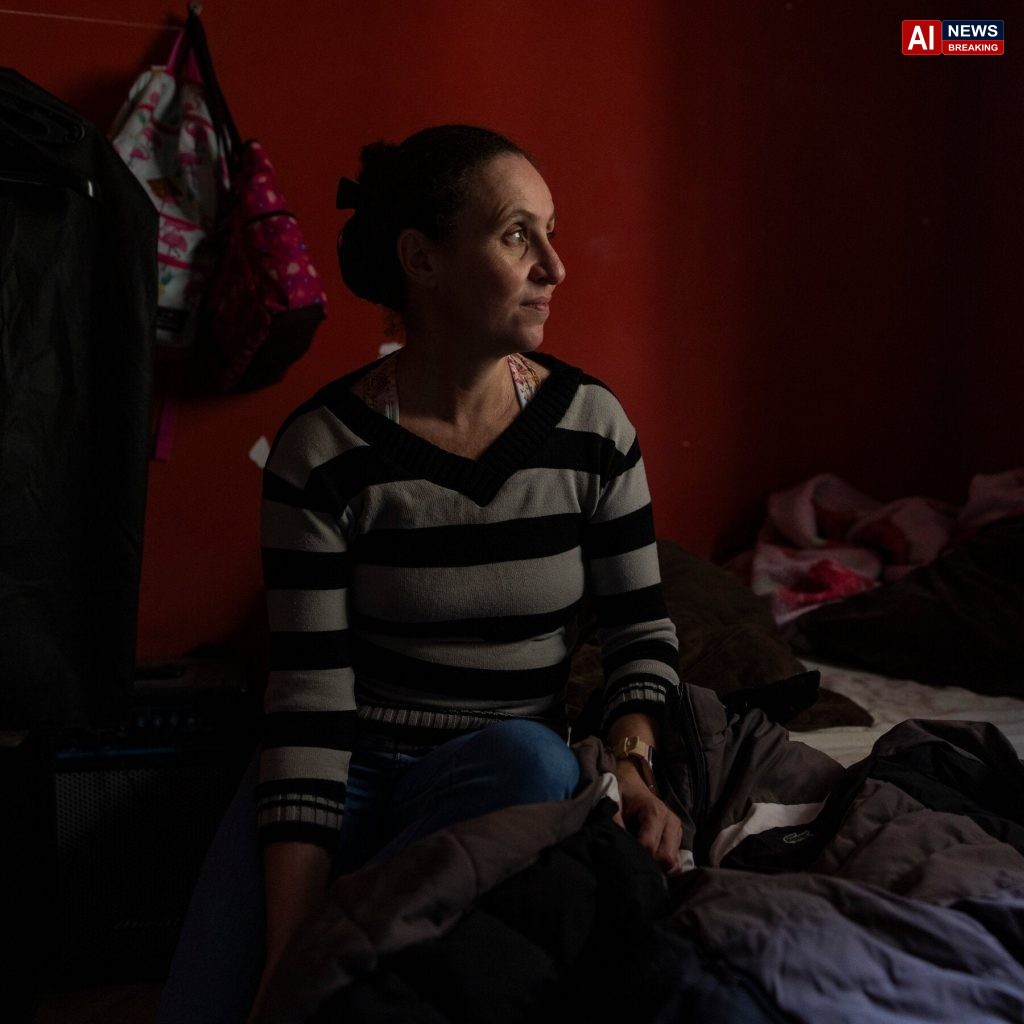
Lured by High Salaries, Some Brazilians Were Duped Into Fighting for Russia - AI News Breaking
lured high salaries some:
A wave of Brazilian volunteers who had travelled to eastern Ukraine to join the Russian-backed forces has now found themselves on the front lines without adequate training or clear command, according to testimonies from former soldiers and their families. The men and women, many of whom left behind jobs and relationships, were lured by promises of high pay and patriotic duty, only to discover that the incentives were far from what had been advertised.In a series of interviews conducted in São Paulo, several former volunteers described a recruitment drive that had taken place in 2021 and 2022. Recruiters, often former fighters themselves, used social media and word‑of‑mouth campaigns to spread the idea that the conflict was a short‑term mission, with a guaranteed salary that would allow participants to earn more than their average monthly wage in Brazil..
The salaries were described as “competitive,” “above the market rate,” and “sustainable” even after accounting for the cost of living in war‑torn territories.When the men arrived in Russia, they were initially welcomed into small camps near the front. The training they received was brief and largely focused on basic combat techniques, weapon handling, and navigation of the terrain. According to a former volunteer who wishes to remain anonymous, “we were taught how to set up a field dressing and how to use a rifle, but there was no tactical training or strategy briefing.” The lack of preparation, combined with the rapid escalation of fighting in the Donbas region, left many of the Brazilians ill‑prepared for the realities of modern warfare.Families back in Brazil reported a sudden spike in calls and messages from their relatives..
Some described a pattern of uncertainty, where volunteers would disappear for weeks before resuming contact, only to be replaced by a new contact who claimed to be a senior officer. In a few cases, the families received no response at all, leaving them in a state of prolonged anxiety. One mother, who lost her son, recounted that she had been assured of a safe return after a short deployment, yet her son was never seen again.The promised salaries have also been called into question..
Official documents released by a Brazilian defence procurement agency in March 2024 indicate that the payment system relied on informal arrangements and often used cash transfers via third‑party intermediaries. This arrangement left volunteers vulnerable to delays, fraud, and the risk of being left unpaid. Several former volunteers claimed that they received only a fraction of the promised amount, and that the rest was siphoned off by intermediaries who claimed to cover travel expenses.The Russian side has offered a different narrative..
A spokesperson for the Ministry of Defence stated that the volunteers were “voluntary citizens” who had signed contracts with the Ukrainian side and that their salaries were paid in accordance with the terms agreed upon. However, the documents referenced by the ministry were not accessible to independent auditors, and no third‑party verification of the payment structure has been provided. The lack of transparency has fueled suspicions that the promised salaries were either exaggerated or entirely fabricated.Investigative reports by international media outlets have highlighted that a number of these volunteers were recruited through informal networks that operated across borders..
These networks, often comprised of veterans and former paramilitary personnel, claimed to provide “training in exchange for a guaranteed wage.” The reality, however, appears to have been a mismatch between expectation and delivery, with many volunteers finding themselves on a battlefield without the requisite skill set.From a geopolitical perspective, the presence of foreign volunteers has implications for the broader conflict. The Russian defence ministry has long relied on volunteer forces to supplement its regular army, citing the need for manpower to maintain pressure on Ukrainian forces. The involvement of Brazilians, as well as volunteers from other Latin American countries, has raised questions about the legitimacy of these forces under international law..
Some legal scholars argue that the presence of foreign volunteers in a conflict that does not have formal recognition of a sovereign state could be considered illegal under international humanitarian law, thereby exposing both the volunteers and the state that sponsors them to legal scrutiny.In Brazil, the situation has triggered a debate over the safety of its citizens abroad and the responsibilities of the government. The Brazilian Ministry of Foreign Affairs has issued statements urging citizens to avoid involvement in foreign conflicts and has offered consular assistance to those who have been captured or detained. Meanwhile, opposition politicians have called for investigations into the recruitment practices of the volunteers and have demanded that the state be held accountable for any financial improprieties.The impact on the individuals themselves is profound..
Many volunteers who returned to Brazil after being released from front lines report physical injuries, psychological trauma, and a sense of betrayal. Several have expressed a desire to join social support groups for veterans of foreign conflicts, a nascent movement that aims to provide counseling and reintegration assistance. The long‑term consequences of such experiences remain uncertain, particularly given the stigma that still surrounds combat involvement for civilians.As the conflict continues to evolve, the fate of the Brazilian volunteers remains a pressing issue..
While some have been repatriated, others continue to serve on the front, with no clear timetable for return. The promises of high salaries, once a powerful lure for those seeking adventure or financial gain, have now turned into a cautionary tale about the perils of rapid recruitment and the necessity of transparent, verifiable agreements. The world will continue to watch closely as governments and international bodies grapple with the complexities of foreign volunteerism in an increasingly interconnected and volatile geopolitical landscape..
Updated: November 26, 2026
The “high‑pay” promise turned into a pay‑gap that left many Brazilians fighting with empty pockets and unfinished training, exposing how slick recruiters can exploit economic desperation.
This mis‑management not only jeopardises the volunteers’ safety but also signals a broader erosion of trust in state‑backed