A Critic of Beijing Falls Short in Taiwan’s Key Mayoral Election
 EPA says no rise in contamination after Army detonates lead azide stockpile in Iowa
 Israeli Strike Kills 2 Workers at Gaza Clinic, Doctors Without Borders Says
 McQueen Pre-Fall 2027
 Mushfiqur Rahim to retire from Test cricket in February 2027
After Cyberattacks and Bomb Threats Hit Europe, Survivalism Goes Mainstream
**
After Cyberattacks and Bomb Threats Hit Europe, Survivalism Goes Mainstream - AI News Breaking
cyberattacks bomb threats europe:
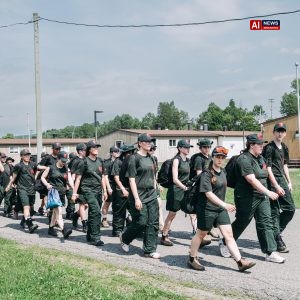
After a spate of high‑profile cyberattacks and bomb threats across the continent, a quiet shift has taken place in the everyday lives of many Europeans. In the weeks since the coordinated ransomware campaign that crippled several national transportation networks and the bomb scare that rattled a major financial hub, governments have stepped up their emergency preparedness messages. Citizens who once viewed survivalism as a fringe hobby are now being urged to stockpile supplies, learn basic first aid, and develop family emergency plans, with a growing number of households taking up the recommendations.The impetus for this change can be traced to the disruption caused by the cyberattack on the European rail system that began on Monday..
The malware, which targeted the signalling software used by the Union’s busiest intercity network, forced thousands of trains to be halted or rerouted. While the incident was contained before any casualties occurred, the economic impact was immediate. Travel delays cost an estimated €5 billion in lost productivity, and the sheer scale of the attack a vulnerability that many had not fully appreciated..
In the aftermath, the European Union’s cybersecurity commissioner released a statement calling for increased public awareness of cyber threats and encouraging individuals to maintain personal data backups and secure their home networks against ransomware.Simultaneously, a bomb threat was lodged against the central business district of a leading financial capital. Although no explosive device was discovered, the incident prompted a full‑scale evacuation of the area and a four‑hour shutdown of the stock exchange. The threat was traced back to a disgruntled former employee, but the sheer possibility of a real device infiltrating a high‑profile site reinforced the sense of fragility that had already been amplified by the cyberattack..
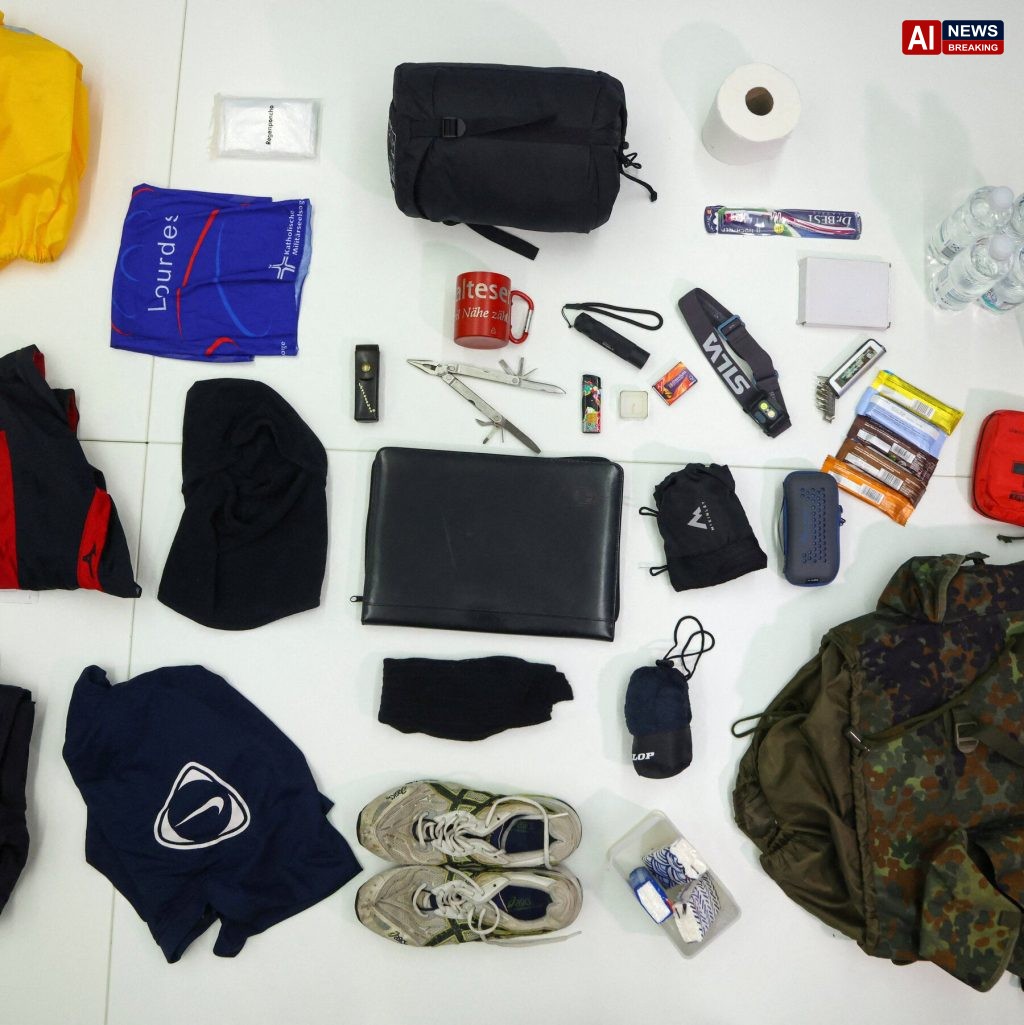
The incident prompted the national police to issue a public warning about the need for vigilance, advising citizens to report suspicious packages and to be prepared for rapid evacuations.Governments have responded with a coordinated set of measures that blend public service announcements, community outreach, and legal incentives. In the weeks following the incidents, several member states launched campaigns titled “Secure Your Home, Secure Your Future,” featuring television spots that depict families setting up emergency kits. The campaigns highlight three core actions: ensuring a supply of potable water and non‑perishable food for at least a week, learning basic first‑aid and fire‑fighting skills, and establishing a clear communication plan among household members..
These messages have been amplified by social media influencers who have taken to livestreaming their own preparedness routines, turning survivalism into a lifestyle trend that appears on the feeds of millions.The impact of these initiatives is already visible. In Germany, the federal statistics agency reported a 27 percent increase in households buying multi‑purpose emergency kits within the first month. In France, a survey of 2,500 respondents found that 64 percent had started learning how to set up an emergency shelter in their basements, a practice that had been almost unheard of before the attacks..
Similarly, in Spain, the Ministry of Interior noted a rise in the number of citizens registering for first‑aid courses, with enrollment numbers up by 15 percent compared to the same period last year.Survivalist organisations that had previously operated on the margins of society have been thrust into the mainstream spotlight. The European Survival Alliance, a coalition of groups that had been lobbying for better emergency training, saw its membership grow by more than 40 percent since the start of the campaigns. The organisation has adapted by offering online workshops that combine practical drills with theoretical knowledge about how to respond to a cyber‑security incident or a bomb threat..
By integrating digital safety with physical preparedness, they are providing a comprehensive approach that appeals to a broad audience.However, the mainstreaming of survivalism has not been without its critics. Some analysts argue that the focus on individual preparedness may divert attention from the systemic vulnerabilities that allowed the cyberattacks and bomb threats to succeed. “We cannot solve a problem of state‑level cyber resilience by simply asking citizens to buy batteries,” said Dr..
Maria Sanchez, a professor of public policy at the University of Milan. “If we rely on people to mitigate risks that are engineered into our critical infrastructure, we risk creating a false sense of security while systemic weaknesses remain unaddressed.” Meanwhile, others caution that the rise of survivalist culture could strain local resources, as people stockpile items that are already scarce.The economic implications of this cultural shift are significant. The demand for emergency supplies has spurred growth in a niche sector that was once a modest niche market..
Small businesses specialising in survival gear, from water purifiers to portable solar panels, report a surge in sales. A report by the European Small Business Association estimates that the market for emergency preparedness products is projected to grow at an annual rate of 8 percent over the next five years. This growth has not only boosted local economies but also prompted a wave of innovation..
Companies are now investing in research and development to create multi‑functional tools that combine traditional survival gear with smart technology, such as solar‑powered data backups and low‑energy communication devices.The cultural shift has also been reflected in the media. Television programs that previously focused on celebrity lifestyles now feature segments on home safety and disaster preparedness. Popular cooking shows have incorporated recipes that use non‑perishable ingredients suitable for emergency stockpiles..
Even music festivals have introduced “survivalist nights” where attendees receive basic kits as part of their ticket, blurring the line between entertainment and education. The integration of survivalist messaging into mainstream culture has made it less stigmatized and more relatable, especially to younger audiences who are keen on DIY projects and sustainability.Public policy responses have varied across the continent. In the United Kingdom, the Department for Environment, Food and Rural Affairs has issued guidelines on creating “green” emergency shelters that rely on renewable energy sources..
The guidelines encourage households to install solar panels and wind turbines to power essential appliances during power outages. In Belgium, a new tax incentive allows homeowners to claim deductions on the purchase of emergency kits and home security upgrades. These policies aim to make preparedness accessible to a wider demographic, reducing the economic barrier that traditionally prevented lower‑income households from investing in emergency supplies.The European Union’s role has also been pivotal..
A new directive on emergency preparedness was adopted in the European Parliament, mandating that member states incorporate survivalism education into their school curricula. The directive recommends that schools conduct annual disaster drills that include scenarios such as cyber‑attack induced power failures and bomb threats. By embedding preparedness into educational programmes, the EU hopes to create a generation that is both knowledgeable about cyber‑security and physically ready to face a range of emergencies.While the emphasis on personal preparedness is gaining traction, experts emphasise that it must be part of a broader strategy that includes robust public infrastructure and coordinated.
Updated: November 26, 2026
The surge in citizen‑level preparedness is a symptom, not a cure—if the public is trained to survive an outage, the state must also be trained to prevent the outage itself.
By turning survivalism into a marketable lifestyle, European governments risk diverting scarce resources into private kits while systemic cyber and physical vulnerabilities linger unaddressed.