A Critic of Beijing Falls Short in Taiwan’s Key Mayoral Election
 EPA says no rise in contamination after Army detonates lead azide stockpile in Iowa
 Israeli Strike Kills 2 Workers at Gaza Clinic, Doctors Without Borders Says
 McQueen Pre-Fall 2027
 Mushfiqur Rahim to retire from Test cricket in February 2027
Canada’s Arctic Reservists Know the Land. Fewer Young People Do.
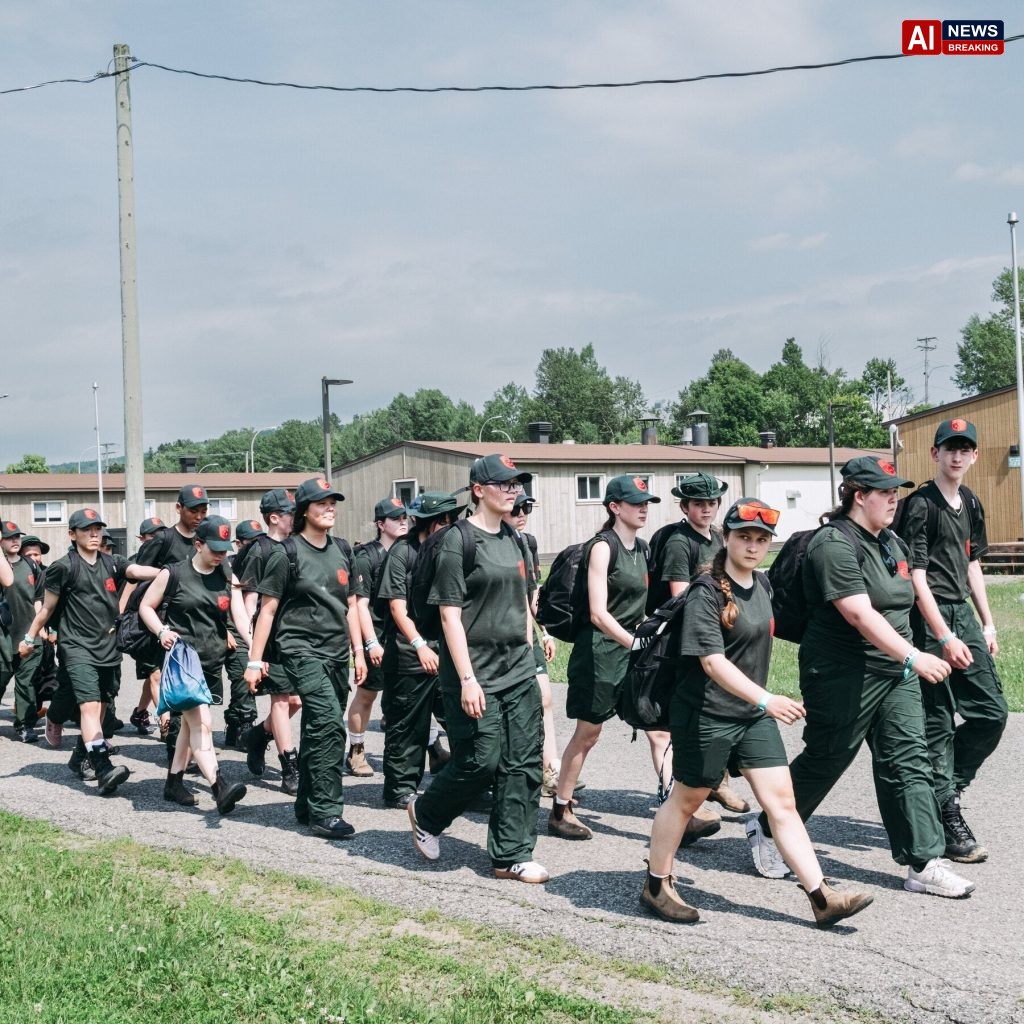
Canada’s Arctic Reservists Know the Land. Fewer Young People Do. - AI News Breaking
canadas arctic reservists know:
In the far‑north, where the ice is unbroken and the sky is a permanent twilight, a small cadre of Inuit and First Nations Rangers patrols the Arctic’s most hostile terrains. These reservists, many of them elders, have spent their lives learning to read the subtle shifts in the weather, to track the migration patterns of caribou, and to interpret the language of the land itself. Their knowledge, passed down through generations, is a living archive of the region’s ecological rhythms..
It has enabled the Canadian government to monitor wildlife, safeguard vital sea routes, and respond swiftly to environmental crises that would otherwise go unnoticed in such a remote expanse.However, the continuity of this expertise is increasingly in jeopardy. The new generation, born and raised in a world of instant connectivity, rarely follows the traditional paths of learning. While elders still offer lessons in the camps, the frequency and depth of those interactions have dwindled..
In many communities, children now spend more time on digital devices and less on sled rides across the tundra, gradually drifting away from the practices that once linked them to the land. Without the regular, hands‑on experience that has historically cultivated these skills, the Rangers’ knowledge base is shrinking, leaving a gap that future generations may not be able to fill.The loss of traditional knowledge has tangible consequences. Rangers are not merely ceremonial figures; they serve as the first line of surveillance against illegal fishing, poaching, and unauthorized shipping..
Their acute awareness of subtle environmental changes can detect the early signs of climate‑related disturbances. Recent reports have highlighted instances where a lack of localized expertise delayed the detection of a mass seal die‑off in the Beaufort Sea, illustrating the critical role Rangers play in safeguarding the region’s fragile ecosystems. When this knowledge is absent, the capacity for timely intervention is compromised, potentially leading to long‑term ecological damage.Policy makers have acknowledged these risks..
In 2019, the federal government announced the Arctic Ranger Support Initiative, aiming to increase funding for training and equipment for Indigenous Rangers. Yet, the initiative’s reach remains limited, focusing primarily on logistical support rather than cultural revitalization. Critics argue that without targeted programs to engage youth in traditional practices, the initiative will only offer temporary relief..
They contend that a holistic approach—integrating land‑based learning into formal education and community life—is essential for the sustained transmission of Indigenous expertise.Community leaders in Nunavut and the Northwest Territories are exploring innovative ways to reconnect youth with the land. In Iqaluit, a program pairs elders with high school students, sending them on weekly hunting and tracking expeditions. These mentorships combine hands‑on instruction with storytelling, ensuring that the intangible aspects of knowledge—such as the ethical stewardship of the environment—are conveyed alongside practical skills..
Similar initiatives have sprung up in Yellowknife, where local schools have introduced “Arctic Survival” courses that teach navigation, ice safety, and wildlife identification. By embedding traditional knowledge within educational curricula, communities hope to spark a renewed interest among younger generations.The role of technology in this transition is double‑edged. On one hand, digital tools can document and disseminate knowledge that might otherwise be lost..
High‑resolution satellite imagery, GIS mapping, and mobile apps now allow Rangers to record sightings, track migration routes, and share data with national databases in real time. On the other hand, the same technology can further distract youth from the tactile experiences that form the bedrock of Indigenous expertise. Striking a balance between harnessing modern tools and preserving hands‑on learning remains a central challenge for Arctic communities.There are also economic implications..
The Ranger workforce provides employment in remote communities, often where opportunities are scarce. As the number of trained Rangers dwindles, the potential for job creation in conservation and environmental monitoring correspondingly declines. Furthermore, the decline in traditional knowledge could hamper the development of Indigenous‑led tourism ventures that rely on authentic cultural experiences..
For instance, guided ice‑shoeing tours that highlight Inuit hunting practices depend on knowledgeable leaders; without them, such enterprises risk losing credibility and market appeal.Some scholars point to broader social factors contributing to the erosion of traditional knowledge. The legacy of residential schools and the ongoing impact of colonisation have disrupted cultural transmission for decades. Even in communities that have maintained strong cultural ties, the pressures of assimilation and the allure of urban life have drawn many young people away from their ancestral lands..
Addressing these deep‑rooted issues requires more than training programs; it demands systemic change, including support for language revitalisation, community autonomy, and the recognition of Indigenous governance structures.Internationally, Canada’s experience echoes similar trends in other Arctic nations. Across the Greenlandic, Norwegian, and Russian coastlines, Indigenous youth are confronting the same dilemma: how to honour ancestral practices while navigating a rapidly changing world. Collaborative research projects are now underway, bringing together Indigenous scientists from the Arctic to share strategies for knowledge preservation..
These partnerships highlight the importance of cross‑cultural dialogue, suggesting that solutions will likely be as diverse as the communities involved.In the face of climate change, the urgency to preserve traditional knowledge intensifies. As sea ice recedes and new shipping lanes open, the Arctic’s ecological balance hangs in a precarious equilibrium. The nuanced understanding that Indigenous Rangers bring—an intimate knowledge of weather patterns, ice conditions, and wildlife behaviour—could prove invaluable in monitoring the region’s response to global warming..
If this knowledge base erodes, the world risks losing a critical partner in its fight against environmental degradation.Ultimately, the future of Canada’s Arctic hinges on whether the next generation can bridge the gap between ancestral wisdom and contemporary realities. The government, Indigenous communities, and civil society must collaborate to create environments where young people can engage with the land, learn from elders, and apply that knowledge in both traditional and modern contexts. Only then can Canada ensure that its most inhospitable corners remain under the vigilant stewardship of those who have known them all their lives, and that the rich legacy of Inuit and First Nations Rangers continues to guide the nation into the uncertain decades ahead..
Canada’s Arctic Rangers—whose deep‑rooted knowledge safeguards wildlife and detects climate change—face a shrinking workforce as youth drift toward digital distractions, risking gaps in critical environmental monitoring. Communities and federal initiatives are now trialling mentorships and school curricula to rekindle hands‑on learning, yet a holistic approach that blends tradition with modern technology is essential to sustain this expertise for future stewardship.
If the Arctic’s first‑hand observers vanish, Canada’s climate‑watchdog turns into a blind spot, letting ice loss and illegal exploitation slip past unnoticed.
The only safeguard is a deliberate, culturally rooted apprenticeship that marries ancestral practice with modern tools—without it, the region’s ecological and economic futures hang in balance.