Europe warns of Russia’s hybrid attacks but struggles to counter them
  Former chief election commissioner calls SIR scheme illegal.
  A Corruption Scandal Is Reshaping Brazil’s Presidential Election
  US citizen injured in Illinois after ICE agents mistook him for fugitive, tried to arrest him
  At 10 years old, Smithsonian’s Black museum is undaunted amid pressure from Trump administration
 Oil Hits dollar 122, Highest Since 2022 as Trump Weighs New Iran Strategy, Fueling Global Economic Fears
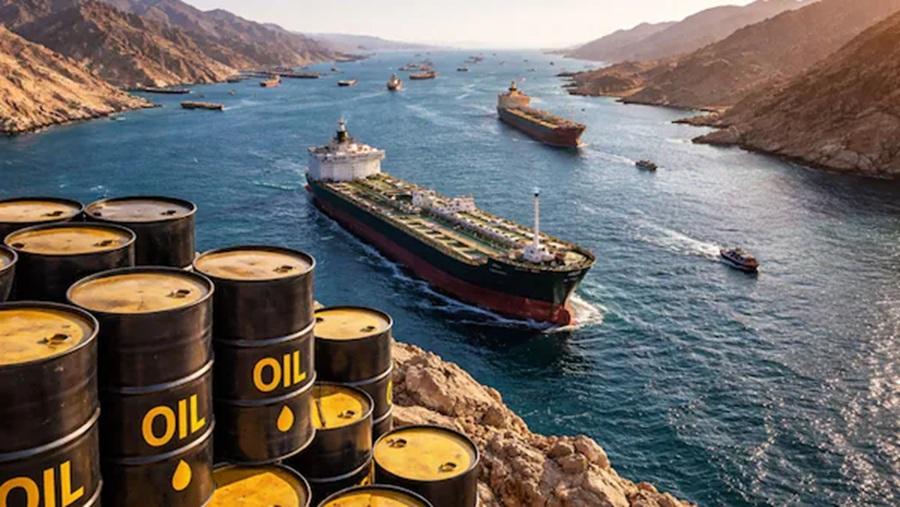
hits dollar highest since:
Oil Prices Surge to Multi-Year Highs Amid Escalating US-Iran Tensions
Global oil markets have been thrown into fresh turmoil, with crude prices climbing to their highest levels since 2022 following reports that former U.S. President Donald Trump is set to be briefed on new strategic options regarding Iran. The development has reignited fears of prolonged geopolitical instability in West Asia, pushing energy markets into a new phase of volatility.
Brent crude, the international benchmark, has surged past the $120 per barrel mark, with some reports indicating levels as high as $122—representing a dramatic escalation from earlier in the year when prices hovered closer to $70–80. This sharp rise underscores how deeply geopolitical risk is now embedded in global energy pricing.
The Immediate Trigger: Trump’s Iran Strategy Review
The latest spike in oil prices is closely linked to reports that Trump is being briefed on new policy options concerning Iran, including the possibility of extending or intensifying the ongoing U.S. naval blockade.
The blockade, which targets Iranian oil exports, has already significantly disrupted global supply chains. Discussions within the U.S. administration reportedly include measures to maintain pressure on Tehran while simultaneously mitigating domestic economic fallout, such as releasing oil from strategic reserves and boosting domestic production.
At the core of the issue is the Strait of Hormuz, a narrow but crucial maritime chokepoint through which roughly one-fifth of the world’s oil supply typically flows. With Iran effectively restricting access and the U.S. maintaining a strong naval presence, the risk of prolonged disruption remains high.
Supply Shock: A 20 Million Barrel Disruption
One of the most significant drivers behind the price surge is the scale of supply disruption. Estimates suggest that up to 20 million barrels per day of global oil supply have been affected due to the ongoing conflict and blockade.
To put this into perspective, global oil consumption typically ranges around 100 million barrels per day. A disruption of this magnitude represents roughly 20% of total supply—an extraordinary shock that explains the rapid price escalation.
Such supply constraints have forced traders and analysts to reassess global inventory levels, spare capacity, and the ability of other producers—particularly OPEC+ nations—to compensate for the shortfall.
Historical Context: Why This Spike Matters
The current surge marks the highest oil prices since 2022, a year that itself saw extreme volatility following Russia’s invasion of Ukraine. At that time, oil briefly surged above $120 per barrel before stabilizing.
The present situation mirrors that earlier crisis in several ways:
- Geopolitical Trigger: Both crises are rooted in major geopolitical conflicts
- Supply Disruption: Significant reduction in global oil flows
- Market Reaction: Rapid price spikes and heightened volatility
However, analysts warn that the current crisis may be more complex due to the centrality of the Strait of Hormuz and the broader regional implications involving multiple actors.
Market Reaction: Volatility Across Asset Classes
The surge in oil prices has triggered ripple effects across global financial markets.
Equities Under Pressure
Rising energy costs have weighed heavily on stock markets, with major indices experiencing declines amid concerns over inflation and reduced consumer spending.
Currency Movements
The U.S. dollar has strengthened as investors seek safe-haven assets, while emerging market currencies—particularly those of oil-importing nations—have come under pressure.
Bond Yields and Inflation Expectations
Higher oil prices have pushed up inflation expectations, complicating the policy outlook for central banks. In the United States, inflation has already shown signs of acceleration, rising by 3.3% in March.
Economic Impact: Inflation and Recession Risks
The economic implications of sustained high oil prices are profound.
Inflationary Pressures
Energy costs are a key component of inflation. As oil prices rise, transportation, manufacturing, and utility costs increase, leading to higher prices for goods and services.
Countries heavily dependent on oil imports—such as India, Japan, and much of Europe—are particularly vulnerable.
Recession Concerns
Economists have warned that prolonged disruptions could push the global economy toward recession. Some forecasts suggest oil prices could climb as high as $190 per barrel if the crisis persists.
Such levels would significantly strain both developed and developing economies, potentially triggering:
- Reduced consumer spending
- Higher borrowing costs
- Slower economic growth
Strategic Petroleum Reserves and Policy Responses
In response to rising prices, the United States and its allies have begun tapping into strategic petroleum reserves. Reports indicate that up to 172 million barrels could be released as part of coordinated efforts to stabilize markets.
Additionally, the U.S. administration is exploring:
- Increasing domestic oil production
- Relaxing environmental regulations for refineries
- Encouraging OPEC+ to boost output
However, these measures may provide only temporary relief if geopolitical tensions remain unresolved.
The Role of OPEC+ and Other Producers
OPEC+ countries, including Saudi Arabia and Russia, hold significant spare capacity that could potentially offset some of the supply disruption. However, their response has been cautious.
Factors influencing OPEC+ decisions include:
- Geopolitical alignments
- Revenue considerations (higher prices benefit producers)
- Long-term market stability
Russia, in particular, has reaffirmed its commitment to OPEC+, signaling that coordinated production strategies will continue to shape market dynamics.
India and Emerging Markets: High Exposure
For countries like India, the oil price surge presents a significant macroeconomic challenge.
Trade Deficit Impact
Higher oil prices increase import bills, widening trade deficits and putting pressure on currencies.
Inflation Transmission
Fuel price increases quickly translate into broader inflation, affecting food prices, transportation costs, and overall cost of living.
Policy Constraints
Central banks may face difficult choices between controlling inflation and supporting economic growth.
Geopolitical Dynamics: A Prolonged Standoff
The underlying geopolitical situation remains highly uncertain.
U.S. Strategy
The U.S. appears committed to maintaining pressure on Iran through economic and military measures, including the blockade.
Iran’s Position
Iran has sought international support while resisting demands related to its nuclear program. The country has also used control over the Strait of Hormuz as a strategic lever.
Diplomatic Deadlock
Efforts to negotiate a ceasefire or broader agreement have so far failed, with both sides unwilling to make significant concessions.
Energy Market Outlook: Short-Term vs Long-Term
Short-Term Outlook
- Continued volatility
- Prices likely to remain elevated
- Sensitivity to geopolitical headlines
Long-Term Outlook
- Potential for structural shifts in energy markets
- Increased investment in alternative energy
- Greater emphasis on energy security
Analyst Insights: Pricing in Risk
Energy analysts emphasize that current oil prices reflect not just actual supply disruptions but also the risk premium associated with uncertainty.
Key factors being priced into the market include:
- Probability of further escalation
- Duration of the blockade
- Probability of a broader military conflict
- Effectiveness of diplomatic efforts
This risk premium can lead to sharp price swings even in response to minor developments.
AI Insights
The surge in oil prices to their highest level since 2022 highlights the profound impact of geopolitical tensions on global energy markets. Reports that Donald Trump is being briefed on new Iran strategy options have intensified concerns that the crisis could deepen further.
With supply disruptions affecting up to 20% of global output and key transit routes under threat, the world faces a precarious energy situation. The economic consequences—ranging from inflation to potential recession—underscore the stakes involved.
As markets continue to react to every development, the trajectory of oil prices will largely depend on whether diplomatic efforts can break the current deadlock or whether the conflict enters an even more volatile phase.