
 Pakistan’s leaders hail first astronaut aboard Chinese craft: ‘Proud one of us has gone into space’
 British tourist travels 29 hours from Mumbai to Amritsar for ₹5,461, rates Indian Railways 10/10 | Viral video
 The Supreme Court will decide whether assault weapons bans violate the Second Amendment
 A Critic of Beijing Falls Short in Taiwan’s Key Mayoral Election
 EPA says no rise in contamination after Army detonates lead azide stockpile in Iowa
Bisleri says it’s water ‘safe for consumption’ after FSSAI sanctions prosecution, says it has received no notice
Bisleri, India’s top bottled‑water brand, maintains its product is “safe for consumption” after the FSSAI announced sanctions and possible prosecution. While six samples from its Goa plant were tested, five met national standards and the lone disputed sample showed bromate well below the legal limit. The company says it has not received any formal notice of violation, challenging the regulator’s action and sparking debate over food‑safety oversight in India.
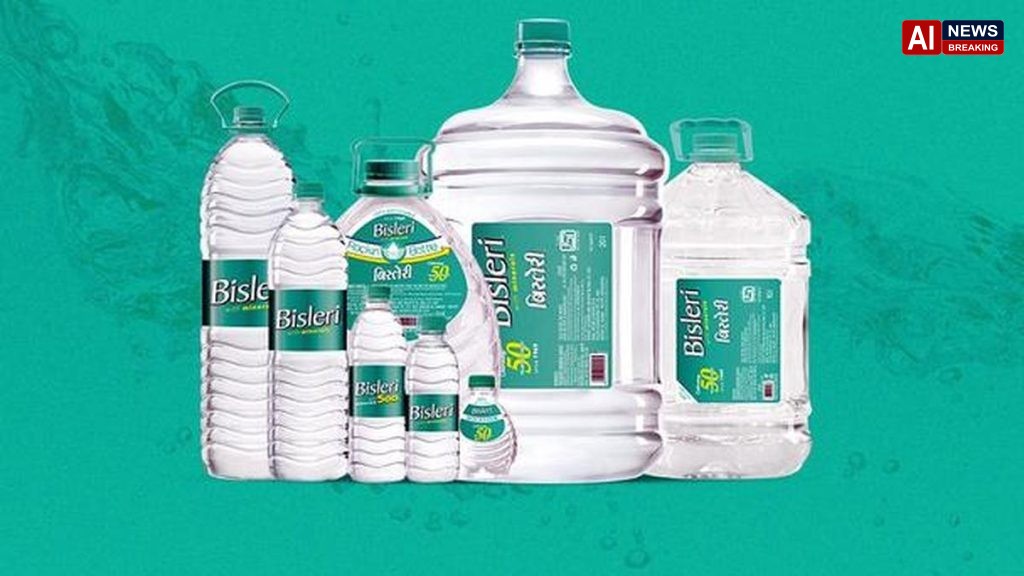
Bisleri says it’s water ‘safe for consumption’ after FSSAI sanctions prosecution, says it has received no notice - AI News Breaking
bisleri says water safe:
Bisleri, India’s leading bottled‑water brand, has asserted that its product remains “safe for consumption” following a series of regulatory actions by the Food Safety and Standards Authority of India (FSSAI). The controversy erupted after the authority announced sanctions and the prospect of prosecution concerning alleged non‑compliance at the company’s bottling plant in Goa. In response, Bisleri released a statement emphasizing that the majority of samples taken from the facility complied with national standards, and it maintains that it has not received any formal notice of violation from the regulator..
The dispute centres on six water samples collected in September 2025 from the Goa bottling unit. According to Bisleri’s internal laboratory, five of those samples met the applicable specifications for parameters such as total dissolved solids, microbial count and pH level. Only one sample, which the company describes as “disputed,” showed a deviation that prompted further scrutiny..
Bisleri points out that the divergent result was subjected to an independent analysis, which concluded that the bromate concentration fell within the permissible limit set by the Food Safety and Standards (Contaminants, Toxins and Residues) Regulations. Bromate, a by‑product that can form when ozone is used to disinfect water, is regulated because of its potential health risks when present in excess. The legal limit for bromate in drinking water in India is 10 µg per litre, a threshold aligned with international guidelines..
The independent laboratory’s report, which Bisleri claims is “scientifically robust,” indicated a bromate level of 8 µg per litre in the contested sample—well below the statutory ceiling. This finding, the company argues, should allay any concerns about safety and compliance. FSSAI, however, has not disclosed the full details of its testing methodology or the criteria that led to its decision to sanction Bislier..
In a brief communique, the authority stated that the samples showed “non‑conformity with prescribed standards” and that it was proceeding with “necessary legal action.” The lack of transparency has fueled speculation among industry observers, who note that regulatory bodies in India sometimes rely on spot checks that may not reflect the overall quality management systems of large manufacturers. Legal experts familiar with food‑safety law suggest that the situation hinges on whether Bisleri received an official notice of contravention. Under the Food Safety and Standards Act, a notice is a prerequisite for initiating prosecution, giving the accused party an opportunity to respond..
Bisleri’s legal counsel has publicly declared that the company “has not been served any notice” and therefore cannot be held liable for an alleged breach that has not been formally communicated. The company’s stance is reinforced by its track record of compliance with both national and international standards. Bisleri’s water undergoes a multi‑stage purification process that includes reverse osmosis, ultraviolet treatment and ozone disinfection, followed by stringent quality checks before bottling..
The brand has routinely attained certification from ISO 22000 and HACCP, frameworks that are designed to ensure food safety throughout the production chain. These credentials, the firm argues, underscore its commitment to delivering safe drinking water. Consumer groups have responded with a mix of caution and support..
Some organizations, citing the FSSAI’s findings, have urged the public to remain vigilant and to seek clarification on the exact nature of the alleged contamination. Others have highlighted the independent test results and Bisleri’s extensive safety protocols, suggesting that the episode may be a “case of regulatory overreach.” The debate reflects a broader tension in India between rapid market growth in the packaged‑water sector and the capacity of oversight agencies to keep pace. Market analysts note that the controversy could have short‑term repercussions for Bisleri’s sales, especially in regions where consumers are highly price‑sensitive and brand loyalty can shift quickly..
However, they also point out that the bottled‑water market in India is expanding at an annual rate of around 12 per cent, driven by urbanisation and concerns over tap‑water quality. A temporary dip in demand for Bisleri is unlikely to alter the overall trajectory, provided the company manages the narrative effectively and continues to demonstrate compliance. In the political arena, the episode has drawn comments from several state ministers who have called for a “transparent and swift resolution” to protect public health..
The Ministry of Health and Family Welfare has indicated that it will monitor the situation closely and coordinate with the FSSAI to ensure that any enforcement action adheres strictly to procedural norms. Officials have also reiterated that consumer safety remains the paramount priority, and that regulatory bodies must balance rigorous testing with fair process. Meanwhile, industry peers are watching the developments closely..
Major competitors such as Kinley and Aquafina have refrained from commenting directly, but their public statements on quality assurance have emphasized “continuous monitoring” and “adherence to all statutory limits.” The incident may prompt a broader industry audit, with companies potentially reviewing their own testing regimes to pre‑empt similar challenges. Bisleri’s management has pledged to cooperate fully with any inquiry and to make all relevant data available to the authorities. In a press briefing, the company’s CEO said that “the safety of our consumers is non‑negotiable” and that the brand would “continue to invest in state‑of‑the‑art testing facilities to guarantee that every litre that leaves our plant meets or exceeds the law.” He also assured shareholders that the firm’s financial health remains robust, citing strong cash flows and a diversified product portfolio..
The final outcome of the case will likely hinge on whether the FSSAI proceeds with formal notice and, if so, how the courts interpret the independent laboratory’s findings against the regulator’s own data. Until a definitive legal ruling is rendered, Bis.
Updated: November 23, 2026






