Pakistan’s leaders hail first astronaut aboard Chinese craft: ‘Proud one of us has gone into space’
 British tourist travels 29 hours from Mumbai to Amritsar for ₹5,461, rates Indian Railways 10/10 | Viral video
 The Supreme Court will decide whether assault weapons bans violate the Second Amendment
 A Critic of Beijing Falls Short in Taiwan’s Key Mayoral Election
 EPA says no rise in contamination after Army detonates lead azide stockpile in Iowa
‘Boys by the River,’ an IDFA Highlight, Captures One Day in ‘Paradise’ in Europe, Relished by Three Afghan Asylum Seekers
**
‘Boys by the River,’ an IDFA Highlight, Captures One Day in ‘Paradise’ in Europe, Relished by Three Afghan Asylum Seekers - AI News Breaking
boys river idfa highlight:
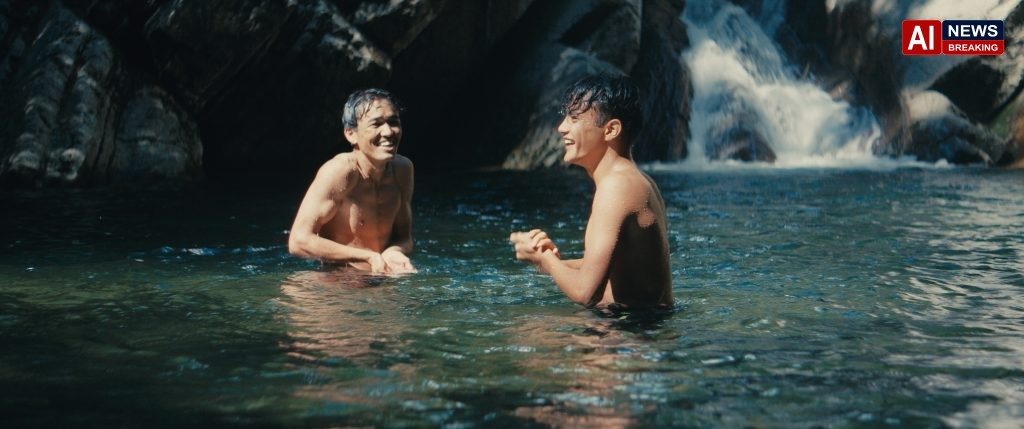
Boys by the River, an IDFA Highlight, Captures One Day in ‘Paradise’ in Europe, Relished by Three Afghan Asylum Seekers The documentary‑fiction hybrid “Boys by the River” (Italian title “Ragazzi al fiume”) made its world premiere in the Envision Competition at the International Documentary Film Festival Amsterdam, where it immediately attracted attention for its lyrical approach to a subject often rendered in stark, reportage‑style narratives. Directed by Pablo Briones, a Swiss‑based filmmaker of Colombian origin, the film follows a single, sun‑drenched day spent by three young Afghan men who have fled war and persecution and now live in Switzerland. By focusing on a quiet riverbank that the trio describes as “paradise,” Briones offers a rare glimpse into the everyday moments that sustain hope amidst the uncertainty of asylum processes..
The three protagonists—Amin, 22, a former schoolteacher; Farid, 19, who arrived with his family as a child; and Samir, 24, a former electrician—are introduced not through interviews but through their interactions with each other and the natural surroundings. The camera lingers on their feet as they wade through shallow water, on the way they share a modest picnic of cheese, bread and tea, and on the subtle gestures that reveal their camaraderie. The film’s observational style avoids voice‑over narration, allowing the viewers to hear the rustle of leaves, the murmur of the river, and the occasional laughter that sounds both carefree and tinged with an underlying melancholy..
Briones’ decision to structure the narrative around a single day was deliberate, aiming to emphasize the temporal suspension that asylum seekers often experience. In an interview with the festival’s press desk, the director explained that the river represents a liminal space—neither fully part of their past in Afghanistan nor yet integrated into their new Swiss reality. The film captures moments when the three men discuss their dreams of returning home, their fears about the pending asylum decision, and the small triumphs of learning a new language, all while the river flows unchanged, indifferent to human concerns..
Visually, the documentary employs a palette of natural light that shifts from the soft gold of early morning to the harsher, clearer afternoon sun. The cinematographer, Lidia Marconi, uses handheld cameras to stay close to the subjects, creating an intimacy that feels almost participatory. The river itself becomes a character, its surface reflecting the sky and the surrounding Alps, offering a visual metaphor for the fluidity of identity and belonging..
The film’s sound design, crafted by Swiss studio Soundscape, captures ambient noises with such clarity that the distant chime of a church bell or the occasional bark of a dog punctuates the otherwise tranquil soundscape. While many migrant‑focused films foreground conflict, detention, or bureaucratic obstacles, “Boys by the River” chooses to highlight the ordinary pleasures that sustain life in exile. The trio’s impromptu game of football with a makeshift ball, their shared stories of childhood in Kabul, and the quiet moments of contemplation as they stare into the water all contribute to a narrative that refuses to reduce them to victims..
This approach resonated with the festival audience, many of whom responded with prolonged applause, indicating a hunger for stories that recognize the humanity beyond hardship. Critics at IDFA noted that the film’s hybrid nature—straddling documentary realism and staged scenes—allows it to explore emotional truths that pure observational cinema might miss. By rehearsing certain dialogues, the director ensured that the men could articulate feelings that might otherwise remain unspoken due to language barriers or fear of misrepresentation..
Yet the rehearsals were kept minimal, preserving the spontaneity of the day’s events. This balance between structure and improvisation is evident in the way the men’s laughter feels genuine, even when the camera captures them planning a future trip to the nearby town of Lugano. The political context of the film cannot be ignored..
Switzerland, like many European nations, has tightened its asylum policies in recent years, leading to prolonged waiting periods and limited access to work permits for newcomers. The three men’s status remains unresolved, a fact that subtly underlies their conversations about “paradise.” When Samir remarks that the river is a place where “the borders disappear,” the statement takes on a poignant double meaning, reflecting both the physical freedom of the riverbank and the bureaucratic constraints that bind them elsewhere. The film also touches on the role of community support in the lives of refugees..
A local volunteer, Maria, appears briefly to hand the men a basket of fresh fruit, a gesture that underscores the small but significant acts of solidarity that can alleviate the isolation many asylum seekers feel. The director deliberately refrains from depicting institutional assistance in detail, focusing instead on these personal exchanges that illustrate how integration is often fostered through grassroots connections rather than top‑down policies. Audience members at the post‑screening discussion highlighted how the film challenged their preconceptions about migration..
“I expected a story about hardship, but what I saw was a day of friendship, of simple joy, and of a longing for normality,” said one viewer, a Swiss university professor of sociology. Another, an Afghan expatriate living in the Netherlands, noted that the river scene reminded him of the rivers back home, where children would play while adults discussed politics—a reminder that, despite displacement, cultural memories persist. The critical reception at IDFA has been largely positive, with several reviewers praising the film’s poetic sensibility..
A leading newspaper described it as “a quiet triumph of humanist cinema, where the camera’s restraint allows the subjects’ humanity to shine.
Updated: November 19, 2026
By letting the river run silent, the film turns the asylum limbo into a suspended breath—an everyday miracle that reminds viewers the refugees’ humanity is not a narrative of loss but a living, fluid identity waiting to be re‑written. The quiet joy of a shared picnic proves that solidarity can carve temporary sanctuaries