 Russians across
  Jagan to move Supreme Court again over ‘obstruction’ of YSRCP nominees in Andhra local body polls
  Pentagon directive bans troops from using nonpublic info to bet in prediction markets
  Plaintiffs in Trump arch project seek injunction to stop administration from beginning work Nov. 5
 Delhi High Court Orders 350 Slum Dwellers Near PM’s Residence to Vacate Within Six Weeks
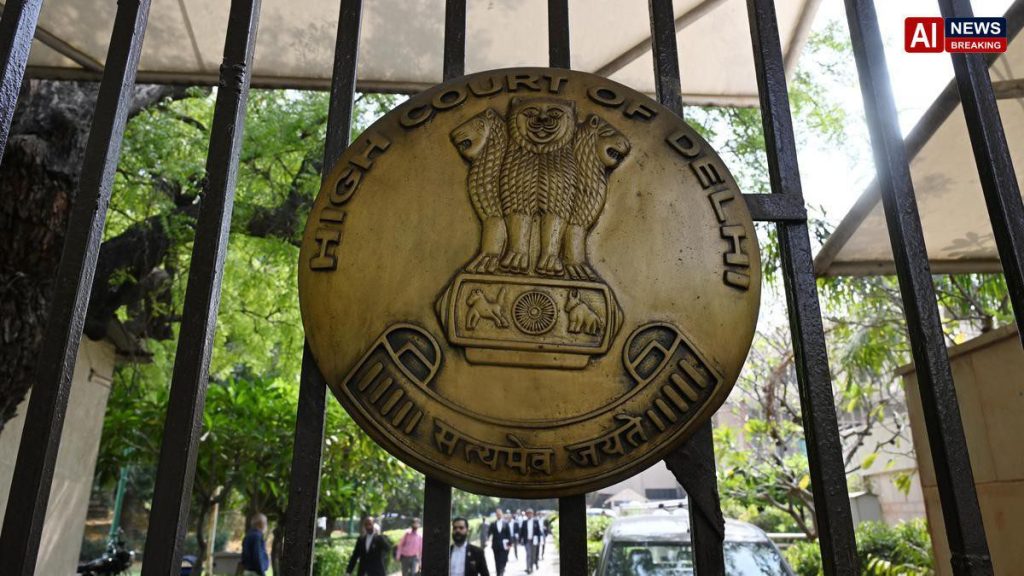
Delhi High Court Orders 350 Slum Dwellers Near PM's Residence to Vacate Within Six Weeks - AI News Breaking
The Delhi High Court has delivered a decisive order mandating the evacuation of more than three hundred hundred families residing in informal settlements located in the immediate vicinity of the Prime Minister’s official residence. The judgment, issued recently by a single judge bench, directs that these residents must vacate their current dwellings within a strict timeframe of six weeks. This legal directive underscores the ongoing and often contentious efforts by municipal authorities and state agencies to manage urban density and security concerns in the national capital’s most sensitive geographic zones..
The court’s ruling reflects a balanced approach, simultaneously enforcing the removal of unauthorized structures while imposing stringent conditions to ensure that the affected individuals are not left destitute. The directive to vacate is not an isolated punitive measure but part of a broader judicial strategy to monitor the welfare of displaced populations during the transition period.The affected residents hail from makeshift colonies that have gradually expanded over decades, often filling the gaps between institutional buildings and residential enclaves. These settlements, characterized by precarious infrastructure and limited access to basic civic amenities, have long been subjected to periodic eviction drives by the Delhi Development Authority and other relevant agencies..
The proximity of these slums to the PM’s residence, colloquially known as 7 Lok Kalyan Marg, has previously drawn significant attention from security agencies, who have cited potential threats to public order and national security as primary reasons for wanting these areas cleared. However, the judiciary has consistently emphasized that such security considerations cannot override the fundamental rights of citizens to shelter and rehabilitation. The recent order specifically acknowledges the difficulty faced by the residents, who have lived in these structures for generations, some born within the confines of the informal settlement.Central to the court’s directive is the instruction that displaced families be relocated to Savda Ghevra, an area where alternative accommodation has been arranged by the authorities..
This site, located on the outskirts of Delhi, has been identified as a suitable relocation point where the government has prepared housing units intended for low-income groups and slum dwellers. The court, citing reports from legal news platform Bar and Bench, noted that the authorities had assured the judiciary that adequate infrastructure and living conditions were in place at this new location. The move to Savda Ghevra is part of a larger state-sponsored rehabilitation program aimed at moving informal settlers from unauthorized areas into designated residential colonies..
The government argues that such relocation not only clears sensitive zones but also integrates marginalized communities into the formal urban fabric, providing them with secure tenure and access to services such as electricity, water, and sanitation.Despite these assurances, the process of relocation has historically been fraught with logistical challenges and resistance from the resident communities. Many slum dwellers have expressed concerns about the loss of livelihood, as their current locations often provide easier access to urban labor markets in central Delhi. The distance to Savda Ghevra, while offering better housing, may increase commuting times and costs, thereby impacting the economic stability of families that rely on daily wage labor..
The court, aware of these socioeconomic implications, has not merely ordered an eviction but has taken proactive measures to oversee the smooth transition of these families. The judgment highlights the judiciary’s role in acting as a supervisory body to ensure that administrative actions do not disproportionately harm vulnerable populations. By setting a clear six-week deadline, the court aims to prevent indefinite delays that have characterized previous eviction drives, where orders were often stayed or postponed due to legal interventions.In a significant move to safeguard the rights of the displaced, the Delhi High Court has ordered the establishment of a monitoring mechanism to oversee the rehabilitation process..
This oversight committee, likely comprising representatives from relevant government departments, legal aid agencies, and possibly civil society organizations, will be tasked with ensuring that the promise of alternative accommodation is fully realized. The court emphasized that the right to life and livelihood, guaranteed under Article 21 of the Indian Constitution, encompasses the right to adequate housing. Therefore, the state’s duty does not end with the demolition of illegal structures; it extends to providing viable alternatives that maintain the dignity and economic well-being of the affected citizens..
The monitoring authority will be required to submit regular reports to the court, detailing the progress of relocation, the condition of the units in Savda Ghevra, and any difficulties faced by the families during the move.The six-week period provided for vacating the premises is considered a reasonable timeline by legal experts, balancing the urgency of the security concerns with the practicalities of moving large numbers of families. During this window, authorities are expected to facilitate the logistics of relocation, including the provision of transportation for household goods and assistance with the administrative procedures required to secure occupancy in the new housing units. Resettlement officers will likely be deployed to engage with the community, addressing grievances and clarifying doubts about the new settlement..
This structured approach aims to minimize social unrest and ensure that the displacement is conducted in a humane and orderly manner. The court’s insistence on a defined timeline also prevents the authorities from using the rehabilitation process as a tactic to indefinitely delay the finality of the eviction order.The case involving the slum dwellers near the Prime Minister’s residence is emblematic of the broader challenges facing urban governance in Delhi. As one of the fastest-growing megacities in the world, Delhi struggles with a stark dichotomy between high-end infrastructure and sprawling informal settlements..
The presence of slums in prime locations creates complex legal and administrative dilemmas, where property rights, security imperatives, and human rights intersect. Previous cases have seen prolonged litigation, with residents challenging eviction notices on the grounds of lack of rehabilitation or procedural irregularities. The current judgment attempts to streamline this process by addressing these concerns proactively, rather than reactively..
By ordering the monitoring of rehabilitation, the court introduces a layer of accountability that was often missing in earlier operations, where residents were sometimes left to fend for themselves after eviction.Security officials have welcomed the court’s order, noting that the clearance of the area around the PM’s residence is crucial for maintaining the high security protocols required for the head of government. The presence of dense, unplanned structures in such a sensitive zone creates blind spots and potential vulnerabilities that security forces have long sought to eliminate. The integration of these residents into a planned residential area like Savda Ghevra is viewed not only as a humanitarian measure but also as a strategic move to de-congest high-security zones..
This shift aligns with global best practices in urban security, which advocate for the systematic removal of informal encroachments from critical infrastructure sites, provided that the affected populations are adequately compensated and resettled.For the residents of these slums, the next six weeks will be a period of significant transition and uncertainty. While the provision of housing in Savda Ghevra offers a promise of stability, the psychological and social impact of uprooting from one’s community cannot be understated. Many families have established tight-knit social networks in their current locations, which provide informal support systems for childcare,.
Updated: August 26, 2026
This ruling trades proximity for permanence, framing relocation as a dignified exchange rather than mere displacement.
Yet, moving daily wage earners to the outskirts risks sacrificing their livelihood stability for the state’s security silence.