Europe warns of Russia’s hybrid attacks but struggles to counter them
  Former chief election commissioner calls SIR scheme illegal.
  A Corruption Scandal Is Reshaping Brazil’s Presidential Election
  US citizen injured in Illinois after ICE agents mistook him for fugitive, tried to arrest him
  At 10 years old, Smithsonian’s Black museum is undaunted amid pressure from Trump administration
 E20 fuel tests show increased damage to rubber parts in E10 cars
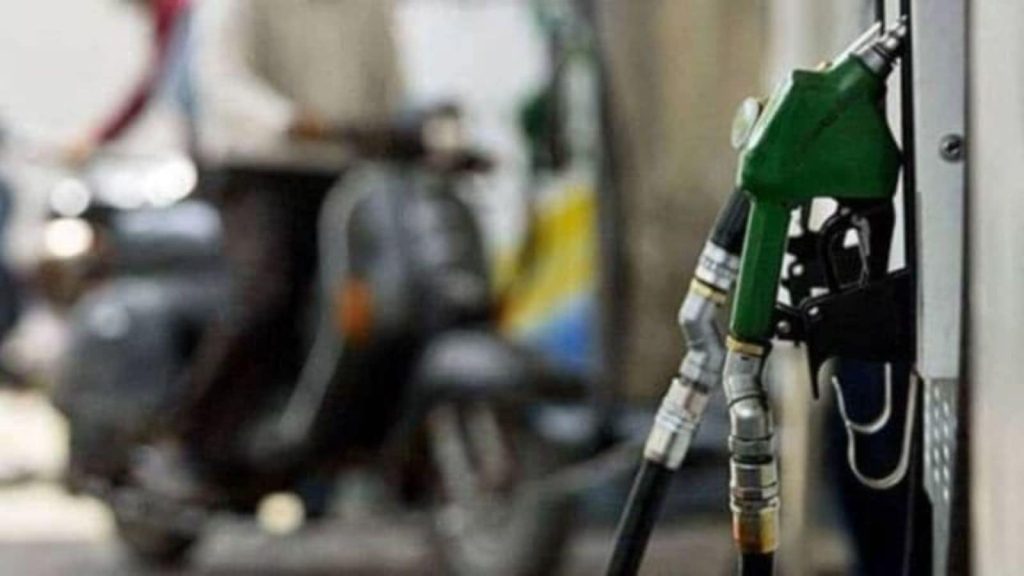
E20 fuel may damage rubber parts in E10 cars, said unpublished report An unpublished report by ARAI, a leading automotive research and testing institution, has raised concerns over the use of E20 fuel in vehicles originally designed to run on E10, a lower-octane petrol variant. According to the report, rubber parts in these vehicles show signs of deterioration when E20 fuel is used. While this has significant implications for consumers, it is worth noting that metallic components within these vehicles remain unaffected and emissions of toxic gases remain within established legislative limits..
While the report has sparked concerns, it’s also revealed that some vehicles fare better than others. One BS-VI turbocharged engine, used in certain models, experienced issues during durability testing. The engine failed to perform as expected, indicating that certain engine specifications may be more susceptible to damage from the higher-octane fuel..
Conversely, a BS-IV engine, used in older models, demonstrated acceptable performance when tested with E20 fuel. However, not all engines were affected equally. Two-wheelers, in particular, showed impressive performance when tested with E20 fuel..
Most two-wheeler engines demonstrated acceptable performance, suggesting that newer, more efficient engines might be more resilient to the higher-octane fuel. Researchers at ARAI also found that the use of E20 fuel results in increased fuel consumption compared to E10 fuel. In some cases, this increase was as high as six percent, which could have significant economic implications for vehicle owners..
However, it’s worth noting that fuel prices fluctuate constantly, and any increase in consumption may be offset by reduced fuel prices at the pump. Industry experts have expressed mixed opinions on the report’s findings. Some argue that the deterioration of rubber parts due to E20 fuel poses a significant safety risk to vehicle owners, particularly in warmer climates where engines work more intensively..
Others point out that the potential for engine damage is largely mitigated by modern engine design and technology. However, the primary concern revolves around the cost of replacement parts for vehicles using E20 fuel. Manufacturers might be compelled to provide replacements for rubber components at significantly reduced prices, potentially adding to company losses..
Conversely, this could also lead to an increased demand for E10 fuel, thereby bolstering sales for older engine models or those specifically designed for lower-octane fuel. The Indian automotive sector has traditionally been driven by sales of vehicles running on E10 fuel. The majority of engines are designed to meet BS-IV emissions standards, which are generally considered sufficient for most road conditions..
However, the use of E20 fuel could potentially lead to a significant shift in sales towards E10-powered vehicles. Additionally, the report highlighted concerns about potential engine knock, a common issue associated with running E20 fuel in lower-octane engines. Engine knock, or pinging, often results in engine failure and can be extremely costly for manufacturers to rectify..
This is particularly pertinent for older engine models. Industry insiders suggest that the findings could prompt major manufacturers to reassess their engine designs and offer upgraded engines capable of running on higher-octane fuel without compromising performance or durability. Manufacturers could also develop specific ‘fuel-efficient’ vehicles catering to this new high-octane market..
ARAI researchers emphasize that their findings are based on preliminary tests and may vary depending on different vehicle models and driving conditions. Manufacturers and government authorities will need to carefully evaluate these findings before making any sweeping recommendations or policy changes. While the report about the compatibility of E20 fuel with lower-octane engine designs, it does not entirely rule out its potential benefits..
The increased horsepower and torque offered by E20 fuel could be advantageous for some drivers, particularly those who frequently engage in high-performance driving. As the debate on E20 fuel continues, the Indian government and manufacturers must balance safety considerations with the benefits of using higher-octane fuel. Further research and testing will be necessary to clarify the risks associated with E20 fuel use in E10 cars and to guide potential policy changes or adjustments to current regulations..
The report serves as a timely reminder of the complexities of adopting new fuel standards and the potential consequences for consumers and manufacturers alike. In the absence of further guidance from authorities, Indian consumers are advised to exercise caution when selecting a fuel type for their vehicles. As the industry continues to evolve, it’s likely that we will see further recommendations from government agencies, automobile manufacturers, and industry experts aimed at mitigating the risks associated with this emerging issue..
Updated: July 7, 2026
A recent report by ARAI raises concerns that E20 fuel may damage rubber parts in vehicles originally designed to run on E10 fuel, causing potential safety risks and increased fuel consumption. The report’s findings are set to spark a debate in the Indian automotive sector over the use of higher-octane fuel and its implications for consumers and manufacturers.