Europe warns of Russia’s hybrid attacks but struggles to counter them
  Former chief election commissioner calls SIR scheme illegal.
  A Corruption Scandal Is Reshaping Brazil’s Presidential Election
  US citizen injured in Illinois after ICE agents mistook him for fugitive, tried to arrest him
  At 10 years old, Smithsonian’s Black museum is undaunted amid pressure from Trump administration
 Typhoon Maysak hits China, 15 dead
Typhoon Maysak has brought severe flooding to southern China, resulting in at least 15 deaths and widespread destruction, with thousands displaced and rescue efforts ongoing, as concerns grow about a potential super typhoon forecast to hit the region later this week.
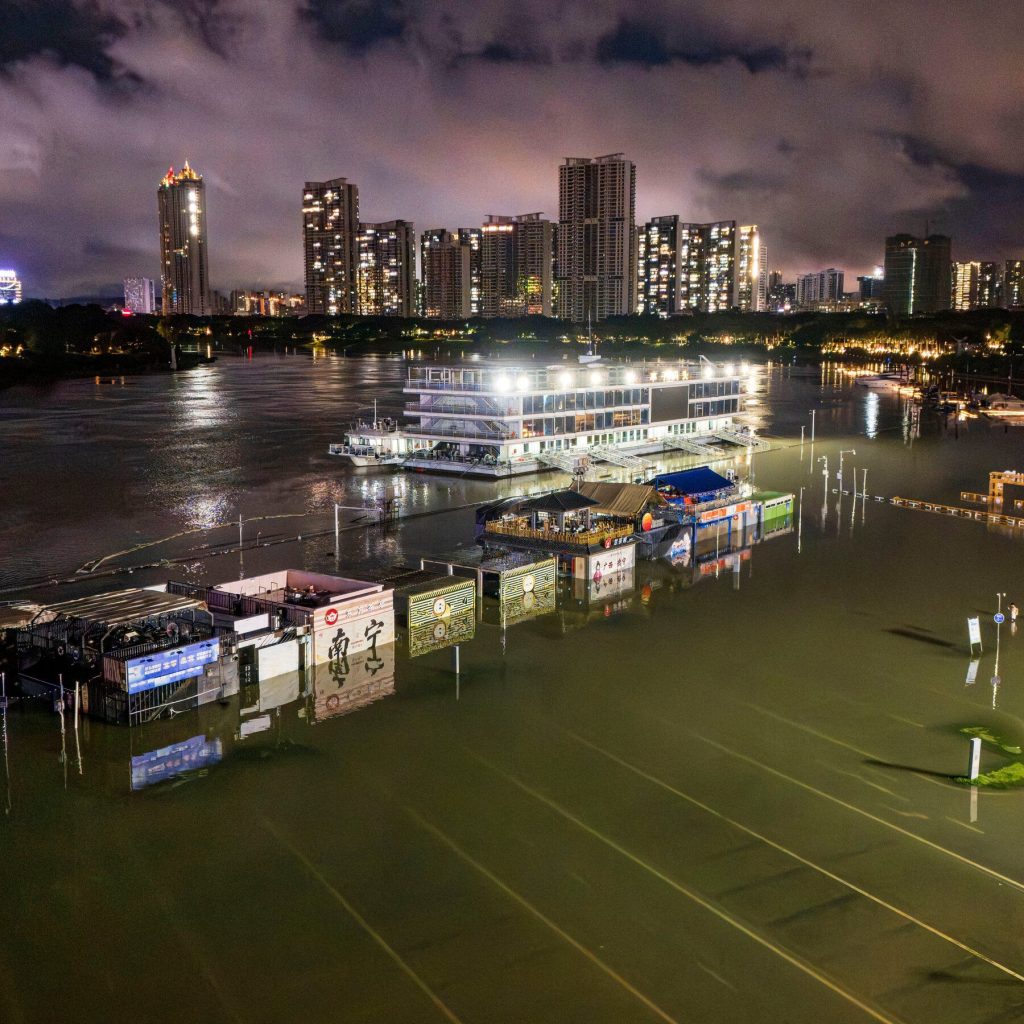
At Least 15 Dead in China After Severe Flooding During Typhoon Maysak Severe flooding has caused widespread destruction in southern China, resulting in at least 15 deaths and leaving thousands displaced. The flooding is believed to have been triggered by Typhoon Maysak, which made landfall in the region earlier this week. Rescue efforts are underway, with emergency responders working to evacuate those trapped by the floodwaters..
The Chinese government has mobilized troops and resources to assist in the relief efforts, with local officials urging residents to remain indoors and follow evacuation orders. Satellite images show the extent of the damage, with entire neighborhoods submerged under several feet of water. The worst-hit areas are in the Guangdong and Guangxi provinces, where flooding has destroyed homes, schools, and businesses..
Residents have spoken of the terror they experienced as floodwaters suddenly rose, with many unable to escape. The waters came in so fast, I didn’t have time to grab anything, said Wang, a local resident who was forced to flee her home. We didn’t know how long it would take for help to arrive..
The Chinese Red Cross has dispatched emergency teams and supplies to the affected areas, while local charities have launched fundraising campaigns to support the relief efforts. As the situation continues to unfold, concerns are growing about the potential impact of a super typhoon, which is forecast to hit the region later this week. Weather forecasters predict the storm could make landfall on Tuesday, bringing even more heavy rainfall and strong winds..
Flooding has become a growing concern in southern China, with climate change and rapid urbanization blamed for an increase in extreme weather events. Earlier this year, severe floods in neighboring Vietnam left thousands homeless and killed dozens of people. We are facing a perfect storm of extreme weather events in our region, said Yang, a climate expert..
As the weather becomes more unpredictable, we need to prepare for the worst and invest in disaster prevention and mitigation measures. In the short term, the focus is on providing emergency aid and support to the affected communities. Local officials have promised to rebuild and restore the damaged infrastructure as soon as possible, but critics say more needs to be done to address the underlying causes of the flooding..
We need to go beyond just relief aid and think about long-term solutions to our flooding problems, said Li, a local resident. We can’t keep patching things up without addressing the root causes. Emergency responders continue to work under challenging conditions, with many areas inaccessible due to the floodwaters..
The death toll is expected to rise as more information becomes available, with many missing persons still unaccounted for. Meanwhile, fears are growing about the spread of waterborne diseases in the affected areas. Local health officials have warned of the risks of cholera and other waterborne illnesses, which could spread rapidly in unsanitary conditions..
The regional government has announced an emergency economic relief package to support affected businesses and residents. However, critics say the package falls short and does not address the deeper economic and social issues facing the region. The local economy is heavily reliant on agriculture and manufacturing, but both sectors have been disproportionately affected by the flooding..
Small farmers and businesses are especially vulnerable, with many facing financial ruin. The international community has offered support and assistance to China, with neighboring countries and organizations offering aid, supplies, and expertise. The Chinese government has expressed gratitude for the support but says it is determined to handle the crisis itself..
The country has made significant strides in disaster preparedness and response, but it is clear that more needs to be done to prevent and mitigate the impact of extreme weather events. Residents in other parts of southern China are bracing for the potential super typhoon, which could hit the region as early as Tuesday. Weather forecasters are warning of heavy rainfall and strong winds, which could exacerbate flooding and cause further damage..
In response, local officials have ordered residents to prepare evacuation plans and stock up on emergency supplies. As the situation continues to unfold, it becomes increasingly clear that Typhoon Maysak is just the tip of the iceberg. Climate change is bringing more frequent and extreme weather events to the region, and China must adapt to these new challenges..
The flooding in southern China is a stark reminder of the need for long-term planning and investment in disaster prevention and mitigation measures. The death toll from the flooding remains unclear, but it is certain to rise as more information becomes available. The rescue efforts continue, with emergency responders working tirelessly to save lives and prevent further damage..
In the affected communities, residents are facing an uncertain and potentially long-term future, with many struggling to come to terms with the loss of their homes and livelihoods. The response to the flooding in China is a complex exercise in crisis management, requiring local, national, and international cooperation. As the situation continues to evolve, it is clear that this will be a test of China’s ability to manage the consequences of extreme weather events and adapt to a changing climate..
Updated: July 7, 2026
At least 15 people have lost their lives in southern China due to severe flooding caused by Typhoon Maysak, with thousands displaced and many more feared dead. Rescue efforts are underway, with concerns growing about the potential impact of a super typhoon forecast to hit the region later this week.
The devastating floods in southern China serve as a harsh reminder that the country’s rapid urbanization and climate change are creating a perfect storm of vulnerability to extreme weather events. Ultimately, China’s ability to adapt and invest in long-term disaster prevention measures will be crucial in mitigating the impact of such disasters and ensuring the resilience of its communities.