Europe warns of Russia’s hybrid attacks but struggles to counter them
  Former chief election commissioner calls SIR scheme illegal.
  A Corruption Scandal Is Reshaping Brazil’s Presidential Election
  US citizen injured in Illinois after ICE agents mistook him for fugitive, tried to arrest him
  At 10 years old, Smithsonian’s Black museum is undaunted amid pressure from Trump administration
 Hezbollah Rejects US-Brokered Ceasefire in Lebanon, Igniting Fears of Escalating Conflict
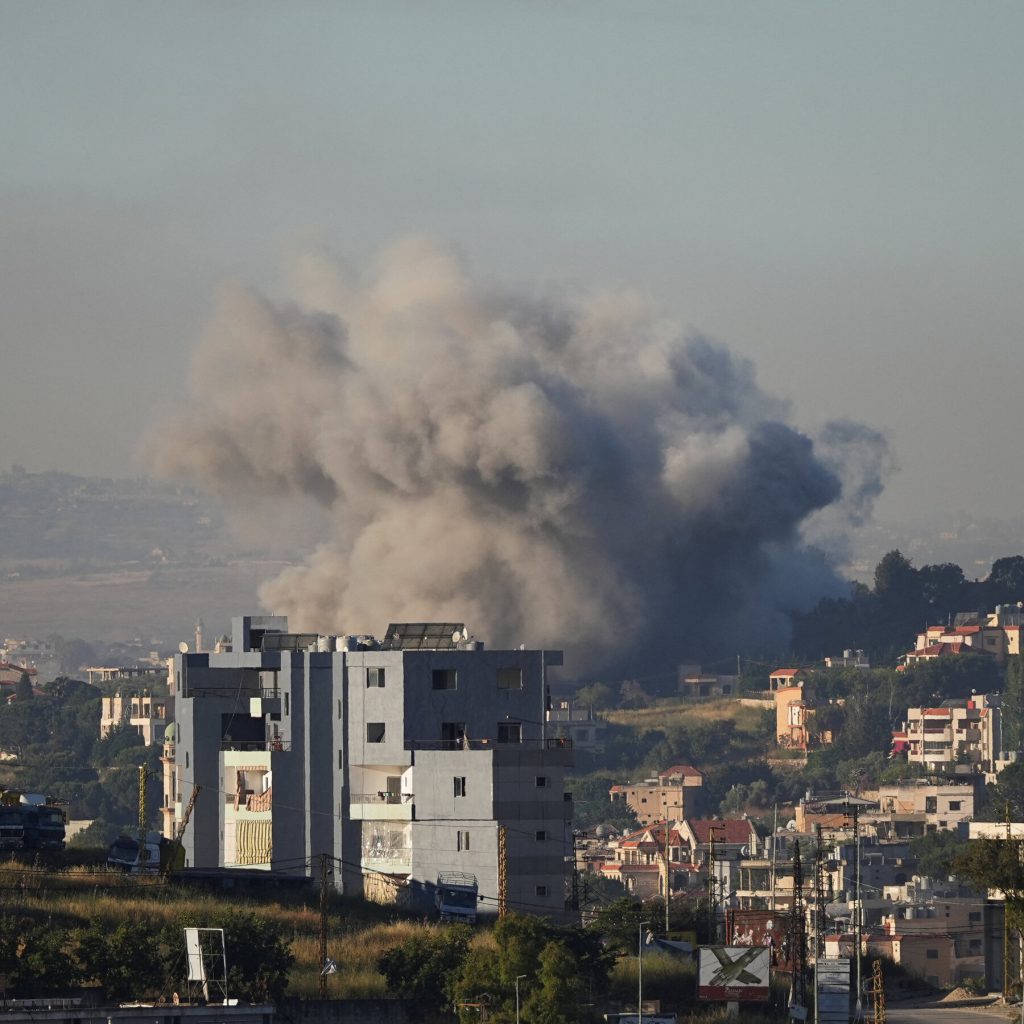
hezbollah rejects usbrokered ceasefire:
Fears of a protracted conflict in the Middle East resurfaced yesterday as hopes of a Lebanon ceasefire appeared to dissipate, with Israel and Hezbollah continuing their relentless assault despite agreement.
Updated: June 5, 2026
Fears of a protracted conflict in the Middle East resurfaced yesterday as hopes of a Lebanon ceasefire appeared to dissipate, with Israel and Hezbollah continuing their relentless assault despite a U.S.-brokered agreement. The fragile peace proposal, which aimed to bring an end to the latest escalation in fighting, has effectively been scuttled after Hezbollah rejected its terms as a surrender.
At the heart of the issue lies the long-standing rivalry between Israel and Hezbollah, a powerful Shia militia backed by Iran, which has been a major player in regional politics for nearly two decades. The group’s refusal to engage in direct talks with Israel has consistently hindered efforts to achieve a lasting peace in Lebanon. The current crisis deepens this divide, as Israeli forces intensify their bombardment of key Hezbollah strongholds in the country.
The agreement, brokered by the United States, sought to establish a mutually acceptable arrangement which would see Hezbollah refrain from firing the first shot in any potential conflict. However, this stipulation was met with outright rejection by the militant group, which claims to be fighting for Lebanon’s sovereignty against Israeli aggression. The terms of the proposal effectively amount to a de facto surrender, with Hezbollah determined to continue its resistance against what it perceives as an Israeli occupation.
Sources close to the negotiating table paint a picture of deep frustration and divisions between the parties involved. The U.S. administration, under mounting pressure from Israel to take a tougher stance on Hezbollah, appears to have blinked in its latest attempt to broker a deal. This has been interpreted by some as a retreat from long-held American positions on regional diplomacy.
The continued fighting has significant implications for regional stability, as the ongoing conflict risks drawing in other key players such as Iran, Saudi Arabia, and even the international community. Diplomatic efforts aimed at reviving the 2004 Beirut Declaration – a peace agreement signed by major Lebanese factions, including Hezbollah – have so far failed to yield meaningful results.
Hezbollah’s defiant rejection of the U.S.-brokered agreement has left Israel feeling increasingly isolated and emboldened. A heightened military response is expected in the coming days, potentially exacerbating an humanitarian crisis already beset by overcrowding and food shortages. Lebanon’s vulnerable civilian population is caught in the crossfire, as rival groups vie for influence and power.
Meanwhile, Iran’s increasing involvement in regional affairs raises the stakes further, with the Islamic Republic’s proxies emboldened by their victories in Syria and Iraq. As Western powers seek to counter Iranian influence, concerns are growing about the implications for global security.
The prospects for an early resolution to this crisis appear increasingly remote. As tensions escalate between rival factions, diplomats will face significant hurdles in achieving a lasting peace. The consequences of failure could extend far beyond Lebanon’s borders, with far-reaching implications for regional stability and the global order.
Hezbollah’s rebuff of the U.S.-brokered agreement has significant implications for the global level. The implications of this crisis could potentially extend to other international hotspots, including the Israeli-Palestinian conflict, and may lead to further divisions within the international community.
As a consequence of the escalating conflict, future diplomatic efforts will face significant challenges in establishing trust between key parties. The humanitarian crisis unfolding in Lebanon has the potential to become a significant flashpoint for global attention, drawing in international stakeholders and adding to the regional instability.
The failed US-brokered agreement marks a turning point in the Middle East’s delicate dance of power, where Iran’s expanding influence has created a ripple effect that could soon spread to other hotspots like the Israeli-Palestinian conflict. This crisis has exposed the limits of Western diplomacy in navigating the region’s entrenched rivalries, highlighting the urgent need for a new approach that acknowledges the complex web of interests
This is a developing story. More updates will follow as new information becomes available.