A Critic of Beijing Falls Short in Taiwan’s Key Mayoral Election
 EPA says no rise in contamination after Army detonates lead azide stockpile in Iowa
 Israeli Strike Kills 2 Workers at Gaza Clinic, Doctors Without Borders Says
 McQueen Pre-Fall 2027
 Mushfiqur Rahim to retire from Test cricket in February 2027
In Rajasthan, the girls who refuse to be spoken for
**
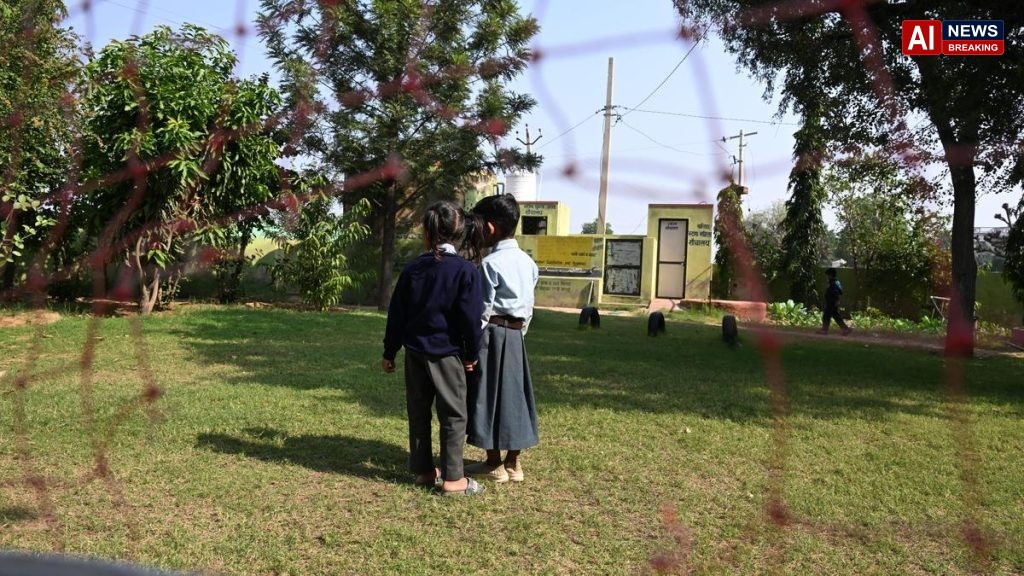
In Rajasthan, the girls who refuse to be spoken for - AI News Breaking
rajasthan girls refuse spoken:
In Rajasthan, the Girls Who Refuse to Be Spoken For Rajasthan ranks sixth among India’s states with the highest prevalence of child marriage, according to the latest National Family Health Survey (2023‑24). The data show that almost one in four girls in the state is married before the age of eighteen, a figure that masks stark variations between districts. While urban centres such as Jaipur report modest declines, remote tribal blocks in the Aravalli foothills still see girls wed at ten or eleven..
The survey links the persistence of the practice to entrenched customs like atta‑sat‑ta, a tradition that treats a girl’s virginity as a family honour, and to a skewed sex ratio that fuels a demand for young brides. Poverty remains the most immediate driver. In villages where a family’s annual income barely covers a handful of crops, a child bride is often seen as an economic relief – a dowry can be avoided and the girl’s labour added to household chores..
“When you are surviving on one acre of land, a marriage is not a celebration, it is a survival strategy,” says Meena, a community health worker from Sawai Madhopur. The practice also reduces the perceived burden of feeding an adolescent girl, a grim calculus that has persisted for generations. Lack of education compounds the problem..
The latest census data reveal that only 38 % of girls in Rajasthan’s rural districts complete secondary school, compared with 71 % in urban areas. Schools are frequently understaffed, and long distances to the nearest classroom discourage attendance, especially during monsoon months when roads become impassable. Without schooling, girls miss out on the legal knowledge that marriage before eighteen is illegal, and they lose the confidence to question familial expectations..
“Education is the only weapon we have against the silence that surrounds child marriage,” says Dr. Kavita Joshi of the University of Rajasthan’s Department of Sociology. Yet a quiet rebellion is gaining momentum..
Over the past three years, NGOs such as Sakhi Shakti and Balika Sashaktikaran have reported a 12 % rise in the number of girls who openly refuse proposed marriages. These girls cite a growing sense of agency, fostered by secondary education and, increasingly, by access to smartphones and social media. Platforms like Instagram and TikTok expose them to narratives of women who pursue higher education, careers, and sports, challenging the notion that a girl’s destiny is tied to a husband’s home..
One such story comes from 16‑year‑old Rani of the Bhil tribe, who posted a video in Hindi and Marwari asking her community to let her finish school. The video went viral, gathering over 30,000 views and sparking a local debate. “When I saw other girls talking about college, I realised I could dream too,” she says, her voice steady despite the tears that had once marked her childhood..
Her parents, initially skeptical, have now pledged to keep her in school, citing the attention the video brought to their village. Social media, however, is a double‑edged sword. While it offers role models, it also amplifies backlash from traditionalists who accuse young women of “Western corruption”..
In districts such as Dholpur, local clerics have issued statements warning that “online influences are eroding our values”. Police records show a spike in complaints against girls who post defiant messages, ranging from harassment to false accusations of immorality. NGOs stress that digital literacy must be paired with community outreach to protect these girls from online vitriol..
The government has responded with a mix of policy and outreach. The Rajasthan State Women’s Development Programme, launched in 2022, now funds 150 “Girl Safe Spaces” where adolescents can receive counselling, legal advice, and vocational training. These centres also coordinate with the police to enforce the Protection of Children from Sexual Offences (POCSO) Act, which includes provisions against child marriage..
Early evaluations suggest that districts with active safe spaces have seen a 7 % reduction in reported child marriages over the past year. Nevertheless, implementation gaps persist. In many remote blocks, the safe spaces are understaffed, and the outreach teams struggle to travel across rugged terrain..
A recent audit by the Comptroller and Auditor General highlighted that only 58 % of the allocated budget reached the intended beneficiaries, with the rest lost to bureaucratic delays. “We have the framework, but the execution is still a work in progress,” admits State Minister for Women and Child Development, Rajendra Singh. International pressure adds another layer to the debate..
The United Nations has declared 27 November the International Day for the Elimination of Child, Early and Forced Marriage, urging signatory nations to meet the Sustainable Development Goal target of ending child marriage by 2030. In a recent address, UN ary‑General António Guterres warned that “every child forced into marriage is a betrayal of our collective future”. The day was marked in Jaipur with a public march that saw thousands of students, teachers, and activists demanding stricter enforcement of existing laws..
Local activists argue that legal reforms alone cannot dismantle a practice woven into the social fabric. They call for a “holistic approach” that tackles gender‑biased inheritance laws, provides cash incentives for families who keep girls in school, and promotes male engagement programmes that challenge notions of masculinity tied to early marriage. “If we only punish the act without addressing the underlying patriarchy, we will see the same cycle repeat,” says Anjali Sharma, director of the grassroots network.
Updated: November 26, 2026
Insight: Rajasthan’s child‑marriage crisis isn’t just a lagging statistic—it’s a poverty‑driven survival calculus that turns girls into economic stop‑gaps, reinforcing a gendered cycle that formal laws can’t break alone.
Yet the viral defiance of girls like Rani shows that digital exposure can