Pakistan’s leaders hail first astronaut aboard Chinese craft: ‘Proud one of us has gone into space’
 British tourist travels 29 hours from Mumbai to Amritsar for ₹5,461, rates Indian Railways 10/10 | Viral video
 The Supreme Court will decide whether assault weapons bans violate the Second Amendment
 A Critic of Beijing Falls Short in Taiwan’s Key Mayoral Election
 EPA says no rise in contamination after Army detonates lead azide stockpile in Iowa
Major Powers Vow to Increase Oil Supply Amid Global Energy Transition
**
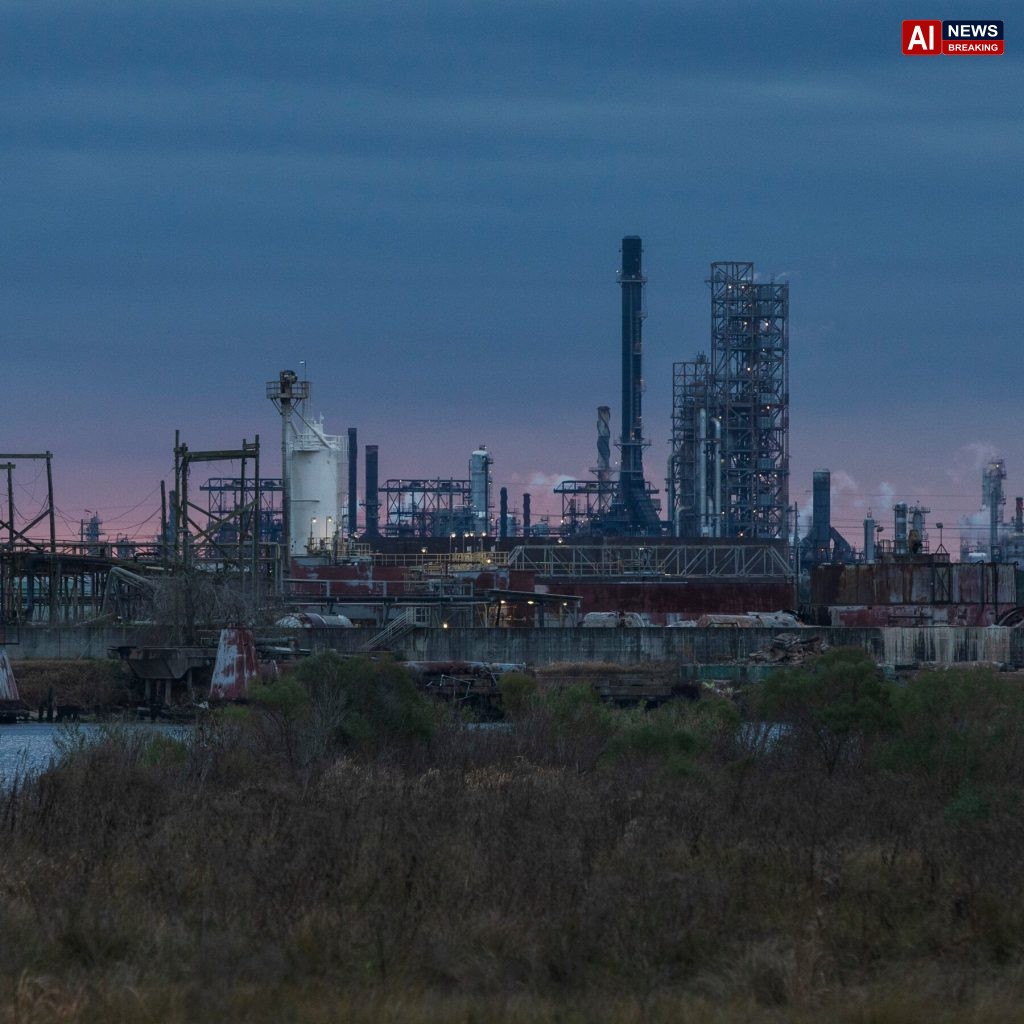
Major Powers Vow to Increase Oil Supply Amid Global Energy Transition - AI News Breaking
major powers increase supply:
Major Powers Vow to Increase Oil Supply Amid Global Energy Transition The United States, China and Russia have reached a rare trilateral agreement to increase the output of refined petroleum products, a move aimed at stabilising markets that have been roiled by the outbreak of hostilities in Iran. Diplomats from the three nations met in Geneva last week, where they outlined a coordinated plan to lift production quotas and streamline cross‑border logistics. While the accord is framed as a short‑term response to price volatility, analysts see it as a test of how major powers can cooperate on energy security amid an accelerating shift toward renewable sources..
The backdrop to the talks has been a steep climb in global oil prices since the Iranian conflict began in early June. Brent crude, which had hovered around $85 a barrel at the start of the month, breached the $110 mark by mid‑July, sending downstream costs soaring for airlines, shipping firms and consumers alike. Refiners in Europe and Asia reported dwindling inventories of gasoline and diesel, prompting governments to warn of possible shortages during the upcoming holiday travel season..
The price surge has reignited debates about the resilience of the current energy system and the urgency of diversifying supply chains. Washington’s involvement reflects both commercial and geopolitical considerations. Energy Information Administration estimates that American refineries could increase output by up to 1.2 million barrels per day if existing capacity is fully utilised..
In a joint statement, the State Department highlighted the “critical need to protect global economic stability” and pledged to work with allies to ensure that the spike in prices does not translate into a broader economic slowdown. Officials also underscored that the initiative does not signal a retreat from the Biden administration’s climate goals, but rather a pragmatic response to an acute market disruption. Beijing’s participation signals a nuanced balancing act between its ambitions to dominate the clean‑energy transition and its reliance on hydrocarbon revenues..
China’s National Development and Reform Commission announced that state‑owned refineries would accelerate the ramp‑up of diesel production, aiming to add roughly 800,000 barrels per day by the end of the year. The move is intended to safeguard domestic transport costs and to maintain China’s position as a reliable supplier to neighbouring markets. Analysts note that the decision also serves to counterbalance U.S..
influence in the region, illustrating how energy policy remains a key instrument of geopolitical leverage. Moscow, still reeling from sanctions imposed after its own actions in Ukraine, views the agreement as an opportunity to re‑assert its relevance in the global oil market. Russian energy minister Alexander Novak indicated that the country could divert additional crude to its downstream facilities, potentially raising refined product exports by 500,000 barrels per day..
The announcement comes as Russia seeks to diversify its export routes, increasingly relying on pipelines and maritime corridors that bypass European ports. By aligning with the United States and China, Moscow hopes to mitigate the isolating effects of Western sanctions while demonstrating a willingness to cooperate on issues of mutual concern. The technical details of the pact involve synchronised scheduling of maintenance shutdowns, shared access to strategic storage facilities, and joint monitoring of product flows through a newly created digital platform..
The platform, developed by an independent consortium of energy firms, will provide real‑time data on refinery output, inventory levels and transportation bottlenecks. Transparency, the parties argue, is essential to prevent market speculation and to reassure consumers that supply constraints are being actively managed. The system is expected to go live within three months, with periodic reviews to adjust production targets as market conditions evolve..
Critics, however, warn that the agreement may only offer a temporary fix and could inadvertently delay the transition to low‑carbon energy sources. Environmental NGOs have accused the three nations of prioritising short‑term profit over long‑term sustainability, pointing out that increased refining capacity could lock in fossil‑fuel dependency for another decade. In response, the signatories have each pledged to couple the supply boost with accelerated investments in hydrogen, biofuels and carbon capture technologies..
The United States, for instance, announced an additional $5 billion for research into low‑emission refining processes, while China pledged to expand its electric‑vehicle charging network. Market reaction to the announcement has been cautiously optimistic. Futures traders noted a modest pull‑back in Brent prices, which fell to $103 a barrel by the close of trading on Monday, suggesting that the prospect of additional supply eased some of the panic buying that had driven prices higher..
Nevertheless, volatility remains, with analysts cautioning that any escalation in the Iranian conflict could quickly negate the gains made by the trilateral effort. The International Energy Agency reiterated its forecast that global oil demand will continue to rise through 2028, underscoring the importance of coordinated supply measures even as the world moves toward greener alternatives. The agreement also carries implications for smaller oil‑producing nations that have traditionally relied on price spikes to boost revenue..
Countries such as Nigeria, Angola and Kazakhstan may find their export earnings constrained if the United States, China and Russia collectively flood the market with refined products. These states have begun lobbying the United Nations to ensure that any coordinated supply increase does not breach WTO rules on market manipulation. While the trilateral statement emphasised compliance with international trade law, the diplomatic community will be watching closely to see how the balance between market stability and fair competition is maintained..
Energy security experts stress that the success of the pact will hinge.
Updated: November 19, 2026