Europe warns of Russia’s hybrid attacks but struggles to counter them
  Former chief election commissioner calls SIR scheme illegal.
  A Corruption Scandal Is Reshaping Brazil’s Presidential Election
  US citizen injured in Illinois after ICE agents mistook him for fugitive, tried to arrest him
  At 10 years old, Smithsonian’s Black museum is undaunted amid pressure from Trump administration
 Massive US Flight Disruptions Trigger Nationwide Travel Chaos as Airlines Report Hundreds of Cancellations and Thousands of Delays
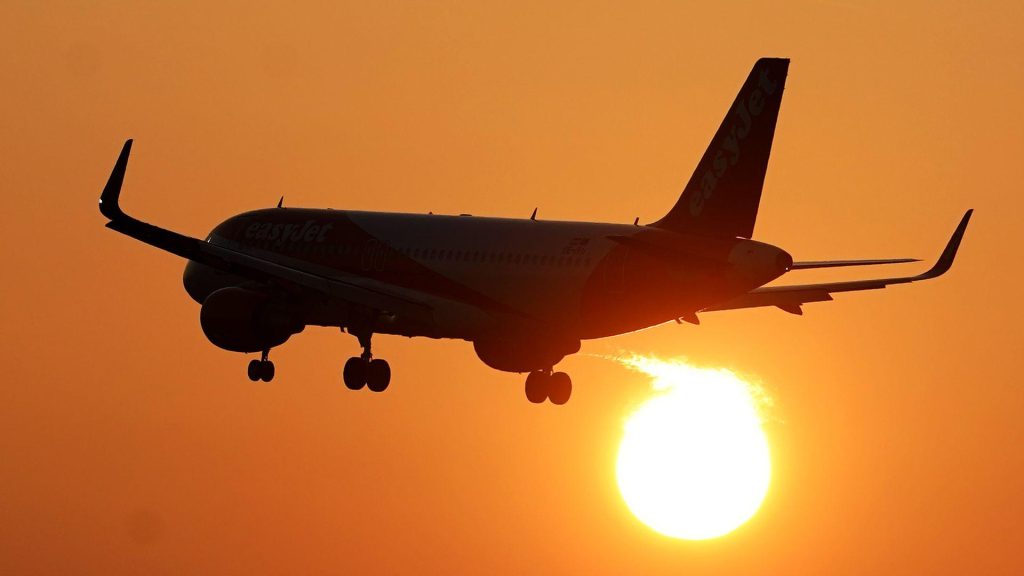
massive flight disruptions trigger:
The United States aviation system is experiencing significant operational disruption, with major airlines reporting widespread flight cancellations and delays across key domestic hubs.
Thousands of passengers have been affected as cascading scheduling failures, staffing constraints, and airport congestion intensify travel chaos nationwide.
Aviation System Under Pressure as Disruptions Spread Across the US
The United States air travel network is facing renewed operational strain as widespread flight cancellations and delays ripple through major airports, leaving thousands of passengers stranded or forced to rework travel plans at short notice.
According to aviation tracking data cited in recent industry reports, airlines including American Airlines, Delta Air Lines, United Airlines, and several regional carriers have collectively reported more than 100 flight cancellations and over 3,000 delays during peak disruption periods in recent days. The scale of the interruptions has placed additional pressure on already congested airport systems across the country.
The disruptions have affected key aviation hubs including Atlanta, Dallas-Fort Worth, Newark, Chicago O’Hare, Los Angeles, and Boston—airports that collectively handle a significant share of US domestic and international passenger traffic.
While no single cause has been officially identified as the sole trigger, industry analysts point to a combination of operational bottlenecks, staffing limitations, air traffic control constraints, and fluctuating weather conditions contributing to the instability in the system.
Mass Cancellations and Delays Impact Major Airlines
Major US carriers have been at the center of the disruption wave, with operational breakdowns leading to cascading delays across interconnected flight networks.
American Airlines, one of the largest operators in the country, has reportedly experienced some of the highest delay counts during peak disruption windows. Delta Air Lines and United Airlines have also faced significant schedule instability, particularly on high-frequency domestic routes connecting major hubs.
Regional carriers operating feeder routes into larger airports have amplified the issue, as delays in smaller airports create knock-on effects throughout national flight schedules.
When one aircraft or crew is delayed at a major hub, it often affects multiple subsequent routes throughout the day, leading to a chain reaction of cancellations and missed connections across the system.
Airports Hit Hard by Operational Breakdown
The disruption has not been evenly distributed. Some airports have been disproportionately affected due to their high traffic density and role as connecting hubs.
Dallas-Fort Worth International Airport (DFW)
DFW has reported some of the highest delay volumes, reflecting its role as a central American Airlines hub. Even minor operational disruptions at DFW tend to cascade across hundreds of connecting flights.
Hartsfield-Jackson Atlanta International Airport (ATL)
As one of the world’s busiest airports, Atlanta has experienced recurring congestion issues, with delays compounding due to tight scheduling windows and heavy passenger throughput.
Newark Liberty International Airport (EWR)
Newark has been particularly vulnerable to airspace congestion in the New York metro region, leading to frequent ground delays and slot restrictions.
Chicago O’Hare International Airport (ORD)
O’Hare continues to face challenges linked to weather variability and heavy international traffic loads, contributing to ongoing delays.
Los Angeles International Airport (LAX)
LAX disruptions have been tied to both runway congestion and increasing international demand, particularly on transpacific routes.
Why Flight Cancellations and Delays Are Increasing
1. Air Traffic Congestion
US airspace remains one of the most heavily utilized aviation corridors in the world. With thousands of daily flights, even minor disruptions can quickly escalate into widespread delays.
2. Crew and Staffing Constraints
Airlines continue to face logistical challenges related to pilot availability, cabin crew scheduling, and maintenance staffing. When crews exceed legal duty time limits, flights must be delayed or reassigned.
3. Aircraft Positioning Imbalances
Aircraft and crew are often not located where they are needed due to prior delays. This mismatch creates a domino effect across multiple routes.
4. Weather Volatility
Seasonal weather patterns—including storms, fog, and high winds—frequently disrupt major hubs and lead to cascading schedule adjustments.
5. Airport Capacity Constraints
Many major airports are operating near maximum capacity during peak hours, leaving little buffer to absorb unexpected delays.
Passengers Caught in the Middle of Systemic Disruptions
For travelers, the operational breakdown translates into long waits, missed connections, and unpredictable schedule changes.
Passengers have reported:
- Multiple repeated delay notifications
- Overnight airport stays due to missed connections
- Difficulty securing rebooking on alternative flights
- Increased ticket prices for last-minute replacements
Travel experts note that the most significant issue is not isolated cancellations, but the ripple effect across entire airline networks. A single delayed aircraft can affect dozens of subsequent flights over a 24–48 hour cycle.
Airline Industry Response and Operational Adjustments
Airlines have begun implementing contingency measures to stabilize schedules, including:
- Reallocating aircraft between hubs
- Adjusting flight frequencies on high-risk routes
- Offering rebooking flexibility for affected passengers
- Increasing reserve crew availability at major airports
However, industry analysts suggest that these measures provide only short-term relief and do not fully address structural constraints within the system.
Air traffic coordination agencies are also monitoring congestion levels and adjusting flight spacing in real time to reduce runway pressure at high-volume airports.
Broader Implications for US Air Travel
The current wave of disruptions highlights broader vulnerabilities in the US aviation system, particularly its dependence on tightly optimized scheduling networks.
Even small inefficiencies can produce large-scale ripple effects due to:
- High aircraft utilization rates
- Limited spare aircraft availability
- Interconnected hub-and-spoke routing models
Experts warn that without structural improvements in scheduling flexibility and staffing resilience, similar disruptions are likely to recur during peak travel seasons.
Economic and Tourism Impact
Flight disruptions have broader economic implications beyond passenger inconvenience.
Key impacts include:
- Losses for airlines due to compensation and operational inefficiencies
- Increased costs for travelers due to rerouting and accommodation
- Reduced efficiency in business travel schedules
- Pressure on airport infrastructure and ground services
Tourism-dependent cities also face indirect losses when incoming flights are delayed or cancelled, reducing hotel occupancy and local spending.
Expert View: What This Means for Future Air Travel Stability
Aviation analysts suggest the current situation reflects a system operating at near-maximum efficiency with minimal redundancy.
While this allows airlines to maintain profitability and high utilization rates, it also reduces the system’s ability to absorb shocks such as weather disruptions, technical issues, or staffing shortages.
Without additional buffers—such as reserve aircraft capacity, expanded staffing, or revised scheduling models—future disruptions may continue to escalate rapidly from localized issues into nationwide delays.
A Fragile Aviation Network Under Strain
The ongoing wave of flight cancellations and delays across the United States underscores the fragility of a tightly interconnected aviation system operating under increasing demand pressures.
While airlines and airports continue to deploy operational fixes, the broader challenge remains systemic: ensuring resilience in a network where even minor disruptions can quickly escalate into nationwide travel chaos.
For now, passengers are advised to closely monitor flight schedules, prepare for potential delays, and plan additional buffer time when traveling through major US hubs.
This disruption pattern reflects a structural characteristic of modern aviation systems: extreme optimization at the cost of resilience. US airlines operate on high aircraft utilization models where efficiency is prioritized over idle capacity, meaning that when disruptions occur—whether due to weather, staffing, or air traffic congestion—they propagate rapidly through interconnected networks. The increasing frequency of multi-airport delay clusters suggests that aviation stability is becoming less dependent on isolated incidents and more on systemic load balancing limits. Without increased redundancy in aircraft availability, crew scheduling flexibility, or air traffic infrastructure modernization, the system is likely to remain vulnerable to recurring large-scale disruption events rather than isolated operational hiccups.