 Pakistan Sends Troops to Saudi Arabia for Defense Amid War With Houthis
 Spain’s general elections approach with centre‑right gains.
 SpaceX Falcon 9 rocket launching private Cygnus XL cargo craft to the ISS today: Watch it live
 CM Chandrababu Naidu asks NDA MPs from Andhra to reach Delhi for key Bills
 Record Gold Prices Are Fueling Deadly Disease Outbreaks
Pakistan Sends Troops to Saudi Arabia for Defense Amid War With Houthis
**
Pakistan Sends Troops to Saudi Arabia for Defense Amid War With Houthis - AI News Breaking
pakistan sends troops saudi:
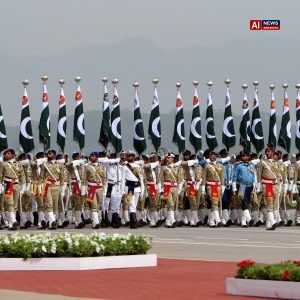
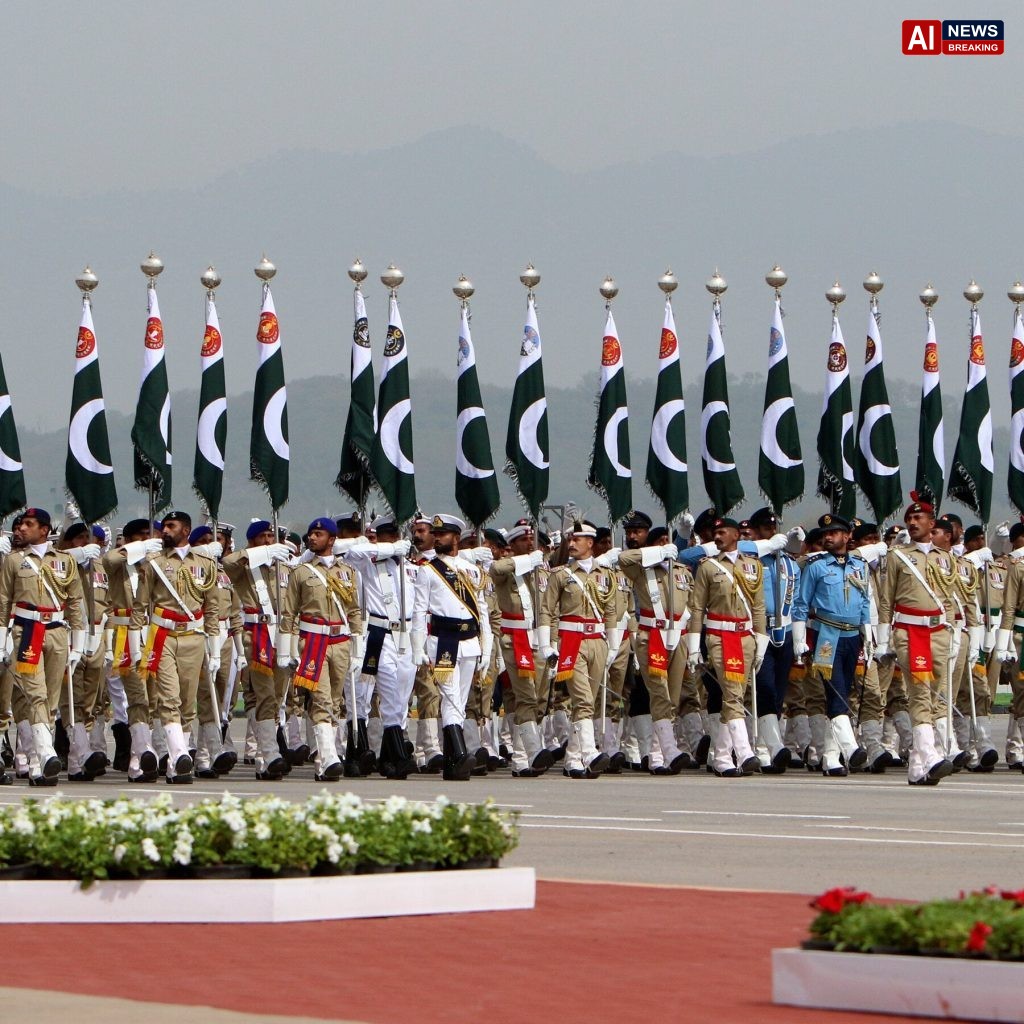
Saudi Arabia has deployed a contingent of Pakistani soldiers to its borders in a bid to bolster its defences as the kingdom confronts an escalating conflict with the Houthi movement in Yemen. The decision, announced by Saudi officials on Monday, marks the most visible instance of foreign military assistance for the kingdom since the war in Yemen began in 2015, and it reflects the growing concern in Riyadh over the ability of the Houthi militia, backed by Iran, to strike deep into Saudi territory with increasingly sophisticated weaponry.The Pakistani deployment comes after weeks of intensified Houthi missile and drone attacks that have targeted Saudi oil facilities, critical infrastructure and civilian areas in the southern Red Sea region. In the past month, the Houthis have claimed responsibility for three successful strikes on Saudi oil tankers in the Gulf of Aden, as well as a series of drone incursions that forced the kingdom’s air defences to scramble on multiple occasions..
While Saudi forces have managed to intercept many of these threats, the frequency and accuracy of the attacks have raised alarm bells within the Saudi military establishment and among its civilian leadership.In a televised address, Crown Prince Mohammed bin Salman outlined the strategic rationale for inviting Pakistani troops onto Saudi soil. He described the arrangement as a “mutual defence partnership” that would see a small, highly trained Pakistani infantry brigade stationed near the border with Yemen, ready to respond to any incursions or infiltration attempts. The Crown Prince emphasized that the presence of Pakistani forces would free up Saudi units to concentrate on air and naval operations, thereby enhancing the kingdom’s overall defensive posture..
He also highlighted the long‑standing historic ties between the two nations, noting that Pakistan has consistently stood by Saudi Arabia in regional security matters.Pakistan’s Ministry of Defence confirmed the deployment, stating that the Pakistani troops would operate under a joint command structure with Saudi forces and would be equipped primarily with light infantry weapons, surveillance equipment and communication systems. The Pakistani contingent, consisting of approximately 1,200 soldiers drawn from the army’s elite 6th Armoured Division and the Special Service Group, will be stationed at the Al‑Ula base, a strategic location that offers rapid access to the Saudi‑Yemen frontier. Pakistani officials said the troops would be on a rotation basis, with the initial deployment lasting six months, after which the arrangement would be reviewed in consultation with Saudi authorities.The move has drawn varied reactions across the region..
Iran, which provides political and material support to the Houthis, condemned the deployment as an “act of aggression” and a “clear escalation” in the already volatile conflict. Iranian state media portrayed the Pakistani presence as evidence of a broader “Western‑led coalition” attempting to encircle Tehran and its allies. Meanwhile, the United Arab Emirates, a key Saudi ally in the Yemen war, welcomed the development, describing it as “a constructive step towards stabilising the southern border and protecting the lives of civilians in the region.” The United States, which maintains a strategic partnership with both Riyadh and Islamabad, issued a brief statement affirming its support for “regional security and the legitimate right of Saudi Arabia to defend its territory.”Analysts note that the Pakistani deployment is part of a larger trend of regional powers seeking to reinforce each other’s military capacities amid the growing threat posed by the Houthis..
Since 2022, the Houthis have expanded their missile and drone programmes, acquiring longer‑range ballistic missiles that can reach deep into Saudi Arabia, as well as sea‑borne drones capable of striking oil tankers in the Red Sea. The group’s tactics have evolved from guerrilla warfare to a more conventional, hybrid approach, blending asymmetric attacks with conventional artillery and missile strikes. This evolution has forced Saudi Arabia to reconsider its defensive strategy, moving beyond reliance on its sophisticated Patriot and THAAD air‑defence systems to include ground‑based infantry and surveillance units capable of counter‑insurgency operations.The deployment also carries implications for Pakistan’s own security calculus..
Islamabad has long balanced its ties to Saudi Arabia with its relationships with Iran and the broader Muslim world. By sending troops to support Saudi defence, Pakistan risks further complicating its diplomatic engagements with Tehran, especially as Iran seeks to expand its influence in the Persian Gulf and the Indian Ocean. However, Pakistani officials argue that the deployment is consistent with the country’s long‑standing policy of supporting allied nations in times of crisis, and that the troops will be under strict rules of engagement that limit their involvement to defensive operations on Saudi soil.In Riyadh, the deployment has been met with a cautious optimism among the public and the security apparatus..
A senior Saudi defence official, speaking on condition of anonymity, said that the presence of Pakistani soldiers “adds a crucial layer of depth to our defensive arrangements” and that the troops’ experience in counter‑insurgency, gained through operations in the tribal areas along Pakistan’s own western border, would be invaluable in confronting Houthi infiltrations. The official also hinted that additional foreign assistance, possibly from other Gulf Cooperation Council members or Western allies, could be considered if the security situation deteriorates further.Humanitarian concerns remain a prominent feature of the broader conflict, with United Nations agencies warning that the fighting in Yemen continues to cause widespread civilian suffering. The deployment of foreign troops, while aimed at protecting Saudi territory, could also alter the dynamics of the conflict and affect negotiations aimed at achieving a ceasefire..
The UN Special Envoy for Yemen, Martin Griffiths, urged all parties to “prioritise dialogue over military escalation” and warned that an increase in foreign military presence could complicate peace efforts and risk drawing more external actors into a war that has already claimed over 300,000 lives.The Saudi government has reiterated its commitment to a political solution for Yemen, stating that military actions are being taken “to create the conditions necessary for a negotiated settlement.” Yet, the reinforcement of its borders with Pakistani forces signals a shift towards a more robust defensive stance, acknowledging that the Houthis have demonstrated an ability to penetrate deep into Saudi territory despite extensive air‑defence measures. This development may also influence the kingdom’s broader strategic calculus, including its ongoing efforts to diversify its economy away from oil and to position itself as a stable hub for trade and tourism in the region.International observers are watching closely to see how the Pakistani deployment will affect the balance of power in the Red Sea corridor, a vital artery for global oil shipments. Shipping companies have already reported a temporary decline in vessel traffic due to heightened security concerns, and insurers have raised premiums for cargoes passing through the area..
If the Pakistani troops succeed in deterring further Houthi attacks, it could restore some confidence among commercial operators and stabilise a key segment of the world’s energy supply chain.In the coming weeks,.
Saudi Arabia has stationed about 1,200 Pakistani troops near its Yemen border to bolster ground defenses against escalating Houthi missile and drone strikes, freeing Saudi forces for air and naval operations. The move, welcomed by regional allies but condemned by Iran, marks the kingdom’s most visible foreign military aid since the Yemen war began and underscores a shift toward a more robust, joint‑defence posture.
Pakistan’s boots on Saudi soil turn a largely aerial, proxy‑war into a tangible ground contest, forcing the Houthis to recalibrate tactics and signaling a new willingness among Gulf states to invite regional partners into direct combat.
The move also tightens Islamabad’s diplomatic knot with Tehran, foreshadowing a spill‑over of the Yemen stalemate into broader Saudi‑Iran‑Pakistan rivalries that could reshape Red Sea security and global energy flows.