A Critic of Beijing Falls Short in Taiwan’s Key Mayoral Election
 EPA says no rise in contamination after Army detonates lead azide stockpile in Iowa
 Israeli Strike Kills 2 Workers at Gaza Clinic, Doctors Without Borders Says
 McQueen Pre-Fall 2027
 Mushfiqur Rahim to retire from Test cricket in February 2027
Princess Kate’s Cancer Documentary ‘Heal’: 3 Takeaways
**
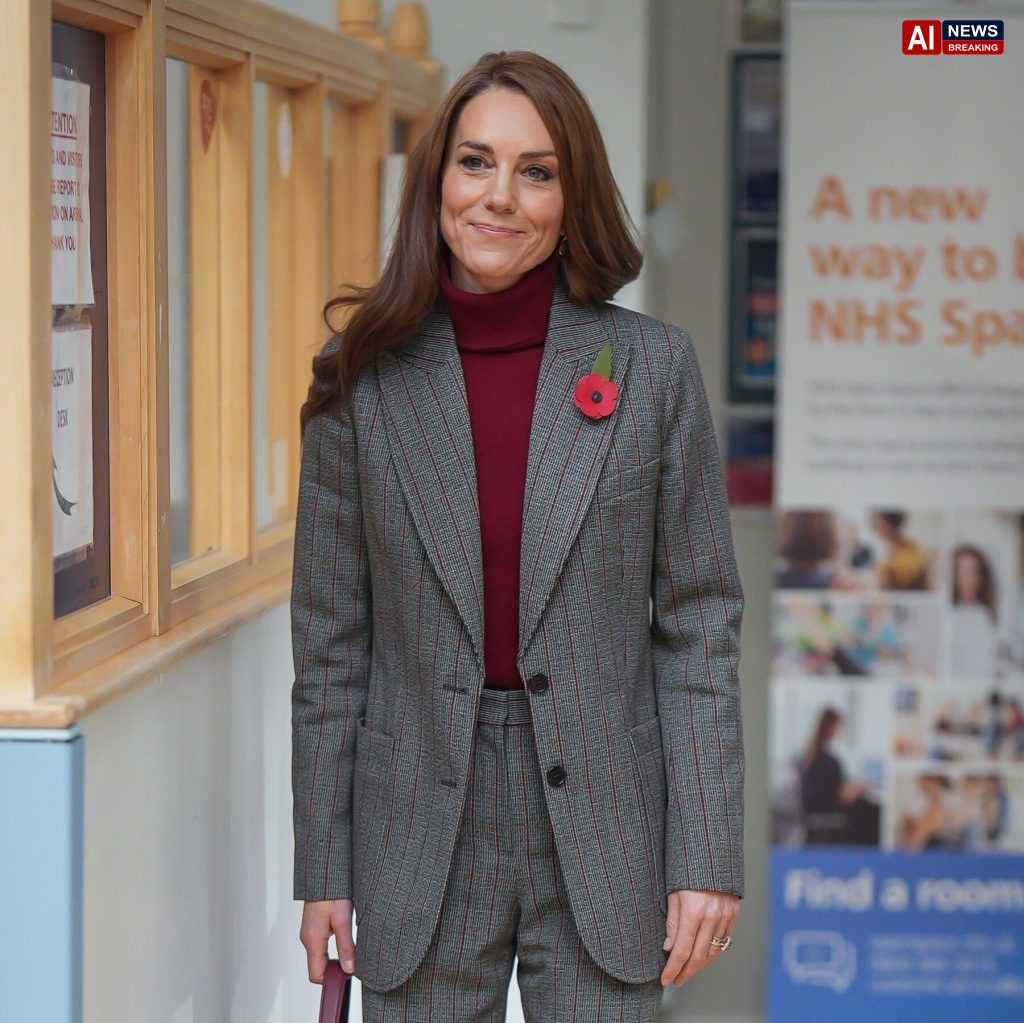
Princess Kate’s Cancer Documentary ‘Heal’: 3 Takeaways - AI News Breaking
princess kates cancer documentary:
The 30‑minute documentary Heal, released this week by the royal communications office, provides a rare, authorised glimpse into the life of Princess Catherine, Duchess of Cambridge, since her public disclosure of a cancer diagnosis in early 2024. Framed as a personal narrative rather than a medical exposé, the film follows her through hospital appointments, family moments and public engagements, interspersing candid reflections with commentary from oncologists and counsellors. While the royal family has traditionally guarded its private affairs, the decision to authorise a film of this scope signals a shift towards greater transparency, inviting viewers to witness both the physical and emotional contours of the Duchess’s journey..
The documentary’s production values, combined with its intimate access, position it as a noteworthy contribution to public discourse on cancer awareness in the United Kingdom.One of the most striking elements of Heal is its emphasis on early detection. The film opens with a reconstruction of the routine health check that led to the identification of a small, asymptomatic tumour in the Duchess’s breast. Medical experts explain, in lay terms, the importance of regular screening and the role of mammography in catching malignancies at a stage when treatment success rates are highest..
By foregrounding this moment, the documentary aligns the Duchess’s experience with the broader public health message that early diagnosis saves lives, a point reinforced by statistics from Cancer Research UK showing a 90 percent five‑year survival rate for stage‑I breast cancer. The narrative therefore serves both a personal and an educational function, encouraging viewers to schedule their own screenings.The second major takeaway concerns the multidisciplinary nature of modern oncology care. Throughout the film, the Duchess is shown consulting with a team that includes a surgical oncologist, a radiation therapist, a genetic counsellor and a mental‑health specialist..
Each professional explains their specific role, from assessing tumour genetics to managing side‑effects of chemotherapy. This portrayal demystifies the often‑fragmented perception of cancer treatment, illustrating how coordinated care can improve outcomes and quality of life. By spotlighting the collaborative approach, Heal subtly advocates for systemic investment in integrated cancer services, echoing recent NHS policy discussions about expanding multidisciplinary tumour boards across regional hospitals.A further theme woven through the documentary is the psychological impact of a high‑profile diagnosis..
The Duchess speaks openly about the pressure of public scrutiny, describing moments when media speculation amplified her anxiety. She credits a therapist for helping her develop coping mechanisms, such as mindfulness and structured breathing, which she now shares with her children during family outings. The film’s candid treatment of mental health challenges underscores a growing recognition that survivorship extends beyond physical remission..
In doing so, Heal contributes to a broader societal shift towards normalising conversations about the emotional toll of serious illness, particularly among public figures whose experiences can shape public attitudes.The narrative also touches on the role of family support in the recovery process. Scenes of the Duchess’s husband, Prince William, and their three children at home reveal a dynamic of mutual encouragement and shared resilience. The film captures a quiet evening when the family gathers around a board game, with William narrating how they adapt daily routines to accommodate treatment schedules..
This domestic portrayal humanises the royal household, presenting them as a unit navigating the same uncertainties that many families face when a loved one battles cancer. It reinforces the message that a stable, supportive environment can be a vital component of therapeutic success.From a broader cultural perspective, Heal marks a notable departure from the monarchy’s historical reticence regarding personal health matters. Previously, royal health updates were limited to brief statements and occasional photographs, leaving the public to speculate..
By granting unprecedented access to private consultations and personal reflections, the Duchess’s team signals an intention to use her experience as a platform for public health advocacy. The documentary’s release coincides with the launch of a national breast‑cancer awareness campaign, suggesting a coordinated effort to harness the royal brand for charitable impact. This strategic alignment may influence how future members of the royal family approach health disclosures.The film also about the balance between privacy and public interest..
While many viewers applaud the transparency, some commentators argue that the highly curated nature of Heal risks presenting an idealised recovery narrative that may not reflect the varied experiences of ordinary patients. Critics note that the Duchess’s access to top‑tier medical facilities, private physiotherapy and a personal support team is not representative of the average NHS patient’s journey. The documentary does acknowledge these disparities, with a brief segment urging viewers to support NHS funding and volunteer programmes that aim to close the gap..
This self‑reflexive element attempts to pre‑empt accusations of elitism.In terms of production, the documentary employs a restrained aesthetic, favouring natural lighting and minimal narration to let the Duchess’s own voice drive the story. The cinematography alternates between clinical settings—bright, sterile corridors of the Royal Marsden Hospital—and intimate domestic scenes bathed in warm, diffused light. This visual contrast reinforces the duality of the Duchess’s life: the public role of a senior royal juxtaposed with the private reality of a patient navigating vulnerability..
The editing rhythm is deliberately measured, allowing moments of silence to linger, thereby inviting viewers to contemplate the gravity of the subject matter without sensationalist pacing.The medical information presented in Heal adheres closely to current UK clinical guidelines. When discussing treatment options, the film references the NHS Breast Screening Programme’s recommendation of a 3‑monthly mammogram follow‑up for high‑risk patients and outlines the decision‑making process that led to a lumpectomy combined with targeted radiotherapy. The oncology team clarifies why hormonal therapy was prescribed, citing its efficacy in reducing recurrence risk for estrogen‑receptor‑positive tumours..
By grounding the Duchess’s clinical pathway in evidence‑based practice, the documentary serves as a credible educational resource that could be utilised by health educators and patient support groups.Audience reception to the documentary has been largely positive, with social‑media analytics indicating a surge in searches for “breast cancer symptoms” and “NHS screening appointments” in the week following the broadcast. Early surveys suggest that viewers felt more empowered to discuss health concerns with their general practitioners after watching Heal. Health charities have reported increased donations, attributing the uptick partly to the emotional resonance of the Duchess’s story..
This measurable impact demonstrates the potential of high‑profile narratives to drive public‑health behaviour change, reinforcing the value of strategic storytelling in medical outreach.Ultimately, Heal functions on multiple levels: it is a personal testament to the Duchess’s resilience, a public health instrument designed to promote early detection and integrated care, and a cultural artifact reflecting evolving expectations of royal transparency. While it inevitably presents a recovery narrative that benefits.
Updated: November 27, 2026
Princess Catherine’s decision to turn her private battle into a public documentary redefines royal duty as a form of health advocacy, using personal vulnerability to legitimize early‑screening messages that might otherwise be ignored.
At the same time, the film’s polished portrayal of elite care risks widening the empathy gap,