Europe warns of Russia’s hybrid attacks but struggles to counter them
  Former chief election commissioner calls SIR scheme illegal.
  A Corruption Scandal Is Reshaping Brazil’s Presidential Election
  US citizen injured in Illinois after ICE agents mistook him for fugitive, tried to arrest him
  At 10 years old, Smithsonian’s Black museum is undaunted amid pressure from Trump administration
 Trump Declares US-Iran Ceasefire ‘Over’ After Fresh Strikes, Raising Fears of Wider Middle East Conflict
The fragile US-Iran ceasefire has suffered a major setback after President Trump declared the truce “over” following a new wave of US strikes on Iranian military targets, escalating tensions in the region and raising fears of a broader conflict.
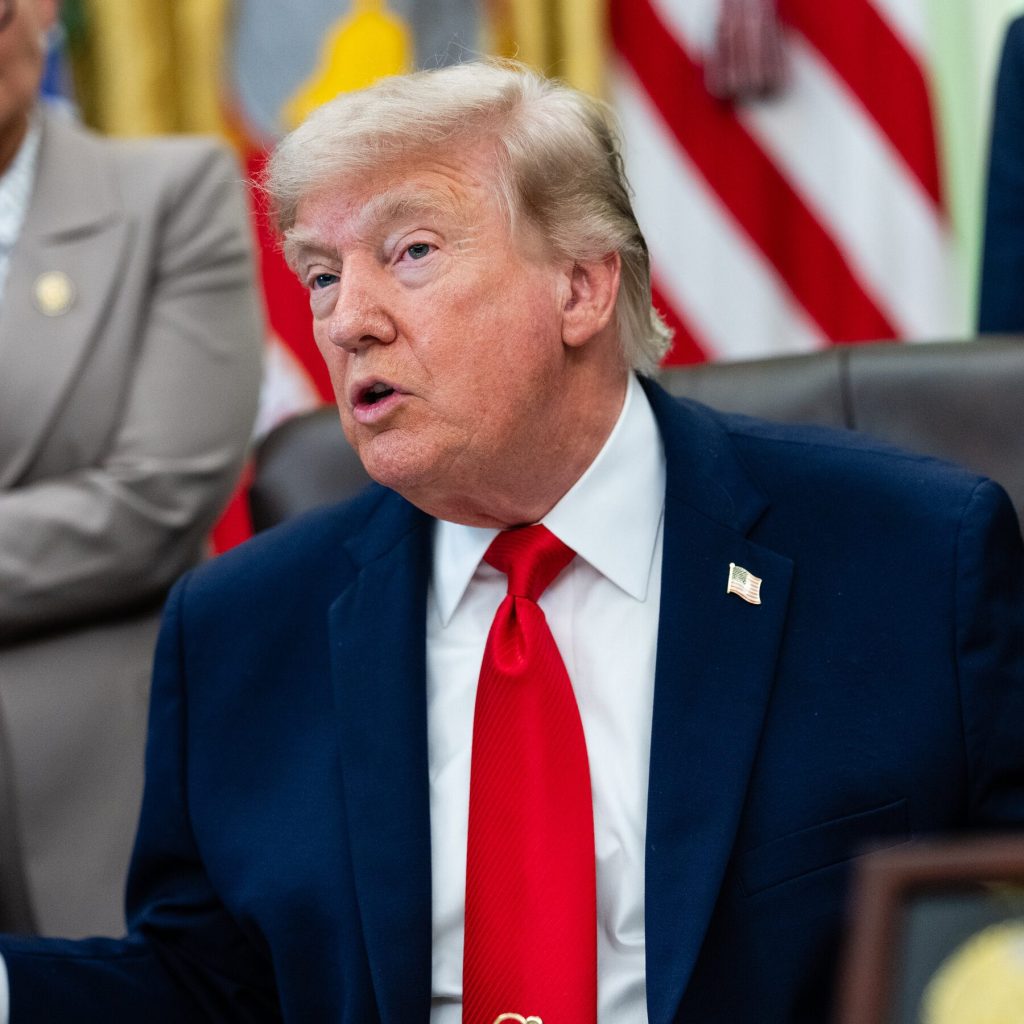
US agrees to Iran talks - AI News Breaking
trump declares usiran ceasefire:
The fragile ceasefire between the United States and Iran has suffered a major setback after President Donald Trump declared the truce “over” following a new wave of U.S. strikes on Iranian military targets. The escalation comes amid renewed tensions in the Strait of Hormuz, fresh sanctions on Iranian oil exports, and growing concerns over regional stability, global energy supplies, and diplomatic efforts.
The already fragile ceasefire between the United States and Iran appears to have collapsed after U.S. President Donald Trump declared that the truce was “over” following a new round of American military strikes against Iranian targets. The announcement marks one of the most significant escalations in the months-long conflict and has intensified fears of a broader regional confrontation in the Middle East.
Trump’s remarks came after the U.S. military launched coordinated attacks on more than 80 locations across Iran, targeting air-defense systems, command-and-control facilities, coastal radar installations, anti-ship missile sites, and vessels linked to Iran’s Islamic Revolutionary Guard Corps (IRGC). According to U.S. Central Command, the strikes were conducted in response to Iranian attacks on commercial shipping in the Strait of Hormuz, one of the world’s most strategically important maritime trade routes.
The latest developments effectively end weeks of uncertain diplomacy that had sought to prevent the conflict from expanding further after repeated violations of an earlier ceasefire agreement.
Trump Declares the Ceasefire Has Ended: Speaking after the latest military operation, President Trump said he considered the ceasefire to be finished, arguing that Iran’s recent actions had made the agreement unsustainable. While indicating that negotiations could continue in principle, he expressed skepticism about whether diplomacy could succeed under the current circumstances.
The remarks represent a sharp shift from previous statements in which the White House had maintained that the ceasefire, despite repeated incidents, technically remained in effect.
Trump’s latest comments are likely to influence not only military planning but also diplomatic efforts involving regional partners and international mediators.
Massive U.S. Military Response: According to U.S. Central Command, American forces carried out one of the largest coordinated strike packages since the conflict began earlier this year.
Targets reportedly included:
- Iranian air-defense systems
- Military command-and-control centers
- Coastal radar installations
- Anti-ship missile batteries
- Revolutionary Guard naval facilities
- More than 60 IRGC fast attack boats operating near the Strait of Hormuz
The Pentagon said the objective was to reduce Iran’s ability to threaten international shipping and regional security following attacks on commercial vessels.
Why the Strait of Hormuz Matters: The immediate trigger for the latest escalation was a series of attacks on commercial tankers transiting the Strait of Hormuz.
The narrow waterway connects the Persian Gulf to global markets and handles roughly one-fifth of the world’s seaborne oil trade. Any disruption to shipping through the strait can quickly affect international energy markets, insurance costs, and supply chains.
Washington accused Tehran of violating the ceasefire by targeting commercial shipping, while Iran has rejected U.S. accusations and condemned the strikes as an act of aggression.
Iran Promises Retaliation: Iranian military officials vowed that the country would respond to the U.S. attacks, describing the strikes as a violation of its sovereignty.
Iranian authorities warned that continued American military operations could further destabilize the region and insisted that Tehran would defend its territorial integrity and maritime interests.
State media also reported casualties and damage following the attacks, although independent verification remained limited.
Washington Tightens Economic Pressure: Alongside the military operation, the Trump administration revoked a waiver that had allowed limited Iranian oil sales under earlier ceasefire arrangements.
The move restores tighter economic pressure on Tehran and removes one of the principal incentives that had encouraged Iran to participate in negotiations.
Analysts say the combined military and economic measures indicate Washington is pursuing a strategy of increasing pressure while leaving open only a narrow path for renewed talks.
Diplomatic Efforts Face New Uncertainty: Prior to the latest strikes, mediators had hoped to restart negotiations following a period of mourning in Iran after the death of Supreme Leader Ayatollah Ali Khamenei.
Those diplomatic efforts are now in serious doubt.
Although President Trump suggested that negotiations remain possible, the renewed military confrontation significantly reduces the likelihood of an immediate breakthrough.
Regional governments, including Gulf states, are expected to intensify diplomatic engagement in an attempt to prevent further escalation.
Impact on Global Oil Markets: The renewed conflict immediately affected financial markets.
Oil Prices rose as investors assessed the risk of disruptions in the Strait of Hormuz, while stock futures weakened amid growing geopolitical uncertainty. Energy traders are closely monitoring shipping activity, military deployments, and any indication that commercial traffic through the waterway could be interrupted.
For major energy-importing nations such as India, Japan, South Korea, and many European countries, prolonged instability in the Gulf could translate into higher import costs, inflationary pressures, and increased transportation expenses.
Regional Security Concerns Intensify
The collapse of the ceasefire raises concerns across the Middle East.
Security analysts warn that further escalation could increase the risk of:
- Missile exchanges between U.S. and Iranian forces.
- Attacks on military bases hosting American personnel.
- Disruptions to maritime trade routes.
- Greater involvement by regional allies and proxy groups.
- Increased cyber operations targeting critical infrastructure.
The United States has already strengthened its military posture in the region, while Gulf states are increasing vigilance around strategic energy facilities.
What This Means for India
India has significant strategic interests in the Gulf.
A large share of India’s crude oil imports passes through the Strait of Hormuz, and millions of Indian nationals live and work across the Gulf region.
Any prolonged military confrontation could have several implications:
- Higher crude oil prices.
- Increased shipping and insurance costs.
- Pressure on domestic fuel prices.
- Risks to Indian expatriates in the region.
- Potential disruptions to trade with Gulf economies.
New Delhi is expected to continue advocating restraint while monitoring developments closely.
International Reaction: Governments worldwide are likely to urge both Washington and Tehran to avoid a broader conflict.
The United Nations and several European countries have consistently called for renewed dialogue, warning that further military escalation could undermine regional stability and threaten global economic recovery.
Many international observers believe that preserving freedom of navigation in the Strait of Hormuz remains a shared priority despite deep political disagreements.
The latest collapse of the U.S.-Iran ceasefire underscores the fragile nature of conflict management in the Middle East, where military actions, economic sanctions, and geopolitical competition are deeply interconnected. While targeted strikes may achieve immediate tactical objectives, they also increase the risk of retaliation and prolonged instability. For the global economy, the greatest concern remains the security of the Strait of Hormuz, a vital energy corridor whose disruption could have worldwide consequences. A durable resolution will likely require sustained diplomacy, credible security guarantees, and international cooperation to balance deterrence with de-escalation.